
Understanding the Safety of Aluminum Foil in Cooking

Does Aluminum Foil Pose a Cancer Risk?
The question of whether aluminum foil can lead to cancer often arises during discussions about food safety. This kitchen staple is commonly used for wrapping leftovers, baking, and grilling. Fortunately, experts reassure us that there is no current scientific evidence linking aluminum foil to cancer when used in typical household settings. However, the method of usage can affect the amount of aluminum that may leach into food. By adopting safe cooking practices, you can minimize unnecessary exposure while ensuring your meals remain safe.
Is Aluminum Foil Safe for Everyday Use?
For the majority of individuals, using aluminum foil in the kitchen is considered safe. Activities like wrapping sandwiches, covering baking trays, or storing dry foods for short periods do not typically raise health concerns. However, issues may arise when aluminum foil interacts with acidic or salty foods, especially during high-temperature cooking. In such cases, small quantities of aluminum can seep into the food. While these amounts are generally below harmful levels for healthy individuals, experts advise minimizing repeated exposure when possible.
Additionally, it is crucial to avoid using aluminum foil in microwaves unless explicitly stated safe by the manufacturer, as it can spark and potentially damage the appliance or cause a fire.
When Does Aluminum Transfer to Food?
Research indicates that aluminum transfer can increase under specific cooking conditions, such as:
- Cooking with acidic ingredients like tomatoes, lemons, or vinegar.
- Preparing high-salt foods.
- Baking or grilling at elevated temperatures.
- Wrapping hot acidic foods immediately after cooking.
Examples include:
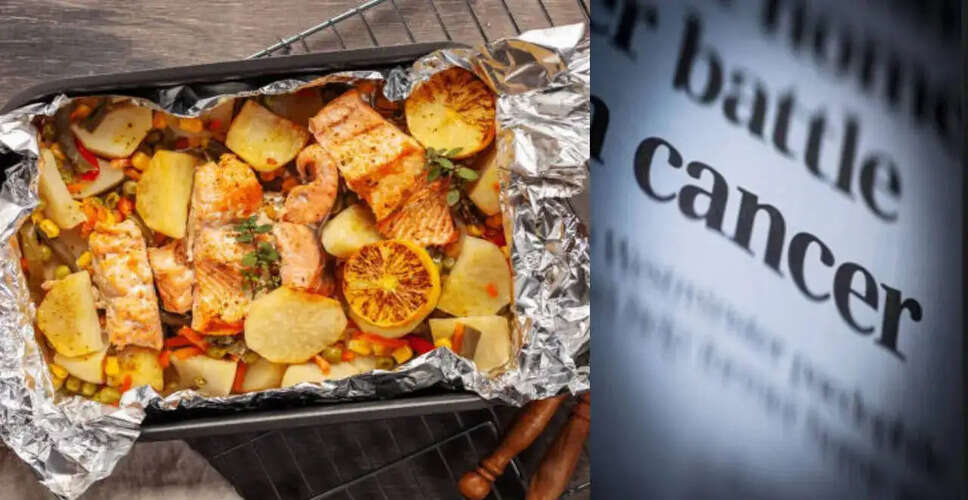
- Fish baked with lemon in aluminum foil.
- Hot tomato-based dishes wrapped in foil.
- Storing pickles or vinegar-rich foods in foil.
Doctors note that these scenarios can lead to greater aluminum migration compared to wrapping neutral or dry foods.
Safe Practices for Using Aluminum Foil
To reduce aluminum exposure, experts suggest several precautions: avoid direct contact between aluminum foil and acidic or salty foods, use parchment paper as a barrier during baking, and opt for glass or ceramic containers for storing leftovers instead of foil whenever feasible. Additionally, replace damaged or heavily wrinkled foil rather than reusing it, and avoid long-term storage of food in aluminum foil.
Aluminum Foil Dos and Don'ts
Do:
- Wrap dry foods like sandwiches and baked snacks.
- Use foil occasionally for baking and grilling.
- Store cold, non-acidic foods for short periods.
- Utilize parchment paper between acidic foods and foil.
Don't:
- Cook acidic dishes like tomato or lemon-based meals directly in aluminum foil.
- Store acidic or salty leftovers in foil for extended periods.
- Reuse torn or damaged foil.
- Place aluminum foil in a microwave unless approved by the manufacturer.
Does Aluminum Foil Increase Cancer Risk?
Despite ongoing myths circulating online, there is no scientific backing to suggest that aluminum foil contributes to cancer when used correctly in everyday cooking. Major organizations, including the World Health Organization and various food safety authorities, have not established a direct connection between normal aluminum foil usage and cancers such as colon, stomach, liver, or breast cancer. The primary concern lies with aluminum migration into food rather than cancer itself. Studies show that occasional exposure from household foil remains significantly below levels deemed harmful for most healthy adults.
Who Should Exercise Caution?
While aluminum foil is generally safe for the public, certain individuals should take extra precautions. This includes those with chronic kidney disease, who may struggle to eliminate excess aluminum, and infants, whose exposure should be minimized. Additionally, individuals undergoing dialysis should be cautious, as their aluminum exposure is more often linked to medications or dialysis water rather than food foil. When used appropriately, aluminum foil is a convenient and safe kitchen tool. The best practice is to avoid cooking or storing highly acidic or salty foods in foil, especially at high temperatures or for prolonged periods.