
Understanding the Risks of Sudden Cardiac Arrest During Exercise

Tragic Incident Raises Awareness
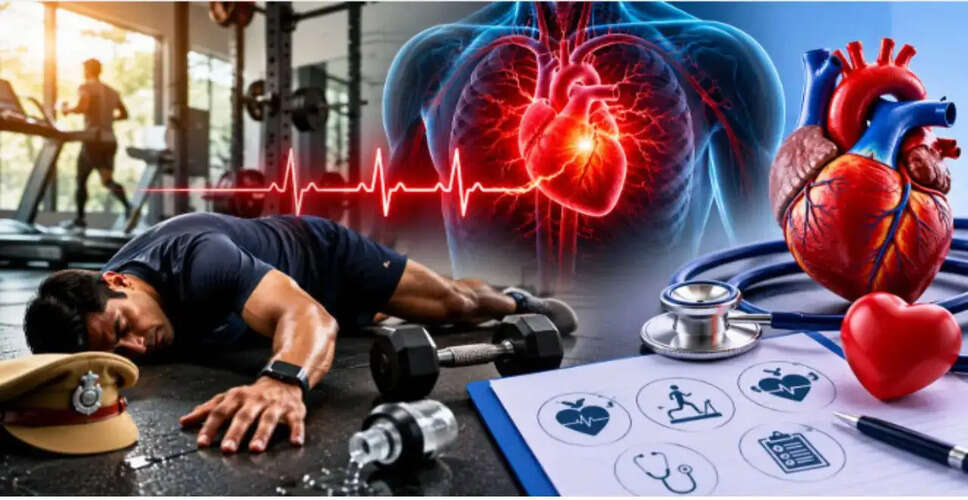
The unfortunate passing of a 38-year-old officer from the Uttarakhand Special Operations Group while working out has reignited discussions about the dangers of sudden cardiac arrest during physical activity. While engaging in regular exercise is crucial for heart health, experts warn that intense workouts can sometimes reveal undiagnosed heart issues that have been present for years. Medical professionals emphasize that exercise itself rarely causes heart disease; rather, it often highlights pre-existing conditions that many, particularly younger individuals, may overlook. It is essential for individuals to be aware of warning signs and to understand that fitness should be developed gradually rather than through abrupt efforts.
The Importance of Recognizing Hidden Heart Conditions
Why Hidden Heart Conditions Matter
Many individuals mistakenly believe that youth or physical fitness guarantees a healthy heart. However, silent cardiovascular diseases can progress without any obvious symptoms. Sudden cardiac arrest (SCA) occurs when the heart's electrical system fails, leading to ineffective blood circulation. Without immediate CPR and defibrillation, SCA can be fatal within minutes. This condition is distinct from a heart attack, which results from blocked blood flow to the heart muscle. While one can lead to the other, they are different medical emergencies. In younger adults, SCA is often associated with inherited heart muscle disorders or electrical system abnormalities, while in those over 35, coronary artery disease is the most common cause, characterized by narrowed arteries that restrict blood flow to the heart.
Essential Heart Tests for Fitness Enthusiasts
Heart Tests Every Gym-Goer Should Consider
Before embarking on an intense workout regimen, especially for individuals over 35, those with pre-existing health issues, or those returning after a long period of inactivity, cardiologists recommend a thorough pre-exercise health evaluation. Key heart tests may include:
- Blood pressure assessment to identify hypertension.
- Blood sugar and cholesterol screenings to detect diabetes and high cholesterol levels.
- An electrocardiogram (ECG) to monitor the heart's electrical activity.
- An echocardiogram (Echo) to evaluate heart structure and function when necessary.
- A Treadmill Stress Test (TMT) for individuals exhibiting symptoms or possessing multiple cardiovascular risk factors.
- A comprehensive family history review to uncover inherited heart conditions.
Additional tests, such as Holter monitoring, CT coronary calcium scoring, or coronary CT angiography, may also be recommended by a cardiologist.
The Dangers of Sudden Intensity in Workouts
Why Going from Zero to 100 Can Be Risky
One of the most common errors made by beginners is diving headfirst into high-intensity interval training (HIIT), heavy lifting, or marathon training after a prolonged period of inactivity. Research indicates that the likelihood of sudden cardiac incidents is highest among those who are generally inactive but suddenly engage in vigorous, unfamiliar exercise. Experts advocate for a gradual approach to fitness that includes progressive training, sufficient recovery, and realistic goals, rather than extremes inspired by social media.
Recognizing Warning Signs
Don't Ignore the Warning Signs
If you experience any of the following symptoms, it is crucial to stop exercising immediately and seek medical help:
- Chest pain or pressure
- Unexplained shortness of breath
- Dizziness or fainting
- Heart palpitations
- Extreme fatigue during physical activity
Disregarding these symptoms could delay the diagnosis of a potentially life-threatening heart condition.
Hydration and Risk Management
Stay Hydrated and Manage Risk Factors
Dehydration can elevate the risk of serious heart rhythm disturbances by depleting vital electrolytes like potassium and magnesium, which are essential for maintaining a steady heartbeat. Experts recommend managing common cardiovascular risk factors, including high blood pressure, diabetes, elevated cholesterol, obesity, smoking, and chronic stress. Fitness should focus on safely building strength while ensuring long-term heart health, rather than pushing the body beyond its limits.