
Understanding the Risks of 'Skinny Fat': Why Thin Doesn't Always Mean Healthy
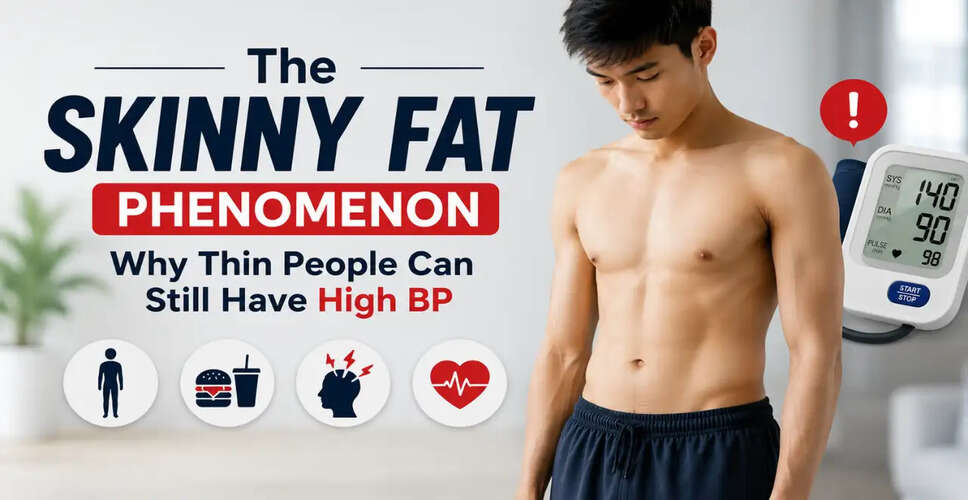

The Hidden Dangers of Being 'Skinny Fat'
For a long time, society has equated being thin with being healthy. However, medical professionals warn that this belief can be misleading and potentially harmful. Many individuals who appear slim may be developing serious health issues such as hypertension, poor metabolic health, and heart disease without any visible signs. This condition is often referred to as 'skinny fat' or scientifically as 'normal-weight obesity' (TOFI), which describes individuals who have a normal Body Mass Index (BMI) but possess excessive internal fat and minimal muscle mass.
Dr. Sanjeev Chaudhary, Chairman of the Cardiology Department at Marengo Asia Hospitals in Gurugram, emphasizes that many people mistakenly believe that being slim protects them from lifestyle-related diseases. He notes that individuals with this body type may look fit in clothing but often lack muscle tone and have excess fat, particularly around their abdomen. The primary concern is visceral fat, which accumulates around internal organs and can lead to serious health complications over time.
Dr. Chaudhary explains that visceral fat is metabolically active and can release inflammatory substances and hormones that increase blood pressure and stiffen blood vessels. This means that someone who appears healthy may actually face a higher risk of cardiovascular issues compared to someone who is slightly overweight but maintains an active lifestyle.
Modern lifestyles are contributing to this growing issue, particularly among young urban Indians who often lead sedentary lives, consume processed foods, and have irregular sleep patterns. Dr. Seema Dhir, a Senior Consultant in Internal Medicine at Artemis Hospitals, points out that habits such as lack of exercise, high salt intake, and chronic stress can lead to hidden fat accumulation.
Why Simply Eating Less Isn't the Solution
One major reason this condition often goes unnoticed is that traditional weight measurements do not accurately reflect body composition. A person may have a normal weight but still possess low muscle mass and high fat percentage. Dr. Dhir explains that muscle mass plays a crucial role in regulating metabolism and blood sugar levels, and insufficient muscle can hinder these processes, potentially leading to high blood pressure.
Experts caution against crash dieting or simply reducing calorie intake, as these practices can exacerbate health issues. Diets lacking essential nutrients can be harmful to heart health. Dr. Dhir warns that a low-calorie diet devoid of potassium, fiber, and healthy fats can be detrimental.
Common warning signs include fatigue, low energy, abdominal fat despite a slim appearance, poor posture, elevated cholesterol levels, and borderline hypertension. Medical professionals advise focusing on body composition and overall fitness rather than fixating on weight. Incorporating strength training, balanced meals rich in protein, regular physical activity, adequate sleep, and stress management is essential for maintaining health. Dr. Chaudhary notes that individuals with normal weight but high visceral fat may face greater cardiovascular risks than those who are slightly overweight yet physically active.
Experts conclude that being thin does not guarantee good health. When it comes to managing blood pressure and heart health, fitness is far more critical than mere appearance.
Expert insights provided by Dr. Sanjeev Chaudhary, Chairman, Department of Cardiology, Marengo Asia Hospitals, Gurugram, and Dr. Seema Dhir, Unit Head & Senior Consultant, Internal Medicine, Artemis Hospitals.