
Understanding the Risks of High Blood Pressure and Stroke

The Silent Threat of High Blood Pressure
High blood pressure, often referred to as the "silent killer," poses a significant risk to brain health. Medical professionals caution that individuals suffering from hypertension and heart disease are at a considerably elevated risk of experiencing a stroke. However, many instances can be avoided through early detection, lifestyle modifications, and prompt medical intervention. Stroke continues to be a leading cause of mortality and long-term disability globally. In India, the increasing prevalence of hypertension, heart disease, and other cardiovascular issues has turned stroke into a pressing public health challenge. Dr. Ashish Susvirkar, a Senior Neurologist and Movement Disorders Specialist at Bhailal Amin General Hospital, emphasizes that hypertension is the most critical preventable risk factor for stroke. He states, “In India, where hypertension and cardiovascular diseases are on the rise, stroke has become a significant public health issue. The positive aspect is that most strokes can be prevented. Among all known risk factors, hypertension is the most significant modifiable cause of stroke, while existing heart conditions further elevate the risk through various mechanisms.”
The Dangers of High Blood Pressure
Why is high blood pressure so dangerous?
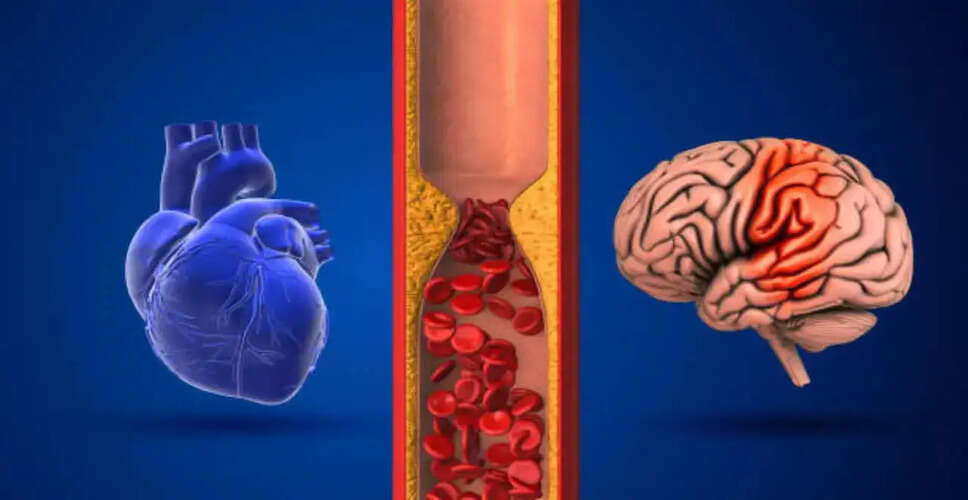
Hypertension often goes unnoticed until it has caused severe damage. Over time, consistently high blood pressure can harm the arteries that supply blood to the brain, making them stiff, narrow, and fragile. This condition heightens the risk of two primary types of stroke:
- Ischemic stroke, which occurs when a blood clot obstructs blood flow to the brain.
- Hemorrhagic stroke, which results from a ruptured blood vessel causing bleeding in the brain.
Experts estimate that hypertension is responsible for nearly 40% of strokes worldwide, making effective blood pressure management a crucial strategy for stroke prevention.
Heart Disease and Stroke Risk
Heart disease further raises stroke risk
The risk of stroke escalates significantly when hypertension is accompanied by heart disease. Conditions such as atrial fibrillation, coronary artery disease, heart failure, cardiomyopathy, and valvular heart disease greatly increase the likelihood of a stroke. Atrial fibrillation is particularly concerning because the irregular heartbeat can lead to blood pooling in the heart, raising the risk of clot formation. Dr. Susvirkar notes, “These clots can travel to the brain, suddenly blocking a major artery and resulting in a severe, potentially life-threatening stroke.”
The Need for Awareness in India
Why do Indians need to pay more attention?
It is estimated that nearly one in four adults in India suffers from hypertension, yet only a small fraction manages to control their blood pressure effectively. Alarmingly, strokes are increasingly impacting younger individuals, with Indian stroke registries indicating that nearly one in seven stroke patients is under 45 years old. Uncontrolled hypertension remains the primary modifiable risk factor. Experts advise that adults over 30, particularly those with a family history of hypertension, diabetes, heart disease, or stroke, should undergo regular blood pressure screenings. Dr. Susvirkar adds, “Since high blood pressure often does not present noticeable symptoms until significant damage has occurred, many individuals remain unaware of their condition for years.”
Reducing Stroke Risk
How to reduce your risk of stroke?
Fortunately, most strokes can be prevented by managing cardiovascular risk factors. Medical professionals recommend:
- Regularly monitoring blood pressure.
- Consistently taking prescribed medications.
- Reducing salt intake and following a heart-healthy diet.
- Engaging in at least 150 minutes of exercise each week.
- Maintaining a healthy weight.
- Avoiding tobacco and limiting alcohol consumption.
- Effectively managing diabetes and high cholesterol.
- Seeking treatment for heart conditions like atrial fibrillation.
Recognizing Stroke Symptoms
Know the warning signs
Quickly identifying stroke symptoms can save lives and minimize permanent disability. Seek emergency medical assistance immediately if you observe:
- Sudden facial drooping.
- Weakness or numbness on one side of the body.
- Difficulty speaking or understanding speech.
- Sudden loss of vision.
- Severe dizziness or loss of balance.