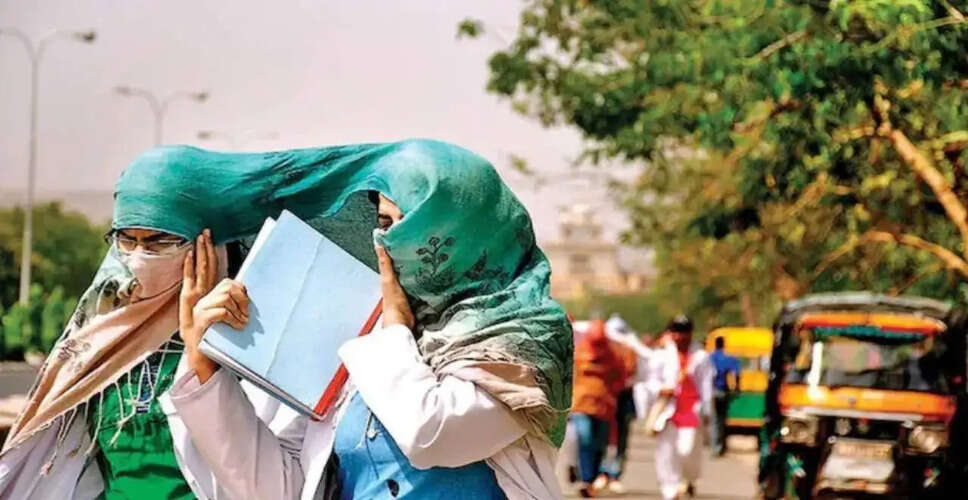
Heatwave Alerts Across India: A Growing Concern
With numerous regions in India currently facing heatwave warnings, including red, orange, and yellow alerts, health professionals are urging the public to pay attention to even mild symptoms such as headaches, nausea, or muscle cramps. The Delhi-NCR area is also predicted to experience extreme temperatures in the coming days, heightening the risk of dehydration, heat exhaustion, and heat stroke. A discussion with Dr. Sushila Kataria, Vice Chairman of Internal Medicine at Medanta, Gurgaon, sheds light on the effects of extreme heat on the body, the vulnerable populations, overlooked warning signs, and preventive measures to avoid health emergencies.
The Dangers of Heatwaves
Why Are Heatwaves Hazardous?
Dr. Sushila Kataria: When temperatures rise, the body must cool itself. If the outside temperature reaches 39-40 degrees while the body temperature is around 37 degrees, the body resorts to sweating, leading to water loss. Insufficient water intake results in dehydration, which also depletes sodium and potassium levels, causing issues like cramps, fatigue, and persistent nausea. Thus, high temperatures necessitate effective cooling mechanisms for the body.
Recognizing Heat Exhaustion Symptoms
Commonly Ignored Symptoms of Heat Exhaustion
Dr. Sushila Kataria: Many individuals present with vague symptoms such as headaches and nausea after outdoor activities. Athletes often report feeling nauseous after late runs, while workers complain of headaches and muscle cramps. In severe cases, individuals may arrive in a drowsy state, indicating extreme heat exposure that could lead to heat stroke.
At-Risk Groups During Heatwaves
Who Is Most Vulnerable?
Dr. Sushila Kataria: The elderly and children are particularly susceptible. The elderly often have impaired heat regulation and limited mobility, making them vulnerable in high temperatures. Children, due to their larger surface area relative to body mass, lose heat more rapidly. Heart patients also face risks, especially if they are on diuretics and advised to limit fluid intake. Additionally, outdoor workers, athletes, and even everyday individuals who venture out without adequate hydration are at risk.
Precautions to Take During Heatwaves
How to Stay Safe in Extreme Heat
Dr. Sushila Kataria: Prevention is key. Avoid leaving anyone in a parked car, and seek shade whenever possible. Dress in light, breathable fabrics, carry an umbrella, and ensure you have water on hand. It's advisable to consume beverages like chaach, nimbu pani, and nariyal pani while reducing intake of coffee, alcohol, and sugary drinks.
Identifying Early Signs of Heat Exhaustion
What Are the Initial Warning Signs?
Dr. Sushila Kataria: The first indication of heat exhaustion is often thirst. Responding to this urge is crucial. Other early signs include headaches and nausea, which should not be ignored. Muscle cramps, particularly in the calves, indicate a progression of heat exhaustion.
When to Seek Emergency Help
Recognizing Severe Heat Exposure
Dr. Sushila Kataria: If someone collapses, help them rest and elevate their legs. If they are drowsy and unresponsive, do not force fluids. Instead, seek emergency medical assistance where their body temperature and blood pressure can be monitored. In cases of heat stroke, the body may stop sweating, leading to dangerously high temperatures that can cause brain damage and seizures.
First Aid for Heat Stroke Victims
How to Provide Immediate Care
Dr. Sushila Kataria: For individuals showing signs of heat stroke, remove excess clothing and apply water to cool them down. If they are conscious, offer water, and transport them to a medical facility for rapid cooling. Using cool, wet towels and fans can help lower body temperature effectively.