
Understanding the Risks of Energy Drinks: What You Need to Know

Concerns Over Energy Drink Marketing
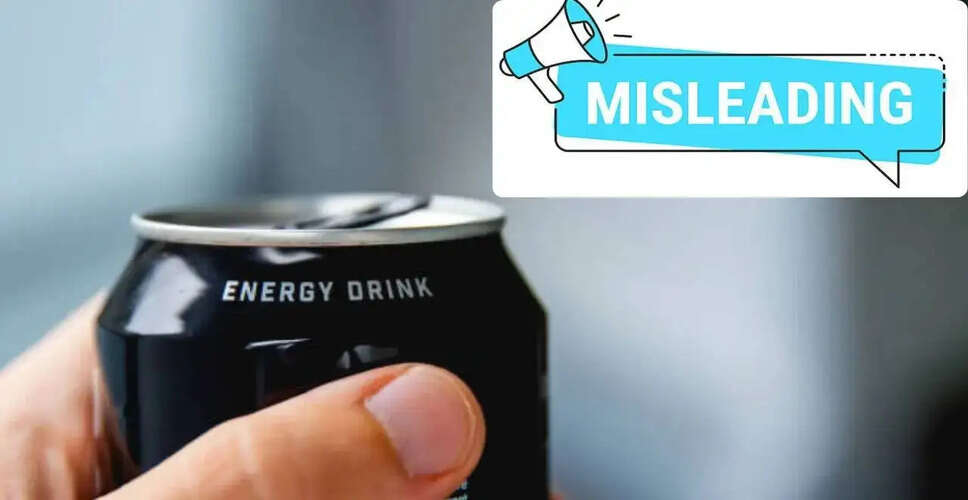
The Food Safety and Standards Authority of India (FSSAI) has recently taken action against six beverage brands for alleged misbranding and misleading claims regarding their energy drinks. Experts express concern over how these products are marketed and whether consumers truly comprehend what they are consuming. Many energy drinks advertise benefits like enhanced focus, stamina, and immediate energy; however, health professionals warn that these effects are often fleeting and can pose serious health risks, particularly for children, teenagers, individuals with diabetes, and those suffering from heart or kidney conditions.
Ritu Dhodhapkar, a Clinical Dietician at PD Hinduja Hospital, emphasizes the importance of scrutinizing nutrition labels rather than being swayed by flashy marketing. She advises consumers to be cautious, noting that many energy boosters and vitamin-enriched products may not be necessary and could be harmful to health.
Do Energy Drinks Provide Real Energy?
Do energy drinks really boost your energy?
Despite their name, most energy drinks do not deliver the kind of energy that contributes to long-term health or fitness. According to Dhodhapkar, the temporary alertness experienced by many is primarily due to caffeine and sugar, rather than genuine energy production in the body. Popular energy drinks often contain ingredients like taurine, ginseng, B vitamins, and guarana, which are marketed as performance enhancers, yet evidence supporting their effectiveness in improving endurance or fitness in healthy individuals is limited. Instead, consumers frequently encounter a brief "energy rush" followed by fatigue once the effects diminish.
Health Risks Associated with Energy Drinks
What are the health risks?
Overconsumption of energy drinks can lead to various health issues, including heart palpitations, elevated blood pressure, anxiety, sleep disturbances, dehydration, and irregular heart rhythms in vulnerable individuals. Dhodhapkar warns that caffeine is particularly unsafe for children, pregnant women, nursing mothers, and those with hypertension or heart disease. When combined with sugar, it can further stress the cardiovascular system, especially in individuals with pre-existing health conditions. Additionally, regularly consuming high-sugar beverages raises the risk of obesity, insulin resistance, and poor metabolic health.
Who Should Avoid Energy Drinks?
Who should avoid energy drinks?
Health experts recommend that certain demographics either avoid or limit their intake of energy drinks. This includes children and adolescents, pregnant and breastfeeding women, individuals with hypertension or heart disease, diabetics, those with kidney issues, and anyone sensitive to caffeine. Dhodhapkar notes that sugary energy drinks can cause rapid spikes in blood glucose levels for diabetics, while those with kidney disease may face additional strain due to high levels of certain ingredients.
What to Look for on the Label
What should you check on the label?
In light of the FSSAI's actions, experts urge consumers to carefully examine labels before purchasing energy drinks. Important factors to consider include:
Caffeine content
High caffeine levels may not be appropriate for children, pregnant women, or individuals with heart disease or high blood pressure.
Sugar content
Opt for products with minimal or no added sugar, especially if managing diabetes or weight.
Serving size
Nutrition labels often indicate values per 100 ml or 100 g, but a single bottle may contain multiple servings. Always verify the nutrition information per serving to understand your actual intake.
Hidden stimulants
Be wary of ingredients like guarana, Yerba mate, green tea extract, and taurine, which can elevate the total stimulant content even if caffeine levels seem moderate.
Misleading health claims
Terms like "energy booster," "vitamin enriched," "performance enhancing," or "focus formula" do not guarantee that a product is healthier or safer. The FSSAI's actions serve as a crucial reminder that marketing claims should not replace informed decision-making. While energy drinks may offer temporary alertness, they cannot substitute for adequate sleep, balanced nutrition, hydration, or regular exercise.