
Understanding the Rise of Kidney Stones in Summer: Causes and Prevention
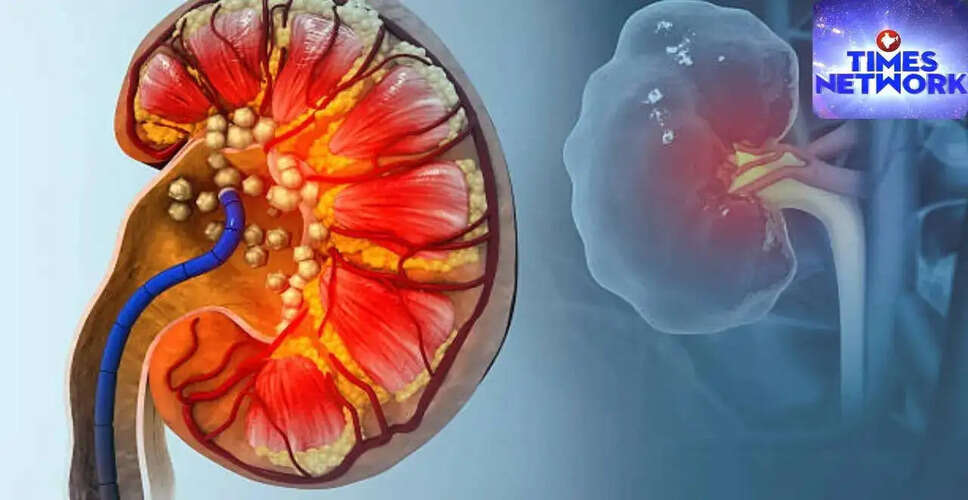
The Summer Surge in Kidney Stones
As summer temperatures rise, hospitals nationwide report an increase in kidney stone cases. This trend is closely linked to the body's reaction to heat, dehydration, and changes in lifestyle that accompany warmer weather. A significant factor contributing to this issue is fluid loss. The body tends to sweat more in an effort to cool down, and if this lost fluid isn't sufficiently replenished, dehydration occurs. This can alter urine composition. Dr. D. Venkat Subramaniam, Executive Director and Senior Urologist at the Asian Institute of Nephrology and Urology, explains, “The most crucial element is fluid loss. In summer, the body sweats more to maintain temperature. If this fluid isn't replaced, dehydration follows.”
Dr. Subramaniam notes that dehydration leads to more concentrated urine, which allows minerals such as calcium, oxalate, and uric acid to form crystals. Over time, these crystals can aggregate and develop into painful kidney stones.
Impact of Low Urine Output
Low Urine Output
Another significant factor is the decrease in urine output. When the body loses water through perspiration, there is less fluid available for urine production. This reduced urine volume means that waste products linger in the kidneys longer, increasing the chances of crystal formation. Essentially, the kidneys are unable to efficiently eliminate substances that could lead to stone formation.
The Role of Dietary Habits
Why are Dietary Habits Important?
Experts indicate that dehydration isn't the sole factor at play. Dietary choices during the summer months significantly influence kidney stone risk. Many individuals tend to indulge in salty snacks, fast food, and sugary drinks like sodas and packaged juices. A high salt intake can elevate calcium levels in urine, thereby increasing the risk of stone formation. Additionally, sugary beverages, particularly those rich in fructose, exacerbate this issue. Ironically, many people substitute water with these drinks, mistakenly believing they are staying hydrated, when they may actually be doing the opposite.
Behavioral patterns also contribute to the problem. In hot weather, people often spend more time outdoors, travel frequently, or postpone drinking water due to busy schedules. Even mild, consistent dehydration over several days or weeks can silently heighten the risk of kidney stones without any clear warning signs.
Preventing Kidney Stones
Are Kidney Stones Preventable?
Health professionals stress that the simplest and most effective way to prevent kidney stones is to stay well-hydrated. Dr. Subramaniam advises, “Drinking enough water throughout the day is the best method to lower risk. Maintaining a balanced diet, reducing salt intake, and incorporating water-rich fruits like watermelon and cucumber can also be beneficial.”
Diet plays a protective role as well. Cutting down on salt, limiting sugary drinks, and adhering to a balanced diet can significantly reduce risk. Including fruits and vegetables with high water content, such as watermelon, cucumber, oranges, and muskmelon, not only aids in hydration but also provides essential nutrients that promote kidney health. For individuals with a history of kidney stones, summer is a particularly crucial time to remain vigilant, as dehydration can easily trigger a recurrence.