
Understanding the Limitations of Routine Cardiac Tests in India

The Hidden Risks of Cardiac Health
A 44-year-old executive from Bengaluru recently experienced a heart attack despite having a clean ECG just six months prior. This incident is not isolated; it reflects a troubling trend where seemingly healthy individuals are suffering from cardiac events that standard tests fail to predict. This raises a critical question: what are these tests overlooking?
The ECG Dilemma
The ECG Problem Nobody Talks About
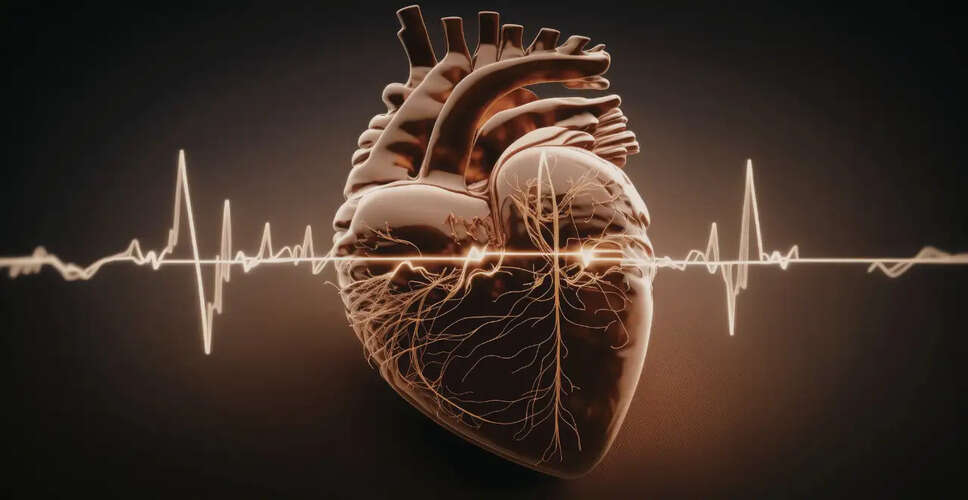
The electrocardiogram (ECG) has long been a staple in cardiac evaluations. Patients often leave their checkups feeling reassured after being told their ECG results are normal. However, prominent cardiac surgeons are now criticizing the resting ECG as ineffective for early heart disease detection. They argue that it only reveals issues when a patient is already symptomatic or has previously suffered a heart attack. Consequently, individuals can have significant arterial blockages without any symptoms, resulting in a misleadingly normal ECG.
While an ECG captures the heart's electrical activity at a specific moment, it fails to identify dangerous plaque accumulation in arteries or predict potential blockages, particularly if no muscle damage has occurred. In some instances, severely restricted blood flow can exist without any changes on an ECG, a condition referred to as unstable angina, indicating a high risk even when tests appear normal.
The Cholesterol Misconception
The Cholesterol Myth
Many individuals find solace in normal cholesterol levels, but these figures only tell part of the story. Research indicates that well-managed cholesterol levels do not eliminate the risk of heart attacks if inflammation remains high. The CANTOS trial, which involved over 10,000 participants with controlled LDL cholesterol, revealed that elevated inflammation markers kept their cardiac risk alarmingly high. Important markers like Apolipoprotein B (ApoB), high-sensitivity C-reactive protein (hs-CRP), and Lipoprotein(a) are often overlooked in standard checkups, yet they are crucial for assessing heart attack risk before symptoms manifest.
Stress as a Major Factor
Stress: The Silent Accelerant
For many urban professionals in India, chronic stress may be the most underestimated risk factor for heart disease. Stress hormones such as adrenaline and cortisol can elevate heart rate, blood pressure, and cholesterol levels. Sudden spikes, particularly in the early morning hours, can dislodge arterial plaques, leading to clots that obstruct blood flow. Research shows that individuals experiencing high stress or depression are 2.5 times more likely to suffer a heart attack.
While physical activity contributes to heart health, it accounts for only 15-20%. The remaining 80% is influenced by various risk factors that can silently harm the heart, including sleep deprivation, chronic inflammation, smoking, uncontrolled blood sugar, and ongoing psychological stress.
Essential Tests for Heart Health
What You Should Actually Be Asking For
Fortunately, there are more effective screening options available. A coronary calcium scan can detect calcium deposits in the coronary arteries, indicating plaque formation long before symptoms arise, particularly for those with cardiovascular risk factors. A stress test evaluates heart performance under exertion, revealing blockages that may not be visible at rest. Additionally, an hs-CRP blood test can identify chronic low-grade inflammation, a significant factor in plaque rupture. These tests are not exotic or costly; they simply aren't part of routine checkups yet. With India accounting for about one-fifth of global heart attack fatalities and experiencing cardiac events a decade earlier than Western countries, the need for comprehensive screening is urgent. A clean ECG does not equate to a clean bill of health; it is merely one piece of a much larger puzzle, and for many Indians, it is the only piece that gets examined.