
Understanding the Impact of Gut Transit Time on Health
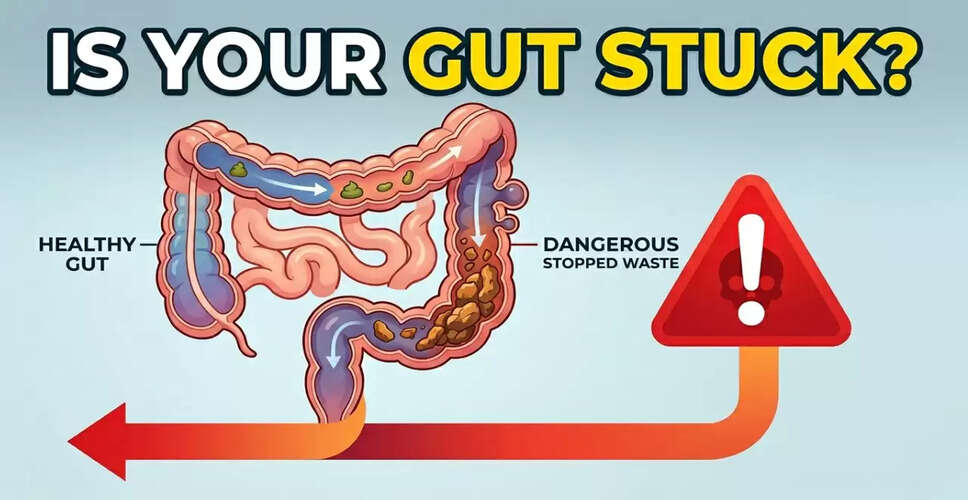

The Hidden Importance of Bathroom Habits
While bathroom routines may seem mundane, recent research indicates that the duration waste remains in your system could significantly affect your overall health. This includes influences on metabolism and potential risks for neurological disorders.
The Role of Time in Gut Function
Your Gut Has a Clock And It Matters
The colon acts as a fermentation chamber where all consumed food eventually arrives. The bacteria present in your gut begin to break it down, and time plays a crucial role. The longer waste remains, the more opportunity bacteria have to ferment and produce metabolites that enter the bloodstream, impacting health in ways that are still being explored.
Comparing Fast and Slow Gut Transit
Fast Movers vs. Slow Movers
A comprehensive review published in the journal Gut analyzed data from numerous studies involving both healthy individuals and those with conditions like irritable bowel syndrome and chronic constipation. The results revealed that individuals with quicker gut transit times had significantly different gut microbiomes compared to those with slower transit. This difference is noteworthy.
Individuals who process food rapidly tend to have gut bacteria that thrive on carbohydrates, while those with slower transit often host bacteria that primarily consume protein. Neither scenario is optimal, as both groups exhibited lower microbial diversity than those with average transit times, which is generally linked to poorer health outcomes. This creates a cycle where dominant bacterial species produce metabolites that reinforce their own favorable conditions, making it challenging to alter gut patterns without intentional changes.
The Broader Health Implications
The Bigger Health Picture
Alarmingly, slow gut transit and chronic constipation have been associated with metabolic disorders, inflammatory diseases, and even neurological conditions like Parkinson's. Although researchers are cautious about asserting direct causation, the correlations are compelling enough to warrant further investigation. Incorporating transit time data into patient assessments has proven to be a more accurate predictor of gut microbiome composition than diet alone, challenging the traditional view that diet is the primary factor in gut health.
This research sheds light on why two individuals can follow the same diet yet experience vastly different health outcomes. The unique rhythm of your gut influences how your microbiome reacts to food, probiotics, and medications. A probiotic that benefits one person may have no effect on another due to differing gut transit speeds, which create distinct internal environments.
Practical Tips for Gut Health
As science continues to evolve, being mindful of your own gut patterns is beneficial. Observing stool consistency, frequency, and regularity can provide valuable insights. Staying hydrated, consuming fiber-rich foods, and maintaining physical activity are effective strategies to promote healthy gut transit. Ultimately, understanding your gut's unique schedule may be one of the most crucial steps for long-term health.