
Understanding the Impact of Global Conflicts on Children's Mental Health
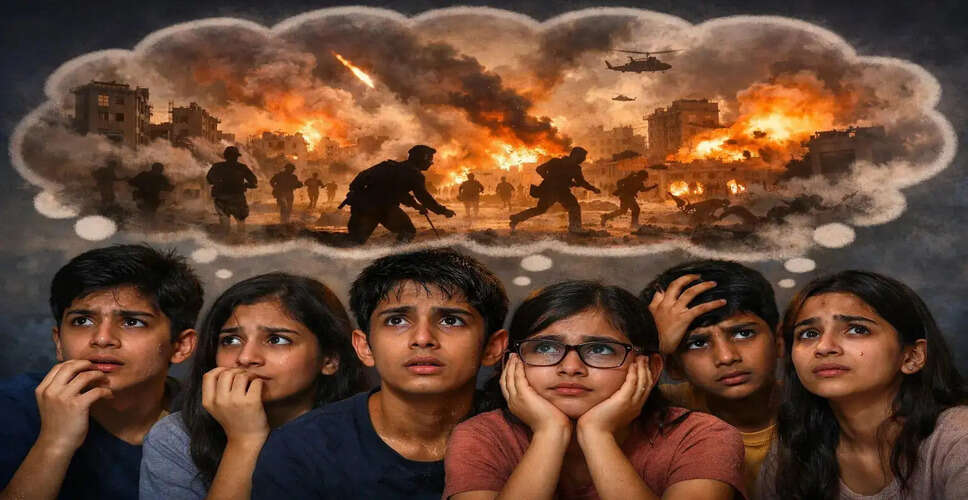
The Ripple Effects of Conflict on Children
The ongoing conflict involving Iran, the US, and Israel has now extended beyond three weeks, and its effects are being felt far and wide, particularly within households. Children are increasingly exposed to distressing information through social media, including alarming posts about LPG shortages and hospital crises. Prime Minister Narendra Modi has also cautioned about potential disruptions reminiscent of the COVID-19 pandemic, leading to widespread anxiety among the populace in India. The situation is further exacerbated by precautionary measures in various countries, including remote schooling and work-from-home advisories in nations like Pakistan, Sri Lanka, and Vietnam, alongside severe power outages reported in Cuba. This climate of uncertainty poses a significant threat to children, who are now confronting the concept of war not merely as a historical event but as a tangible possibility.
For many young individuals who have learned about the devastation of past World Wars, the current global tensions feel alarmingly real. Dr. Shreya Singhal, a Consultant Child and Adolescent Psychologist at Rainbow Hospital, notes that children often interpret what they see in a literal manner. She observes a marked increase in anxiety levels, particularly among those who frequently engage with social media and news content.
Parents are voicing concerns that reflect profound fears, with children questioning the safety of their cities and expressing worries about potential attacks and the loss of loved ones. While younger children may not articulate their fears, they often exhibit clinginess, irritability, or sleep disturbances. In contrast, older children may withdraw or become fixated on negative news cycles. This rising anxiety is leading to an increase in outpatient visits as parents seek professional assistance for behavioral and emotional changes.
Dr. Megha Pushkarna, a counseling psychologist and parent therapist, confirms that anxiety levels among children are escalating globally due to the prevailing uncertainty and ongoing conflicts. She has personally witnessed a significant rise in such cases.
Many parents are already observing the effects at home. Paromita Sharma, a PR professional from Delhi, shares her experience with her 13-year-old daughter, who has been persistently asking whether a war could reach India. After noticing her daughter’s restlessness and fear, exacerbated by late-night social media scrolling, Sharma decided to take her phone away. Conversations revealed the profound impact of this content and the looming threat of war on her daughter and her peers.
The Influence of Social Media on Anxiety
The Role of Social Media in Fuelling Panic
In our interconnected world, children are not just passive recipients of information; they are inundated with it. Viral videos, sensational headlines, and speculative discussions about a potential 'World War 3' can blur the lines between reality and fear. Dr. Singhal emphasizes that children often lack the ability to distinguish between credible information and sensationalized content, highlighting the need for active parental involvement.
She advocates for open dialogues at home, where children feel secure enough to voice their questions and concerns. By guiding them towards trustworthy sources and helping them understand the intent behind certain content, parents can significantly alleviate anxiety.
Fostering Resilience Amidst Uncertainty
Building Resilience in Uncertain Times
Despite the unpredictable external environment, psychologists and counselors stress the importance of fostering emotional resilience at home. Establishing simple, consistent routines, ensuring adequate sleep, balanced nutrition, and regular physical activity can serve as stabilizing factors for children. Dr. Megha also points out that limiting screen time, especially exposure to distressing content, is crucial.
Dr. Singhal further emphasizes the significance of encouraging mindfulness practices, creative outlets, and regular family discussions. Providing children with healthy ways to process their emotions equips them to handle stress more effectively.
In a world where uncertainty is prevalent, emotional awareness becomes essential. Dr. Singhal explains that the ability to recognize and understand one’s emotions is foundational. When children can identify their feelings and the reasons behind them, they are less likely to feel overwhelmed and more inclined to seek support.
As the world navigates through these uncertain times, what children require most is not constant updates but a sense of safety and stability. While the news may remain unpredictable, the emotional environment at home can still be steady and reassuring. Experts stress that children take cues from adults not only through words but also through the manner in which those words are conveyed.
In challenging times, it is crucial to help children process reality without allowing fear to dominate their lives. Long after the news cycle has moved on, what will remain with them is the sense of safety, being heard, and the support they received during these turbulent times.