
Understanding the Heart Risks Associated with PCOD in Women
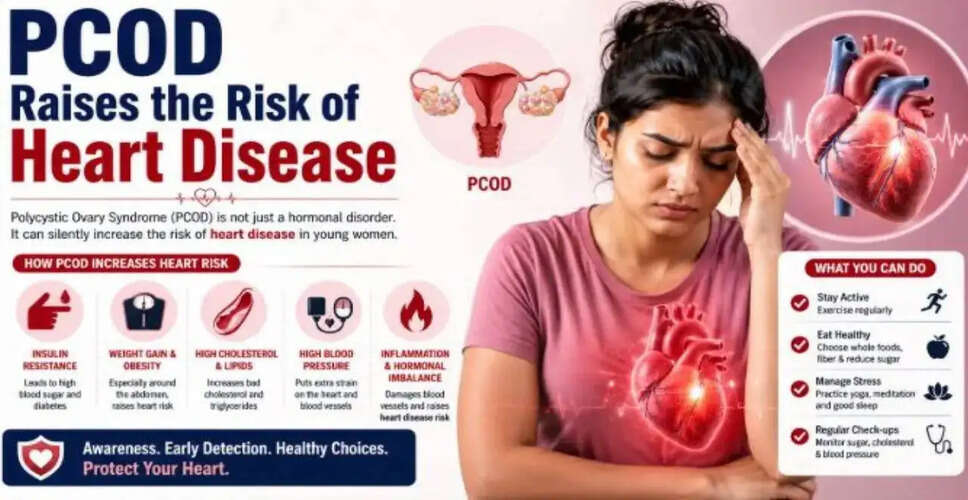

The Hidden Dangers of PCOD
Polycystic Ovarian Disease (PCOD) is commonly associated with irregular menstrual cycles, weight gain, acne, and fertility challenges. However, health professionals are increasingly alerting that PCOD may also elevate the risk of heart disease in women, particularly in those aged 20 to 30. Dr. Ranita Saha points out that the relationship between PCOD and cardiovascular issues is often overlooked, despite accumulating evidence indicating that the hormonal and metabolic repercussions of PCOD can adversely affect heart health over time. She emphasizes that PCOD is not merely a reproductive issue but also a metabolic disorder linked to insulin resistance, inflammation, and cardiovascular risk factors related to lifestyle.
Insulin Resistance and Heart Health
One significant concern is insulin resistance, where the body has difficulty utilizing insulin effectively. This condition can result in increased blood sugar levels, abdominal fat, high cholesterol, and ultimately lead to Type 2 diabetes, all of which are critical risk factors for heart disease and stroke.
How PCOD Contributes to Heart Disease Risk
Dr. Saha explains that women with PCOD are at a higher risk of developing hypertension, unhealthy cholesterol levels, and chronic inflammation earlier in life compared to their counterparts without the condition. These factors can accelerate the process of atherosclerosis, which is the accumulation of plaque in the arteries that may result in heart attacks and strokes. She notes that chronic low-grade inflammation is now recognized as a significant contributor to atherosclerosis.
The Role of Hormonal Imbalance
Hormonal imbalances are also crucial. Women with PCOD typically have elevated levels of androgens, often referred to as male hormones. Increased androgen levels are linked to chronic low-grade inflammation, which experts now acknowledge as a silent factor in cardiovascular disease. Additionally, lifestyle choices can exacerbate these issues. Sedentary lifestyles, inadequate sleep, chronic stress, poor dietary habits, and insufficient physical activity are increasingly prevalent among urban women, intensifying both PCOD symptoms and heart disease risks.
Recognizing the Warning Signs
Many women often overlook the early signs of cardiovascular stress, as symptoms can be subtle. Fatigue, mild shortness of breath, headaches, fluctuating blood pressure, jaw discomfort, or back pain are frequently dismissed or attributed to hormonal fluctuations and stress. Unlike men, women may experience atypical heart disease symptoms, which can delay diagnosis and treatment. For those with PCOD, this delay can heighten the risk of developing cardiovascular issues at a younger age.
Preventive Lifestyle Changes
The good news is that much of this risk can be mitigated through early intervention and lifestyle adjustments. Regular physical activity, maintaining a healthy weight, minimizing processed foods, and adhering to a balanced diet rich in fruits, vegetables, whole grains, and lean proteins can enhance insulin sensitivity and reduce inflammation. Healthcare experts also advise regular monitoring of blood sugar, cholesterol, blood pressure, and body weight as part of long-term PCOD management. Techniques for stress management, such as yoga, mindfulness, meditation, and proper sleep hygiene, can also aid in hormone balance and support heart health. Dr. Saha notes that many urban women lead sedentary lives, experience high stress, get insufficient sleep, and have poor diets, all of which exacerbate PCOD symptoms and increase heart disease risk.
The Importance of Early Awareness
Healthcare professionals stress that PCOD should not be viewed solely as a gynecological issue. Instead, it should be recognized as a significant indicator of potential metabolic and cardiovascular complications. Early identification of the connection between PCOD and heart disease can empower women to adopt healthier lifestyle choices, seek timely medical attention, and substantially reduce their long-term risk of serious heart-related issues.