
Understanding the Distinction Between Angiography and Angioplasty for Heart Health

Heart Disease: A Growing Concern in India
Heart disease poses a significant health challenge in India, with an alarming increase in coronary artery disease cases affecting younger individuals. Despite heightened awareness regarding heart health, many patients often confuse two key cardiac procedures: angiography and angioplasty. Although their names are similar, medical professionals emphasize that these procedures serve distinct purposes. Grasping the differences can empower patients to make informed choices, alleviate anxiety, and seek prompt treatment during cardiac emergencies.
What is Angiography?
Understanding Angiography
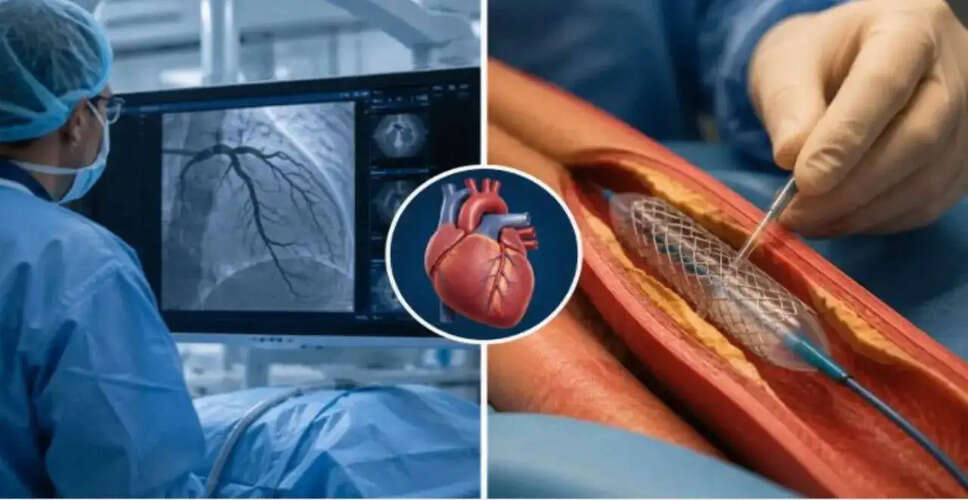
Angiography is primarily a diagnostic procedure aimed at identifying blockages or narrowing in the coronary arteries, which supply oxygen-rich blood to the heart. During this test, a thin catheter is inserted through the wrist or groin and navigated to the coronary arteries. A special contrast dye is injected, enabling visualization of blood flow via X-ray imaging. This process assists cardiologists in assessing whether arteries are obstructed, the extent of narrowing, the location of plaque accumulation, and the potential risk for future heart complications. Angiography is typically recommended for patients exhibiting symptoms such as:
- Chest pain
- Shortness of breath
- Dizziness
- Fatigue during physical exertion
- Signs of a suspected heart attack
“Angiography itself does not treat blockages; it is solely a diagnostic tool,” explains Dr. Aakash Motgi, a cardiology consultant.
What is Angioplasty?
Understanding Angioplasty
In contrast, angioplasty is a therapeutic procedure aimed at restoring blood flow through narrowed or blocked arteries. If angiography indicates a significant blockage, doctors may proceed with angioplasty, particularly in emergency situations like heart attacks. This procedure involves inserting a small balloon attached to a catheter into the obstructed artery. The balloon is inflated to widen the narrowed vessel, and a stent—a small mesh tube—is often placed to maintain the artery's openness. Angioplasty enhances blood circulation to the heart and mitigates the risk of severe complications, such as heart attacks. Today, it is recognized as one of the most prevalent minimally invasive heart procedures globally.
Why the Confusion Between Angiography and Angioplasty?
Understanding the Confusion
Experts note that the confusion between angiography and angioplasty arises because both procedures are frequently performed together and utilize similar medical equipment. Patients receiving emergency cardiac care may overhear discussions about both procedures, leading to misconceptions about their equivalence. In reality:
- Angiography = Diagnosis
- Angioplasty = Treatment
Recognizing this distinction is crucial, as it helps patients comprehend their condition and treatment strategy better. “A timely angioplasty can significantly enhance blood flow and lower the risk of major cardiac issues. Understanding the difference between these two procedures can help patients approach treatment with greater clarity and promptness,” Dr. Motgi adds.
India has witnessed a surge in lifestyle-related diseases, including hypertension, diabetes, obesity, and coronary artery disease. Early detection and timely intervention are vital in preventing severe cardiac events. Angiography can identify dangerous arterial narrowing before it leads to a heart attack, while angioplasty can swiftly restore blood flow, protecting heart muscle from irreversible damage. Cardiologists emphasize the necessity of regular health checkups, especially for individuals with risk factors such as smoking, high cholesterol, stress, diabetes, or a family history of heart disease. Understanding heart procedures not only alleviates fear but also encourages patients to seek medical help more quickly when symptoms arise.