
Understanding the Dangers of Formalin in Healthcare Settings

Tragic Incident Raises Awareness About Formalin
The unfortunate passing of a three-year-old cancer patient at AIIMS Bhopal has brought formalin into the spotlight. The child, who was receiving treatment for blood cancer, reportedly died after formalin was mistakenly administered through an IV line, a serious medical error identified in an internal review. This incident has ignited public outrage and raised significant concerns regarding safety protocols in healthcare environments. As investigations continue, many are left wondering: what is formalin, and what makes it so hazardous?
Defining Formalin
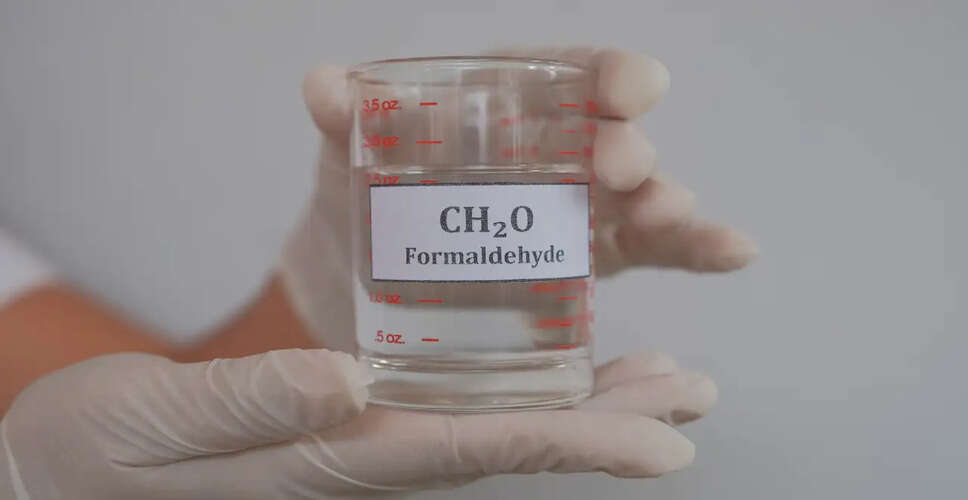
Formalin is a solution created by dissolving formaldehyde gas in water, typically containing about 37%-40% formaldehyde along with stabilizing agents. It is commonly utilized in hospitals, laboratories, and medical schools, but it is not intended for treatment purposes.
The primary function of formalin is preservation. When tissue is removed during a biopsy, it is often placed in formalin to prevent decomposition before microscopic examination. Additionally, formalin is used to preserve organs, biological specimens, and cadavers for educational and research purposes. While it serves a crucial role in preservation, its properties also render it extremely harmful to living tissues.
Even in standard conditions, formalin requires careful handling. Prolonged exposure to its vapors can irritate the eyes, nose, throat, and lungs, while direct skin contact may lead to burns or severe irritation. Health organizations classify formaldehyde, the active component of formalin, as a known carcinogen with long-term exposure.
Effects of Formalin on the Body
Unlike medications designed for safe administration, formalin is a toxic substance. Injecting it can result in immediate and extensive damage, destroying tissues, causing severe inflammation, harming blood vessels, and impairing vital organ function. Depending on the dosage, exposure can lead to shock, organ failure, and even death.
Medical professionals emphasize that formalin is never meant for intravenous use. In healthcare settings, it is typically stored separately from patient care medications. Therefore, accidental administration is viewed as a grave error, often indicating failures in storage, labeling, handling, or safety protocols.
In the Bhopal case, reports indicate that formalin was mistakenly identified as an IV solution and administered to the child. This revelation has led to actions against the involved healthcare staff, while investigations continue to uncover how such a mistake could happen. This tragic event underscores the necessity for stringent medication safety protocols in hospitals. Experts advocate for clear labeling, separate storage of chemicals and medications, regular staff training, and multiple verification steps before administering any substance to prevent fatal errors.
For many, formalin was an unfamiliar term until now. The Bhopal incident serves as a stark reminder that while certain substances can be life-saving in appropriate contexts, they can also be deadly when safety measures are neglected. The ongoing investigation aims to clarify the circumstances of this incident and determine what steps are necessary to avert similar tragedies in the future.