
Understanding the Current COVID-19 Landscape: What You Need to Know

Recent COVID-19 Developments in Andhra Pradesh
New COVID-19 cases and two fatalities in Andhra Pradesh have reignited concerns about the virus, which many believed was under control. Health officials are enhancing monitoring efforts but emphasize that the current situation does not indicate a widespread resurgence. Experts assert that COVID-19 has transitioned into an endemic virus, capable of causing periodic increases in cases as immunity diminishes and new variants arise. Dr. Sudha Subhana Desai, a Senior Consultant in Internal Medicine and Critical Care at Ruby Hall Clinic, highlights a common misconception: that COVID-19 has vanished. She explains, "COVID-19 is now a persistent virus in our environment, with potential spikes influenced by immunity levels and variant developments."
Evolving Symptoms of COVID-19
Changes in COVID-19 Symptoms
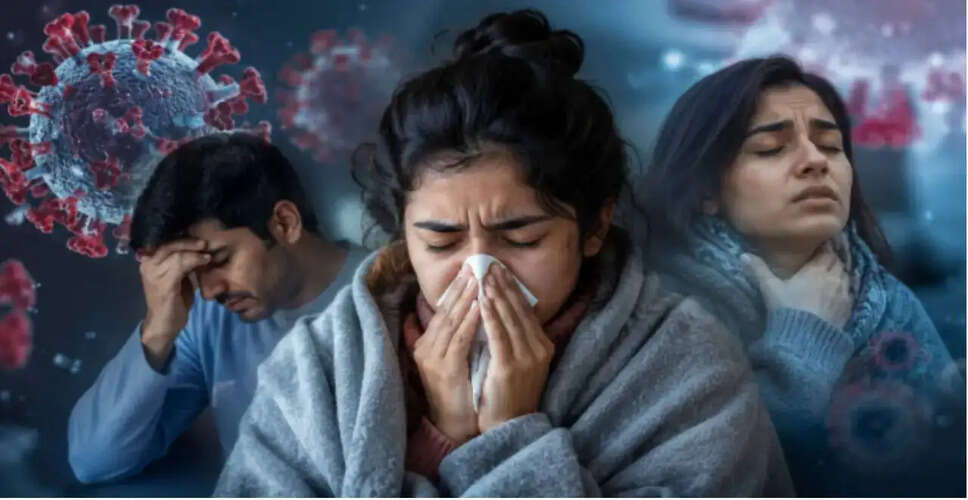
The manifestation of COVID-19 has evolved since the initial waves of the pandemic. Earlier, symptoms like loss of taste and smell, high fever, and severe respiratory issues were prevalent. Dr. Desai notes, “The symptoms have shifted over the years. Currently, many individuals experience a sore throat, mild fever, persistent cough, headaches, or fatigue. Some may only have nasal congestion or body aches, complicating the diagnosis between COVID-19 and other illnesses like the flu.”
Dr. Desai lists the most common symptoms today as:
- Sore throat
- Mild fever
- Persistent cough
- Headache
- Extreme fatigue
- Runny nose
- Body aches
Due to the overlap of these symptoms with other viral infections, many individuals may dismiss them as minor ailments and continue their daily activities.
Concerns Among Healthcare Professionals
Why Healthcare Providers Are Concerned
Dr. Shivaraj AL, Lead Consultant and HOD of Pulmonology at Aster Whitefield Hospitals, points out that as COVID-19 has become endemic, occasional outbreaks are to be expected. He reassures that we have effective tools such as surveillance and genomic testing available. While there is no need for alarm or restrictions, caution is advised.
Dr. Desai expresses concern over the public's casual attitude towards respiratory illnesses. Many individuals continue to work, travel, or socialize despite experiencing symptoms like fever or cough. Although most healthy individuals recover without complications, they risk transmitting the virus to vulnerable populations, including the elderly, pregnant women, and those with chronic health conditions. For these groups, even mild COVID-19 can lead to severe complications.
“Our focus should shift towards preparing and safeguarding at-risk groups rather than fearing another nationwide COVID-19 outbreak,” Dr. Shivaraj emphasizes.
When to Seek Medical Attention
When Should You Consult a Doctor?
Fortunately, most COVID-19 cases today are mild, especially among vaccinated individuals or those with prior infections. Recovery typically involves rest, hydration, nutritious food, and supportive care. However, Dr. Desai advises seeking medical help if symptoms worsen or if you experience:
- Shortness of breath
- Chest pain
- High fever lasting several days
- Confusion
- Excessive drowsiness
- Difficulty staying awake
Individuals who are older or have pre-existing health conditions should consult a healthcare provider early rather than waiting for symptoms to escalate.
Other Respiratory Viruses in Circulation
COVID-19 and Other Respiratory Viruses
Healthcare professionals remind the public that COVID-19 is not the only respiratory virus currently circulating. Influenza, Respiratory Syncytial Virus (RSV), and adenoviruses are also prevalent, and some individuals may contract multiple viruses simultaneously. Given the similarity in symptoms, testing may be recommended to identify the specific virus.
Experts advise against panic and recommend adhering to effective preventive measures:
- Regular handwashing
- Covering mouth and nose when coughing or sneezing
- Staying home if unwell
- Wearing masks in crowded indoor settings if experiencing respiratory symptoms
- Keeping up with recommended COVID-19 vaccinations, especially for those at higher risk
It is crucial to understand that COVID-19 has not disappeared; it has integrated into the spectrum of infections we encounter as our immunity has adapted through vaccinations and previous infections. Therefore, the emergence of new cases should not incite panic. Unlike in 2020, we now possess a better understanding of the virus, effective treatments, vaccines, and clear prevention strategies. The emphasis should be on awareness, sensible precautions for vulnerable individuals, and timely medical intervention. While vigilance is necessary, alarm is unwarranted.