
Understanding Sciatica: Causes, Symptoms, and Treatment Options

Introduction to Sciatica
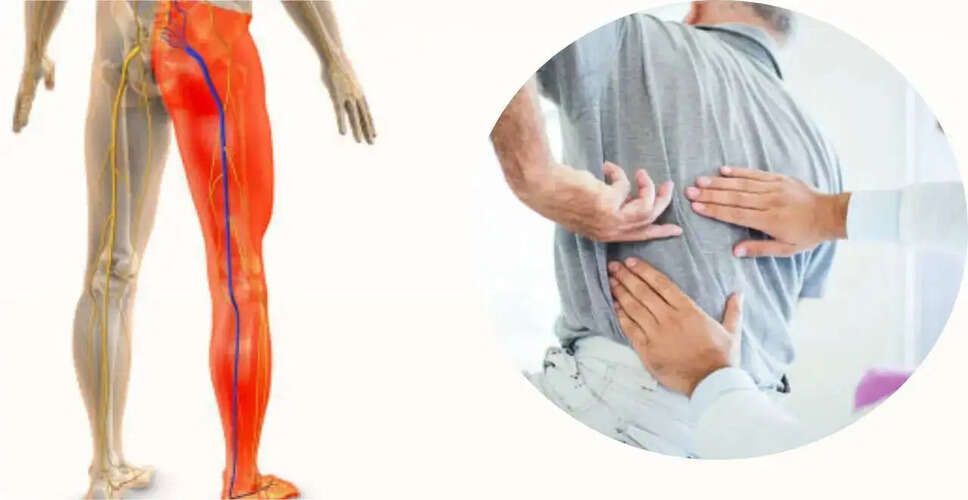
Many individuals encounter lower back pain at various stages of their lives. Whether it's after lifting a heavy object, sitting for extended periods, or finishing a rigorous workout, back pain is often dismissed as a simple muscle strain. However, if the discomfort radiates from the lower back into the buttocks, thighs, calves, or feet, it could signal sciatica, a condition that necessitates medical evaluation. Dr. Gururaj S. Puranik, a Senior Consultant in Trauma and Orthopaedic Surgery at HOSMAT Hospitals, explains that sciatica is not a standalone disease but rather a symptom resulting from irritation or compression of the sciatic nerve, the largest nerve in the body. He notes, “It is not a diagnosis by itself but indicates an underlying issue with the spine, commonly due to a herniated lumbar disc, spinal stenosis, or age-related degenerative changes.”
What is Sciatica?
Understanding Sciatica
The sciatic nerve extends from the lower spine through the hips and buttocks down each leg. When this nerve is compressed or irritated, it can lead to pain along its pathway. Common causes of sciatica include:
- Herniated or slipped lumbar disc
- Spinal stenosis (narrowing of the spinal canal)
- Degenerative spine disease
- Bone spurs
- Nerve root compression
Research indicates that sciatica impacts millions globally, with estimates suggesting that between 10% and 40% of individuals will experience it at some point, particularly affecting adults in their 40s and 50s.
Risk Factors for Sciatica
Why Are Men More Susceptible?
Men are often at a higher risk for sciatica due to various occupational and lifestyle factors. Jobs that involve heavy lifting, repetitive bending, long-distance driving, or prolonged sitting can put significant stress on the spine, increasing the chances of nerve compression. Additional risk factors include obesity, smoking, lack of physical activity, weak core muscles, and poor posture. Excess weight can add strain to the spine, leading to accelerated wear and tear and a higher risk of nerve irritation. Dr. Puranik emphasizes that obesity is a significant risk factor for sciatica that has garnered recent attention.
Recognizing Sciatica Symptoms
Identifying Hidden Signs of Sciatica
Unlike typical back pain, sciatica presents unique symptoms. Common warning signs include:
- Sharp, shooting pain down one leg
- Burning sensation from the lower back to the foot
- Tingling or "pins and needles" sensation
- Numbness in the leg or foot
- Muscle weakness
- Difficulty standing, walking, or climbing stairs
Symptoms usually affect one side of the body and may worsen after prolonged sitting, coughing, sneezing, or sudden movements.
Treatment Options for Sciatica
Can Sciatica Be Treated?
The positive aspect is that most sciatica cases improve without surgical intervention. Conservative treatment methods include physiotherapy, stretching and strengthening exercises, anti-inflammatory medications, posture correction, activity modification, and weight management. Strengthening core muscles and maintaining flexibility can significantly lower the risk of future episodes. Dr. Puranik notes that surgery may be necessary in specific cases involving severe or persistent nerve compression.
When to Seek Medical Help
Warning Signs That Require Immediate Attention
While many cases respond well to treatment, certain symptoms should never be overlooked. Seek immediate medical assistance if you experience:
- Progressive leg weakness
- Loss of bladder or bowel control
- Severe numbness in the leg or foot
- Intense pain that does not improve with treatment
These symptoms may indicate significant nerve compression that requires urgent evaluation and, in some instances, surgery. Preventing sciatica begins with maintaining spinal health. Experts recommend regular physical activity, avoiding prolonged sitting, lifting heavy objects properly, maintaining a healthy weight, and strengthening core muscles.