
Understanding PTSD: Insights from a Leading Psychiatrist
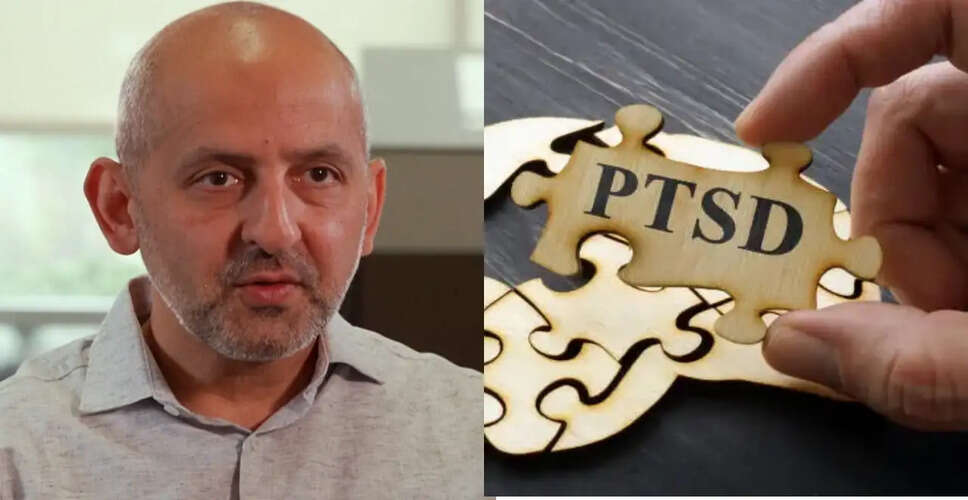

What is PTSD?
Dr. Arash Javanbakht, a psychiatry professor at Wayne State University and director of the Stress, Trauma and Anxiety Research Clinic, emphasizes that post-traumatic stress disorder (PTSD) is not merely a typical reaction to trauma. He explains that while most individuals can naturally regain a sense of safety after a distressing event, PTSD traps the brain in a survival mode long after the threat has subsided. "In a typical stress response, we activate fight-or-flight mechanisms to survive, but with PTSD, the brain remains in that heightened state, constantly on alert for danger, akin to being in a combat zone even in the comfort of one's home," he states.
This persistent state of arousal leads to ongoing feelings of fear and anxiety. Individuals with PTSD often avoid situations that might seem even slightly risky, experience nightmares, and suffer from flashbacks. The trauma remains ever-present in their minds, leading to a negative worldview and a damaged self-perception. Many fail to recognize their PTSD symptoms, mistaking them for normal reactions to trauma. Dr. Javanbakht notes, "I frequently encounter first responders, like firefighters and police officers, who believe that nightly nightmares are just part of their job. However, this can severely impact their daily lives, making simple tasks like grocery shopping feel impossible. They may develop a pervasive sense of hopelessness and negativity about themselves and the world around them."
Delayed Onset and Misconceptions
One of the most challenging aspects of PTSD is that symptoms can manifest long after the traumatic event, sometimes even years later. Dr. Javanbakht explains, "PTSD can have a delayed onset. Initially, the fear response might be minimal, but over time, reminders or new stressors can trigger full-blown symptoms." He highlights that the reasons some individuals develop PTSD while others do not remain unclear, with various factors such as biology, genetics, past trauma, and social support playing a role.
While PTSD is often viewed as a mental health issue, its physical effects are frequently overlooked. Dr. Javanbakht clarifies, "PTSD is not just a mental condition; it affects the entire body. The brain's fear centers become overly active, while emotional regulation areas diminish in function, leading to a constant state of stress that can contribute to serious health issues like cardiovascular disease and chronic pain."
Hope and Treatment Options
Despite the severity of PTSD, Dr. Javanbakht addresses a common misconception: that nothing can be done to alleviate the condition. "Many of my patients feel hopeless, believing that PTSD defines their identity. However, it is crucial to understand that there are effective treatments available," he asserts. He encourages individuals to seek help, stating that treatments are safe and can significantly reduce suffering and dysfunction. "PTSD is manageable and treatable, allowing individuals to lead fulfilling lives," he concludes.