
Understanding Pacemakers: Debunking Common Myths About Heart Health

Introduction to Heart Disease Misconceptions
When people hear about heart disease, they often picture major surgeries or the need for a pacemaker. This leads to the misconception that anyone diagnosed with a heart issue will eventually require one. Cardiologists clarify that this is a significant misunderstanding regarding heart health. A pacemaker is not a universal solution for all heart diseases; it is specifically intended to address certain heart rhythm disorders, known as arrhythmias, particularly when the heart beats too slowly or its electrical system malfunctions. Dr. Rajesh T, the Head of Cardiology at Amrita Hospital, emphasizes the importance of recognizing when a pacemaker is genuinely necessary, as this knowledge can help alleviate unnecessary anxiety and prompt timely medical attention when symptoms arise. He states, “Heart disease includes a variety of conditions, and while some individuals may need a pacemaker, many do not. Understanding the appropriate circumstances for pacemaker use can empower patients to make informed choices and minimize undue stress.”
What Exactly is a Pacemaker?
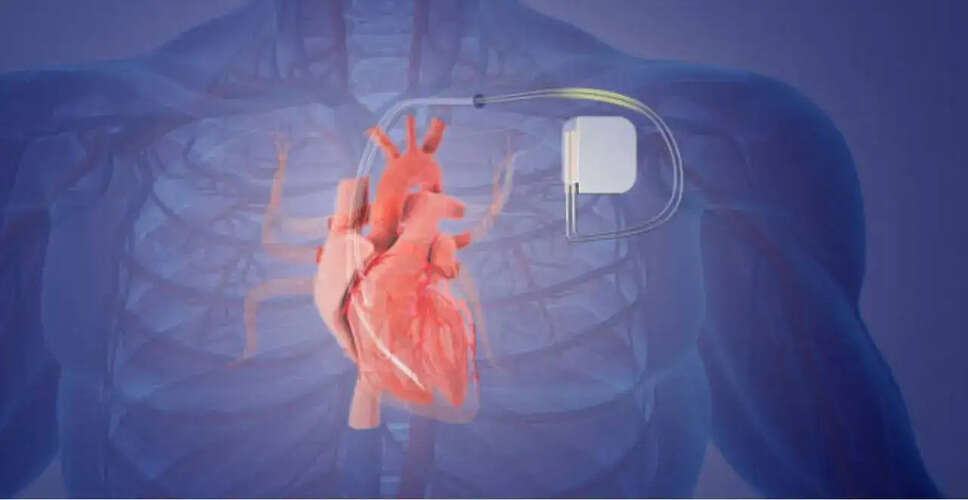
A pacemaker is a compact, battery-operated device that is surgically placed beneath the skin of the chest. Its function is to emit electrical impulses that help maintain a regular heartbeat when the heart's natural electrical system is ineffective. Contrary to common belief, pacemakers do not treat conditions like blocked arteries, hypertension, heart attacks, or all types of heart failure. These issues are typically managed through medications, lifestyle modifications, or surgical interventions such as angioplasty or bypass surgery. Pacemakers are mainly recommended for individuals experiencing symptomatic bradycardia (a slow heart rate) or specific types of heart block, where electrical signals do not travel correctly through the heart.
Common Myths About Pacemakers
Myth 1: All Heart Patients Require a Pacemaker
Fact: The majority of heart patients do not need a pacemaker. Many cardiovascular conditions impact the heart's blood vessels or its pumping ability rather than its electrical system. Dr. Rajesh explains, “The necessity for a pacemaker is entirely dependent on the specific diagnosis and whether the heart rate has become dangerously slow or irregular.”
Myth 2: A Slow Heart Rate is Always a Cause for Concern
Fact: Not necessarily. A heart rate below 60 beats per minute, known as bradycardia, can be perfectly normal for athletes and those who are physically active. However, medical evaluation is essential if a slow heartbeat is accompanied by symptoms such as persistent fatigue, weakness, breathlessness during routine activities, dizziness, light-headedness, reduced exercise capacity, or fainting spells. These signs may indicate that the brain and other organs are not receiving adequate blood flow due to an irregular heart rhythm.
Myth 3: Pacemakers are Exclusively for Older Adults
Fact: Age is not the sole factor in determining the need for a pacemaker. While rhythm disorders are more prevalent in older individuals, younger adults and even children with congenital heart issues or inherited rhythm disorders may also benefit from pacemaker therapy.
Myth 4: Life Changes Drastically After Getting a Pacemaker
Fact: Modern pacemakers are designed to enhance quality of life. Dr. Rajesh notes, “Most patients can return to work, travel, exercise, and resume their normal daily routines after recovery from the procedure. Rather than restricting independence, a pacemaker often revitalizes energy levels and alleviates symptoms caused by slow heart rhythms.”
Myth 5: Pacemaker Patients Must Avoid Electronics
Fact: Today's pacemakers are advanced and well-shielded. Most household electronics, including smartphones, TVs, laptops, and microwaves, are safe to use. Patients should adhere to their cardiologist's advice regarding specific high-powered electrical devices or medical equipment.
When is a Pacemaker Recommended?
A cardiologist may recommend a pacemaker after assessing:
- Symptoms
- Electrocardiogram (ECG) results
- Holter monitor data
- Heart rhythm irregularities
- Impact on daily life
Doctors also explore whether medications or other health issues might be causing the slow heart rate before suggesting implantation.
Advancements in Pacemaker Technology
Pacemaker technology has progressed significantly. In addition to traditional devices, leadless pacemakers are now available for select patients. These tiny devices are implanted directly into the heart without electrical leads, providing a minimally invasive option with quicker recovery times and fewer complications related to the procedure. Not every heart patient requires a pacemaker; the device is intended for specific rhythm disorders that cause symptoms or elevate the risk of severe complications. Symptoms like persistent fatigue, unexplained dizziness, breathlessness, or fainting should never be overlooked, as they may indicate an abnormal heartbeat. Early assessment through ECG, heart rhythm monitoring, and consultation with a cardiologist can help determine if a pacemaker or another treatment is the appropriate choice.