
Understanding Nystagmus: The Importance of Early Eye Screening in Children

The Significance of Vision in Child Development
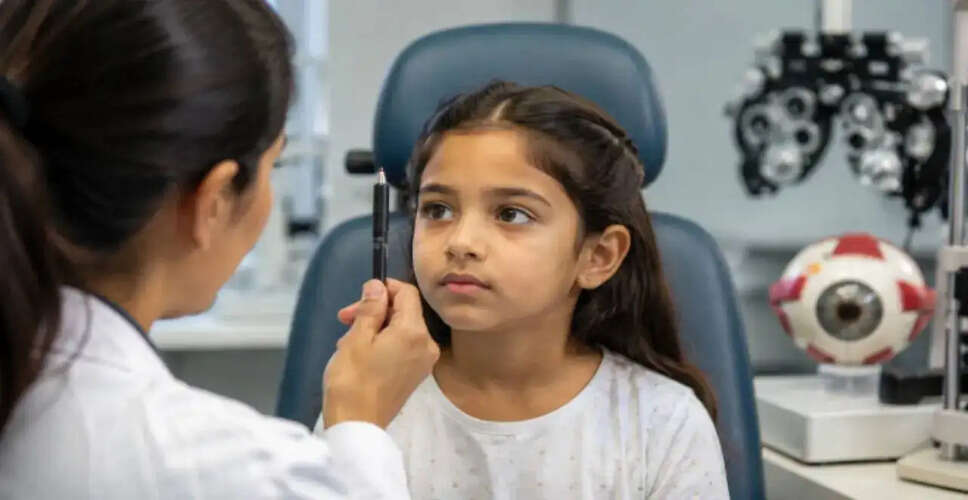
A child's vision is vital for their learning, social skills, and overall growth. However, certain vision disorders can go unnoticed due to their subtle symptoms. One such disorder is nystagmus, characterized by involuntary eye movements. Dr. Rashmi, a Retina Specialist at Dr Agarwals Eye Hospital in Bengaluru, emphasizes that early detection and screening are crucial for maintaining a child's vision and promoting healthy development. She states, “Identifying the issue early allows for targeted treatment, which can prevent further vision impairment.”
What is Nystagmus?
Nystagmus is a condition where the eyes exhibit uncontrolled, repetitive movements, which may occur side to side, up and down, or in circular motions. These movements are involuntary, meaning the child cannot control them. Some children are born with nystagmus, while others may develop it shortly after birth or later due to neurological or ocular issues. Unfortunately, many children remain undiagnosed until they face challenges in learning or daily activities.
The Importance of Early Detection
Healthcare professionals stress the necessity of early eye screenings. Prompt identification of the underlying cause allows for timely treatment, which is essential to prevent permanent vision damage. Early diagnosis is critical for several reasons:
- It enables quicker identification and treatment of the underlying condition.
- Children's vision develops rapidly during their early years, and timely intervention maximizes their chances of achieving normal visual development.
- Good vision is closely linked to learning, reading, coordination, and social interactions.
- Untreated vision issues can hinder developmental milestones and academic performance.
Signs of Nystagmus in Children
Children with nystagmus may develop subtle coping strategies, such as frequently tilting their heads or turning to find a clearer view. Parents and educators should not dismiss these behaviors as mere habits, as they may indicate an underlying vision issue. Dr. Rashmi advises that children should not have to wait long for an eye examination. A thorough exam assesses clarity of vision, eye coordination, retinal health, and color vision when necessary. Early detection can significantly impact a child's visual development and their ability to thrive in school and daily life.
Causes of Nystagmus
Nystagmus is not a standalone disease but often a symptom of other medical or ocular conditions. Dr. Rashmi notes several potential causes, including:
- Congenital cataracts
- Inherited retinal disorders
- Issues affecting the retina or optic nerve
- Conditions involving the brain or visual pathways
- Disorders impacting the body's balance system
In many cases, early vision problems can disrupt the normal development of the visual system, leading to abnormal eye movements.
Warning Signs for Parents
Parents should consider scheduling an eye exam if they observe any of the following signs:
- Constant or repetitive eye movements
- Difficulty maintaining eye contact
- Frequent head tilting or turning
- Poor focus on objects
- Delayed visual development
- Challenges in reading or tracking moving objects
- Complaints of blurred vision, especially in older children
Even mild symptoms warrant a comprehensive eye examination.
What to Expect During an Eye Examination
A pediatric eye evaluation encompasses more than just checking for glasses. Doctors assess visual acuity, eye alignment, coordination, movement patterns, retinal health, and optic nerve function, along with color vision when appropriate. Dr. Rashmi mentions that additional imaging or neurological evaluations may be suggested if a medical condition is suspected.
The Role of Early Screening in Vision Protection
Experts advocate for early eye examinations, suggesting that children should not wait until they encounter academic difficulties to have their eyes checked. Early vision screenings can identify rare conditions like nystagmus before they disrupt learning and development. While nystagmus may not always be completely treatable, early identification allows for better management of the condition, enhancing visual function and preventing complications. Routine eye exams during infancy and preschool years are among the most effective strategies to protect a child's vision. Recognizing unusual eye movements, persistent head tilting, or delayed visual milestones early can significantly impact a child's education, independence, and overall quality of life.