
Understanding Myoglobin: The Science Behind Pink Chicken
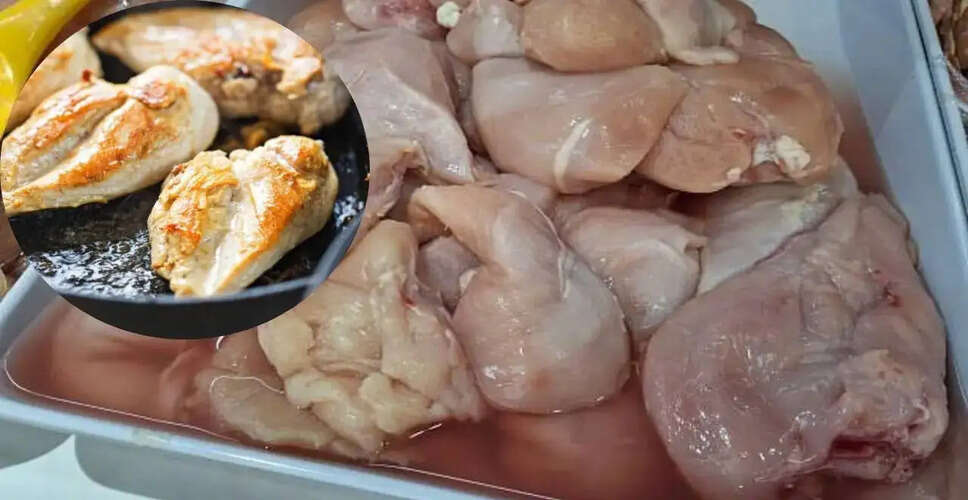

The Truth About Pink Liquid in Chicken
When slicing into a freshly cooked chicken piece and noticing a reddish or pink liquid near the bone, many people panic, fearing the chicken is undercooked or contaminated with blood. However, nutritionists and food experts clarify that this is a widespread misconception. The reddish liquid is primarily due to a protein known as Myoglobin, which is naturally present in muscle tissue. Ralston D'Souza, a well-known fitness coach, explains, “This protein is more prevalent in cuts like thighs, legs, and wings, which are more active muscles. In contrast, chicken breast contains less myoglobin.” Smita Deo, a food expert, advises against discarding the chicken based on its appearance.
What is Myoglobin?
Understanding Myoglobin
Myoglobin is a crucial protein that stores oxygen in muscles, contributing to the meat's color and aiding muscle function during physical activity. This protein is found in various meats, including chicken, beef, lamb, and fish. The concentration of myoglobin varies based on muscle usage; for instance, chicken thighs and legs have higher levels due to their more frequent use, resulting in darker meat that appears redder compared to the lighter chicken breast.
Why Does Cooked Chicken Sometimes Appear Pink?
Understanding Color Changes in Cooked Chicken
Many people mistakenly believe that pink chicken is unsafe. However, food experts assert that color alone is not a definitive measure of doneness. During cooking, heat alters myoglobin's structure through a process called denaturation. At different temperatures, the color of the meat can change:
- At approximately 60°C (140°F), the meat may still look pink.
- At around 77°C (170°F), myoglobin typically turns greyish-brown.
Is Pink Chicken Always Unsafe?
Ensuring Chicken Safety
Health professionals emphasize that chicken must reach a safe internal temperature, regardless of its color. According to food safety standards, chicken is deemed safe when it reaches an internal temperature of 74°C (165°F). Using a food thermometer is a more reliable method than merely judging by appearance. Experts caution that undercooked chicken can harbor harmful bacteria such as Salmonella and Campylobacter, which can lead to foodborne illnesses, including diarrhea, fever, vomiting, and stomach cramps.
Debunking Common Chicken Cooking Myths
Common Misconceptions About Cooking Chicken
Many myths about cooking chicken persist online. In reality, ensuring the correct cooking temperature and safe food handling practices are far more critical. Some prevalent misconceptions include:
- Pink meat always indicates raw chicken.
- Washing chicken eliminates bacteria.
- Red liquid signifies blood.
- Frozen chicken cooks the same as fresh chicken.
Safe Chicken Cooking Practices
How to Cook Chicken Safely
D'Souza recommends thoroughly cooking poultry using a food thermometer, preventing cross-contamination, washing hands after handling raw meat, and keeping raw chicken separate from ready-to-eat foods. Understanding myoglobin can help alleviate unnecessary fears and promote safer cooking practices. Therefore, the next time you notice a reddish liquid in chicken, remember it is often just a scientific phenomenon occurring within the muscle tissue.