
Understanding Motor Neuron Disease: Insights from Michael Patrick's Tragic Passing
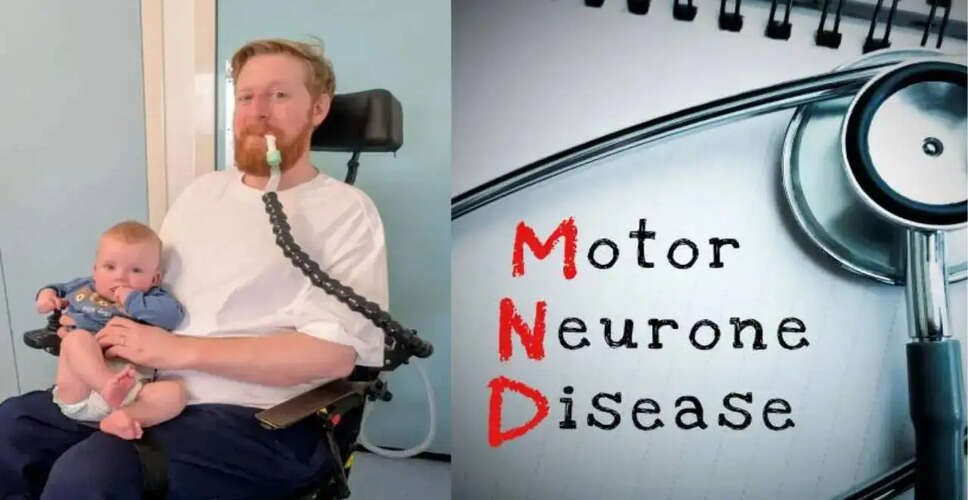

A Heartbreaking Loss
The recent death of Michael Patrick, known for his role in Game of Thrones, at the young age of 35 has drawn significant attention to Motor Neuron Disease (MND), a severe illness impacting the brain and nerves. His wife, Naomi Sheehan, shared a poignant narrative about his last days, indicating that he was hospitalized just ten days prior to his passing. In her heartfelt Instagram post, she mentioned that he received care in the hospital before peacefully departing surrounded by loved ones. She expressed, "Words can't convey the depth of our sorrow. Mick was a beacon of inspiration to all who knew him, not just during his illness but throughout his entire life. He embraced life fully, radiating joy and laughter. A true giant of a man," she wrote.
Understanding Motor Neuron Disease
What is Motor Neuron Disease?
Motor Neuron Disease is a rare and progressive neurological disorder that affects motor neurons, the nerve cells responsible for controlling voluntary muscles. This condition leads to muscle weakness, loss of movement, and challenges with vital functions such as speaking, swallowing, and breathing. MND shares similarities with Amyotrophic Lateral Sclerosis (ALS), the most prevalent form of this disease.
Michael Patrick's Struggle with MND
Patrick’s Battle with MND
While specific details about his diagnosis are private, Michael’s experience illustrates the harsh realities of living with MND. Naomi noted that his health declined rapidly in his final days, emphasizing the unpredictable and aggressive nature of the disease. Her tribute highlighted his strength and bravery, even as his condition worsened. The fact that he was hospitalized shortly before his death underscores how quickly complications can arise in advanced MND stages.
Recognizing Symptoms of MND
Symptoms of MND You Must Know
Identifying early symptoms is vital for prompt diagnosis. Medical professionals indicate that these symptoms tend to worsen over time, complicating daily activities. Common indicators include:
- Weakness in hands, legs, or arms
- Difficulty with speech or slurred words
- Challenges in swallowing
- Muscle cramps and twitching
- Gradual loss of mobility
- Breathing issues in later stages
Challenges in Treating MND
Why is MND So Difficult to Treat?
Currently, there is no cure for Motor Neuron Disease. Treatment primarily aims to slow the disease's progression and enhance the quality of life. Experts suggest that early diagnosis and supportive care, including physiotherapy, speech therapy, and respiratory assistance, can help manage symptoms. Some challenges include:
- Rapid progression of the disease in certain cases
- Limited treatment options available
- Effects on multiple body systems
- Emotional and psychological impact on patients and their families
Experts note that MND typically affects individuals in their 60s and 70s, but it can also impact children and adults of any age. The likelihood of developing MND increases if there is a family history of the condition or related disorders like frontotemporal dementia. Michael’s premature passing has ignited discussions about neurological diseases and the critical need for awareness, as many remain unaware of MND until it personally affects them.