
Understanding Menstrual Hygiene: Essential Tips for Health and Comfort
The Importance of Menstrual Health
Your menstrual cycle is more than just a monthly occurrence; it provides valuable insights into your health. Often, discussions around menstrual hygiene focus solely on cleanliness, but there’s much more to consider. Maintaining proper hygiene is crucial for your comfort and reproductive health. Understanding your body’s needs during menstruation can help prevent infections, alleviate discomfort, and enhance your overall well-being.
Understanding Menstruation
What Happens During Your Cycle
Menstruation is a natural process where the uterus sheds its lining, resulting in bleeding that lasts between three to seven days, with an average blood loss of 30 to 80 ml. While this is a normal bodily function, it can increase susceptibility to infections if hygiene is neglected. Bacteria can enter and lead to urinary tract infections or reproductive issues, which is why maintaining cleanliness is essential during this time.
Choosing the Right Menstrual Products
Selecting Suitable Products
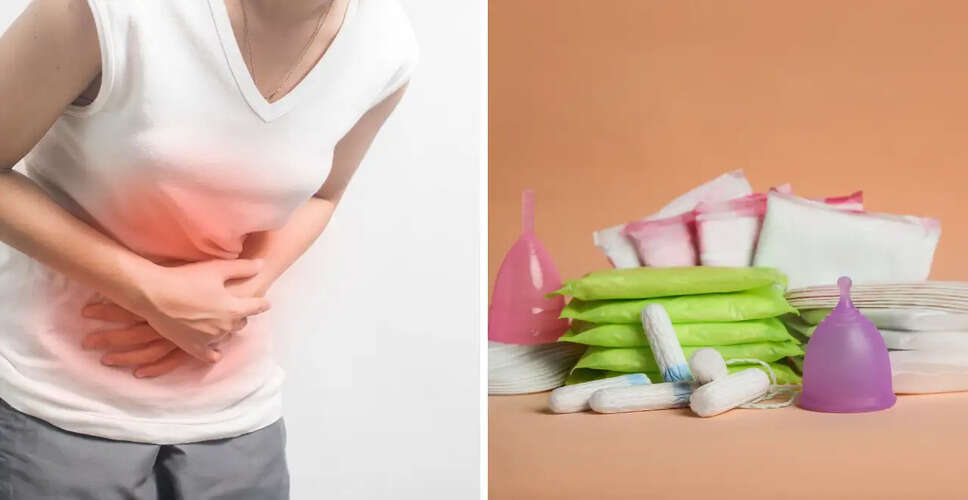
There isn’t a one-size-fits-all solution when it comes to menstrual products. Options like pads, tampons, and menstrual cups all serve their purpose. Pads are straightforward, while tampons and cups offer more freedom of movement. Opt for fragrance-free products if you have sensitive skin. Menstrual cups, typically made from medical-grade silicone, are eco-friendly and can hold more fluid.
Changing Products Regularly
Regular Changes Are Key
It’s crucial to change your pads every four to six hours and tampons at least every eight hours to avoid infections and unpleasant odors. Regardless of your flow, consistent changes are vital for maintaining hygiene and preventing serious conditions like Toxic Shock Syndrome.
Maintaining Cleanliness
Simple Hygiene Practices
While it’s important to wash your genital area, keep it uncomplicated. Use water or a gentle, unscented cleanser, and avoid harsh soaps or douching, as the vagina naturally maintains its balance. Opt for breathable cotton underwear to stay dry and reduce the risk of rashes or fungal infections, and remember to change it daily.
Nutrition and Hydration
Healthy Eating and Hydration
Your diet plays a significant role during your period. Foods rich in iron, such as spinach, lentils, and dates, can help replenish lost blood and combat fatigue. Staying hydrated is essential for reducing cramps and bloating, while magnesium-rich foods like nuts and bananas can ease muscle tension. Additionally, cutting back on caffeine and greasy foods may help minimize mood swings and bloating.
Listening to Your Body
Pay Attention to Your Body's Signals
Every menstrual cycle is unique, and your body may send signals that something is off. Irregular periods, heavy bleeding, or severe cramps are not normal and should not be ignored. If you experience excessive pain, consult a healthcare professional. While periods may still be a taboo topic in many cultures, discussing menstrual hygiene is vital for raising awareness and empowering women to care for their health.