
Understanding Melasma: Causes, Treatments, and Prevention Tips
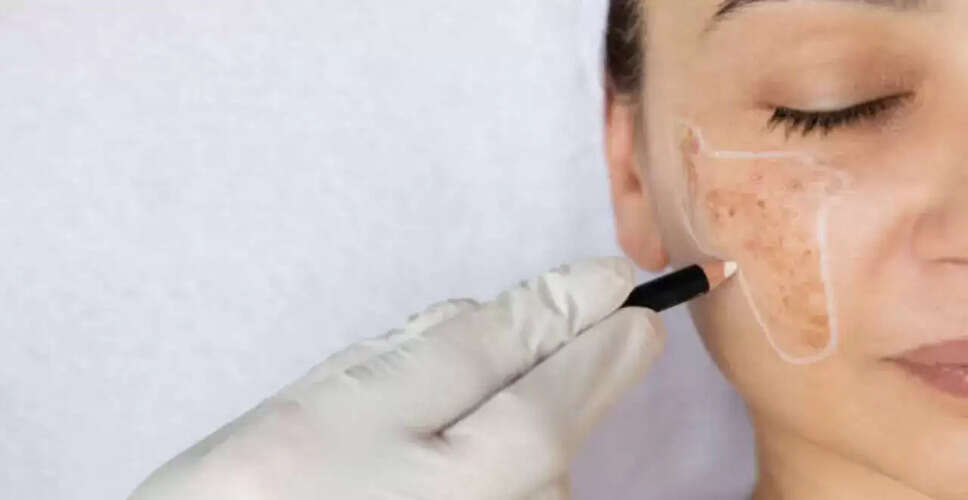

What is Melasma and Why Does It Worsen in Summer?
Melasma manifests as persistent brown or gray patches, typically found on the cheeks, forehead, and upper lip, and tends to become more pronounced during the summer months. Factors such as increased sun exposure, heat, and hormonal changes can exacerbate this skin condition, leading to uneven and dull skin. Dermatologists suggest that advanced laser treatments may provide relief for those dealing with melasma, provided they are administered with caution. Dr. Rashmi Agrawal, the Founder and Medical Director of a prominent aesthetic clinic, notes that many individuals observe their melasma darkening as temperatures rise and sun exposure increases. This condition is particularly sensitive to ultraviolet light, visible light, heat, and hormonal fluctuations, which is why it often becomes more visible in warmer weather.
Why Does Melasma Darken in Summer?
Understanding the Triggers
Melasma is closely associated with UV radiation and heat, both of which are more prevalent in summer. Even brief outdoor exposure can deepen existing patches if proper precautions are not taken. Dr. Agrawal emphasizes that it’s not solely about spending time outdoors; everyday activities like commuting, sitting by windows, or walking during peak sunlight can also aggravate the condition. Here are some reasons for melasma flare-ups:
- Sun exposure or UV rays stimulate melanocytes, the pigment-producing cells.
- Heat and infrared radiation can worsen pigmentation even without direct sunlight.
- Hormonal fluctuations, such as those occurring during pregnancy or due to oral contraceptives, can trigger melasma.
- Genetic predisposition can make certain individuals more susceptible to pigmentation issues.
Exploring Laser Treatments for Melasma
How Do Laser Treatments Work?
Laser therapy for melasma employs focused light energy to break down excess skin pigment. Over time, the body naturally eliminates these pigment particles, resulting in a more uniform complexion. Dermatologists often recommend combining laser treatments with topical solutions like hydroquinone, retinoids, or vitamin C for optimal results. Common laser options include:
- Q-switched lasers: These target pigment while minimizing damage to surrounding skin.
- Fractional lasers: These gradually improve skin texture and reduce pigmentation.
- Low-fluence laser toning: Gentle sessions repeated over time yield better results.
Safety of Laser Treatments for Melasma
Is Laser Therapy Safe?
While laser treatments can be effective, they are not universally suitable for everyone. Experts warn that melasma is a chronic condition that can recur, and it is not permanently curable. If not performed correctly, aggressive laser treatments may worsen pigmentation. Typically, multiple sessions are required for noticeable improvement. Dr. Agrawal mentions that laser therapy is safe for darker skin tones (Fitzpatrick IV–VI), reducing the risk of post-inflammatory hyperpigmentation, which is common in South Asian skin. A standard treatment protocol involves 4 to 8 sessions spaced 2 to 4 weeks apart, along with seasonal maintenance.
Skincare Tips to Prevent Melasma Flare-Ups
Essential Preventive Measures
To maximize the effectiveness of laser treatments, strict sun protection and a solid skincare routine are crucial. Doctors advise that without adequate sun protection, melasma can quickly reappear, even after successful treatment. Here are some essential skincare tips to prevent melasma flare-ups:
- Apply broad-spectrum sunscreen with SPF 50+ daily.
- Reapply sunscreen every 2 to 3 hours when outdoors.
- Wear hats, sunglasses, and protective clothing.
- Avoid sun exposure during peak hours, typically between 10 AM and 4 PM.
- Incorporate dermatologist-recommended brightening serums into your routine.