
Understanding Liver Health: The Importance of Regular Testing
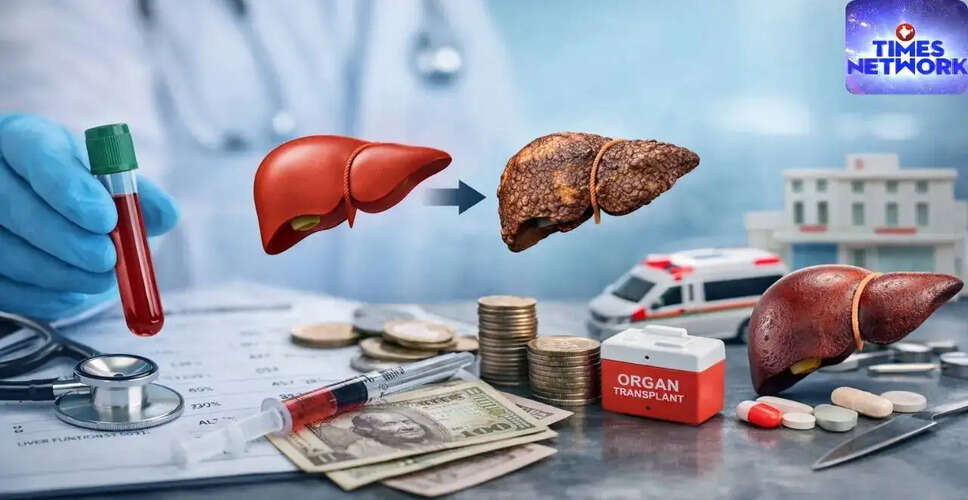

The Silent Crisis of Liver Diseases
Liver diseases rank among the most prevalent yet frequently misunderstood health issues today. Many individuals are unaware of their liver health until serious complications arise. Experts suggest that a straightforward test, costing less than ₹500, could be crucial for early detection and intervention, potentially saving individuals from hefty medical expenses later on. The Liver Function Test (LFT) is increasingly being highlighted by healthcare professionals as a vital screening tool that can reveal early signs of liver damage before any noticeable symptoms manifest.
Why is Liver Health a Growing Concern?
The liver plays a critical role in detoxification, metabolism, and digestion, making it one of the most essential organs in the body. Unfortunately, liver diseases often develop without obvious symptoms, with conditions such as fatty liver disease, hepatitis, and alcohol-related damage remaining undetected until significant harm has occurred. In India, there is a rising prevalence of liver disorders attributed to factors such as:
- Sedentary lifestyles
- High-carbohydrate, low-protein diets
- Increasing rates of obesity and diabetes
- Excessive alcohol consumption
By the time symptoms like fatigue, jaundice, or abdominal swelling become apparent, treatment options may become complicated and costly.
What Does a Liver Function Test Involve?
A Liver Function Test evaluates various enzymes, proteins, and bilirubin levels in the bloodstream. Abnormal results may indicate inflammation, infection, or damage to liver cells. This test is particularly valuable as it can identify early liver damage, monitor the effects of medications or alcohol, and detect metabolic issues associated with diabetes and obesity. Regular screenings enable healthcare providers to implement early interventions through lifestyle modifications, medications, or ongoing monitoring, which can often prevent the progression to severe liver disease.
Key Markers in Liver Function Tests
Alanine Transaminase (ALT)
This enzyme aids in converting proteins into energy for liver cells; elevated levels suggest liver damage.
Aspartate Transaminase (AST)
Found in various body parts, including the liver, high levels indicate potential damage.
Alkaline Phosphatase (ALP)
This enzyme is crucial for protein breakdown and is found in the liver and bones.
Albumin
A protein produced by the liver that prevents fluid from leaking out of blood vessels.
Total Protein
This measures the overall protein content in the blood.
Bilirubin
A substance formed during the breakdown of red blood cells; elevated levels can signal liver dysfunction.
The Importance of Early Detection
Ignoring early warning signs can lead to severe conditions such as cirrhosis or liver failure, which may require long-term hospitalization or even a transplant. In India, the cost of a liver transplant can range from ₹15 lakh to ₹25 lakh, excluding post-operative care and lifelong medication. In contrast, a ₹500 screening test is a small yet potentially life-saving investment.
Who Should Consider Getting Tested?
Healthcare professionals recommend regular liver screenings for:
- Individuals with obesity or diabetes
- Those with high alcohol consumption
- People with a family history of liver disease
- Patients on long-term medications
- Anyone experiencing unexplained fatigue or digestive problems
Even those who appear healthy should consider periodic testing, especially after reaching the age of 30.
Raising Awareness About Liver Health
The encouraging news is that early-stage liver damage is often reversible. Simple lifestyle adjustments can significantly improve liver health. Key recommendations include:
- Maintaining a healthy weight
- Increasing protein intake while reducing refined carbohydrates
- Engaging in regular physical activity
- Limiting alcohol consumption
- Staying hydrated and avoiding unnecessary medications