Understanding Liver Cirrhosis: Causes, Symptoms, and Prevention

What is Liver Cirrhosis?
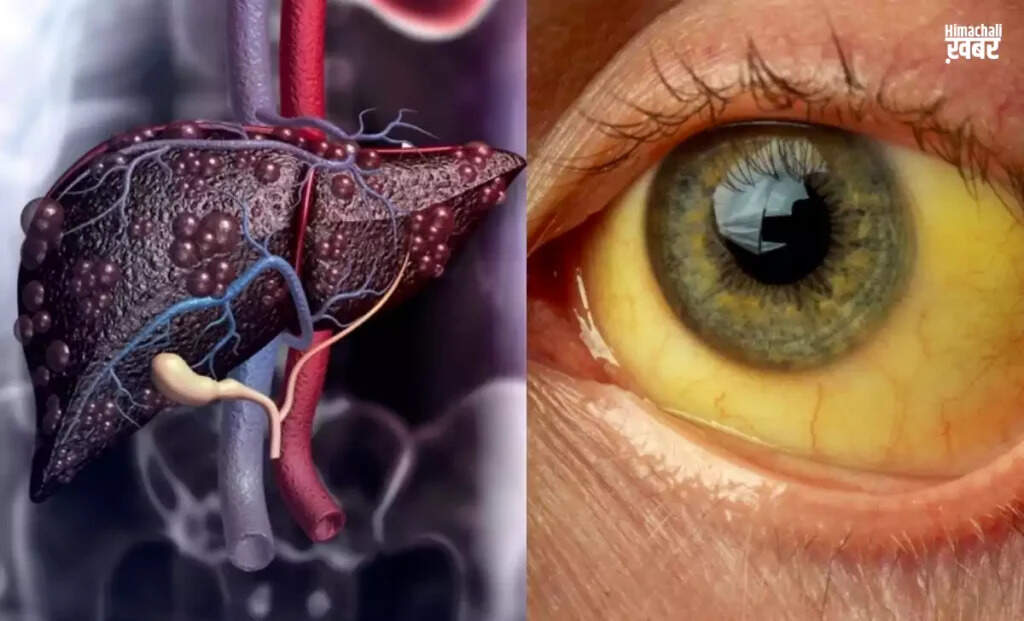
Liver cirrhosis is often referred to as a silent killer due to its gradual progression without noticeable symptoms. This makes early detection nearly impossible, leading to severe liver damage if not identified in time.
How Does Liver Cirrhosis Develop?
Cirrhosis occurs when the liver is repeatedly damaged over time. Although the liver has the ability to heal itself, continuous injury prevents the formation of new cells, resulting in the liver becoming diseased and deteriorating.
Common Symptoms of Liver Cirrhosis
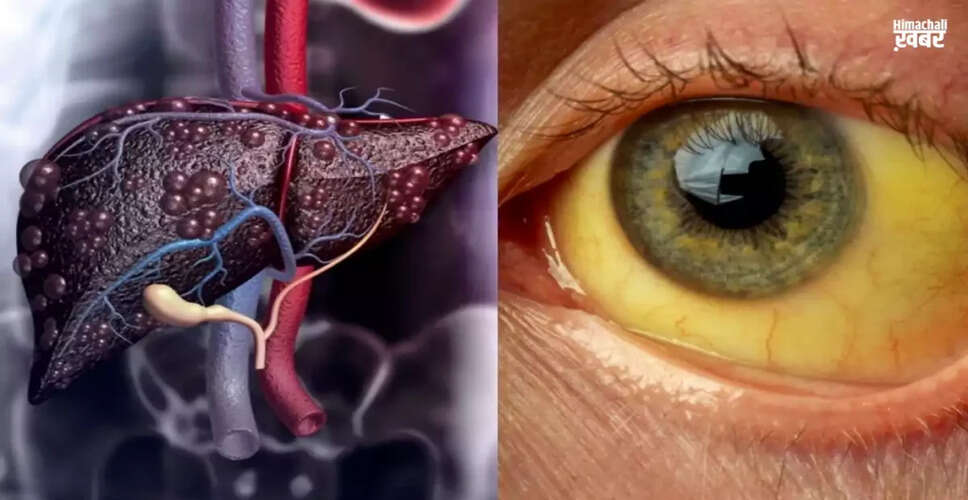
Symptoms may include loss of appetite, weight loss, fatigue, abdominal pain or discomfort, swelling in the legs or abdomen, yellowing of the skin and eyes, itchy skin, dark urine, and pale stools.
Causes of Liver Cirrhosis
Excessive and prolonged alcohol consumption directly harms liver cells, leading to inflammation. Viral infections like hepatitis B can increase the risk of cirrhosis if not treated promptly. Additionally, individuals suffering from obesity and diabetes due to poor diet are at a higher risk. In autoimmune hepatitis, the immune system mistakenly attacks liver cells, resulting in cirrhosis.
Treatment for Cirrhosis
The treatment for cirrhosis depends on its severity and underlying causes. It is crucial to completely abstain from alcohol, take antiviral medications for hepatitis, and maintain a balanced diet along with a healthy lifestyle.
Preventive Measures Against Cirrhosis
To prevent cirrhosis, it is essential to avoid risk factors. This includes limiting alcohol intake, getting vaccinated against hepatitis, managing weight, and undergoing regular liver check-ups. Note: This article is intended for informational purposes only. Always consult a doctor before adopting any health-related advice.
Visual Representation