
Understanding Last Plate Syndrome: The Hidden Health Risks for Mothers

The Everyday Reality of Mothers
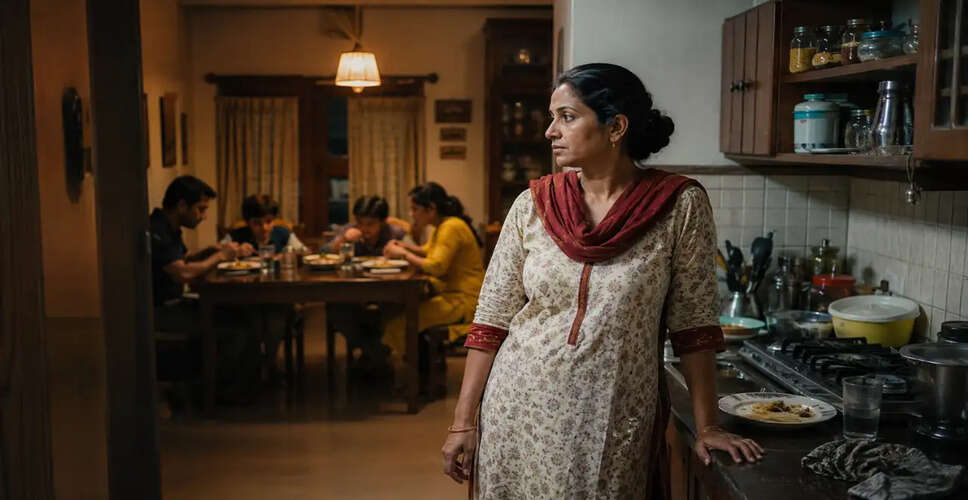
In countless homes, a familiar scene unfolds daily. The meal is steaming, the table is ready, and everyone is gathered. Yet, the mother remains busy—serving, cleaning, and ensuring everyone else is satisfied. By the time she finally sits down, the food has cooled, and her hunger has vanished. This scenario exemplifies what is known as Last Plate Syndrome, a common yet overlooked phenomenon where mothers often eat last, eat the least, or sometimes skip meals altogether.
Cultural Conditioning at Play
It Is Called Conditioning.
This issue isn't merely about women who 'forget' to eat; it's a deeply ingrained habit that has become so normalized that it often goes unnoticed. In various cultures, especially in regions like South Asia, the Middle East, and parts of Africa and Latin America, it is customary for women to eat only after the men and children have been served. What started as a cultural norm has morphed into an unconscious behavior, even in families that consider themselves modern.
A mother working remotely might find herself eating while standing at the kitchen counter between virtual meetings. She may skip breakfast to prepare lunches or nibble on leftovers from her child's plate, all without anyone, including herself, realizing it.
The Hidden Health Consequences
The Health Cost Nobody's Talking About
The implications of chronic undereating and irregular meal patterns can be severe for women's health, often overlooked and hard to identify. Missing meals can elevate cortisol levels, the hormone associated with stress, which paradoxically leads to increased fat accumulation, particularly in the abdominal area. Iron deficiency, a prevalent nutritional issue among women, can worsen significantly when meals are frequently skipped or hurried.
Studies have shown that irregular eating patterns in women are linked to a higher risk of developing type 2 diabetes, thyroid issues, and hormonal imbalances. The profound fatigue that many mothers experience is often not solely due to lack of sleep but is also a result of insufficient caloric and nutritional intake. Mothers often prioritize their family's needs over their own, even during mealtime, and are quick to respond to requests while seated at the table.
On a psychological level, consistently neglecting one's own needs sends a damaging message: that one's worth is less than that of others. Over time, this can erode self-esteem in ways that therapy alone may not resolve if the behavior persists.
Addressing the Issue
The Fix Is Uncomfortable
Addressing Last Plate Syndrome requires more than just eating first, although that is a positive step. It involves confronting the discomfort women often feel when they prioritize their own needs in a setting where others depend on them. It means allowing a child to wait a moment, sitting down before everyone else is served, and enjoying a proper breakfast alone before the day’s chaos begins. Recognizing that a mother who is running on empty is not selfless but rather depleted is crucial. The plate can wait; your health cannot—make it a priority.