
Understanding Kidney Stone Risks for Office Workers in Summer
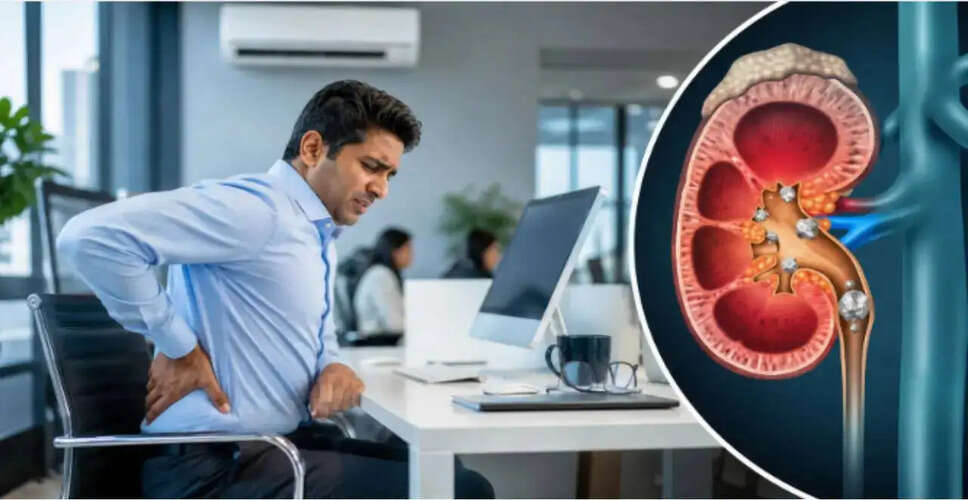

Kidney Stones: A Hidden Threat for Office Workers
While many believe that kidney stones primarily affect those working outdoors, urologists caution that individuals in air-conditioned offices are also at significant risk during hot weather. Dr. Shalabh Agrawal, Director of Urology and Andrology at CK Birla Hospital, highlights that hidden dehydration is a major factor that often goes unnoticed by desk workers. He explains, “The heat causes fluid loss through sweating, even during brief outdoor activities.”
Why Office Workers Are at Risk
Even though office workers spend most of their time in climate-controlled environments, they often neglect to replenish fluids lost during commutes or outdoor errands. Dr. Agrawal notes, "Despite being in an air-conditioned setting, many do not focus on hydrating, leading to concentrated urine with mineral crystals." This concentration increases the chances of minerals like calcium and uric acid crystallizing into kidney stones. The challenge is that dehydration can be subtle indoors, as individuals may not realize they are losing fluids without visible sweating.
The Dehydration Dilemma
Busy work schedules often lead to ignoring thirst cues. Many employees opt for caffeinated drinks or sugary beverages instead of water, which can exacerbate dehydration. Additionally, air-conditioned spaces typically have low humidity, causing gradual fluid loss through respiration and skin, even without sweating. Dr. Agrawal warns that this "invisible dehydration" can elevate the risk of kidney stones.
Dietary Factors Contributing to Kidney Stones
Diet significantly influences kidney stone development. Office workers frequently consume convenience foods high in salt, unhealthy fats, and preservatives. Items like processed snacks, fast food, and sugary drinks can contribute to stone formation. Furthermore, a sedentary lifestyle, common among desk workers, is linked to a higher risk of kidney stones.
Recognizing Symptoms of Kidney Stones
Kidney stones can cause severe pain and may develop without noticeable symptoms until they obstruct urine flow. Key symptoms to watch for include:
- Intense pain in the lower back or side
- Burning sensation during urination
- Presence of blood in urine
- Frequent urge to urinate
- Nausea and vomiting
- Pain that fluctuates
Some individuals may not feel symptoms until the stone moves through the urinary tract.
Preventing Kidney Stones
Dr. Agrawal emphasizes that preventing kidney stones is often simple. He states, “The increased risk of kidney stones in summer isn’t limited to outdoor workers. Those in air-conditioned offices can also become dehydrated if they don’t monitor their water intake. Staying hydrated is crucial for kidney health.”
Effective Hydration Strategies
Drink Sufficient Water
Maintaining hydration throughout the day is vital. Experts suggest drinking enough water to keep urine light yellow or clear.
Set Reminders for Hydration
Utilize phone alarms or hydration apps to remind you to drink water regularly.
Reduce Salt Intake
Lowering sodium consumption can decrease calcium levels in urine, thereby reducing stone formation.
Stay Active
Regular physical activity enhances overall metabolic health and may lower the risk of kidney stones.
Opt for Healthier Snacks
Choose fruits, vegetables, nuts, and other nutrient-dense snacks over processed options.