
Understanding Kidney Health Risks for Women: A Call to Action
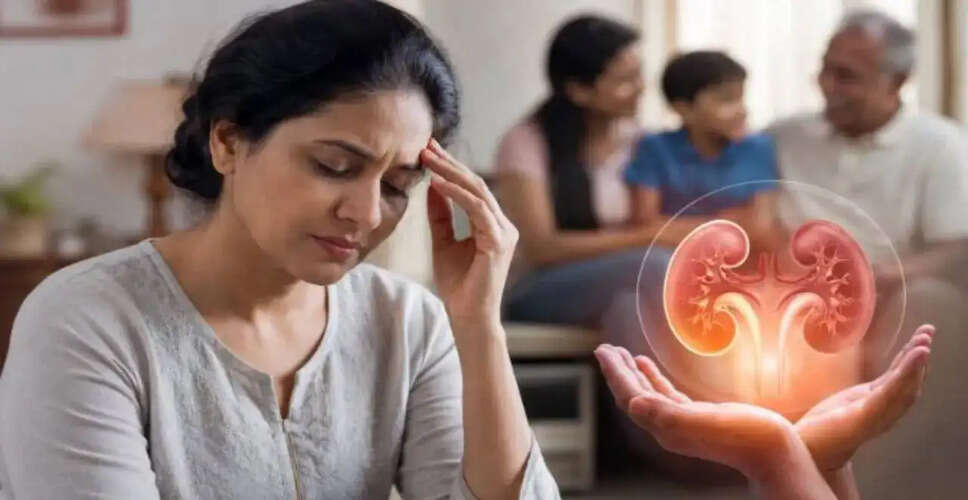

The Silent Struggle of Mothers
Mothers often serve as the emotional and physical foundation of their families, juggling responsibilities that include managing households, careers, and caring for children and elderly relatives. Unfortunately, this often leads to neglecting their own health. Medical professionals are now sounding the alarm about the rising risk of chronic kidney disease among women due to this self-neglect. Dr. Tripti Raheja, who leads Obstetrics and Gynaecology at CK Birla Hospital, emphasizes that kidney health is frequently overlooked in women's healthcare. She notes, “Many women tend to dismiss symptoms like fatigue, foot swelling, recurrent urinary infections, changes in urination, or ongoing weakness as mere signs of tiredness related to motherhood, work stress, or hormonal fluctuations. However, these symptoms can sometimes indicate serious kidney issues that go unnoticed for years.”
Why Are Women More Susceptible to Kidney Disease?
Experts indicate that women are biologically and medically more susceptible to kidney-related issues. Factors such as frequent urinary tract infections (UTIs), hormonal fluctuations, autoimmune diseases, complications during pregnancy, diabetes, and hypertension can elevate the long-term risk of kidney damage. Dr. Vikram Kalra, Principal Director of Nephrology and Kidney Transplant at Aakash Healthcare Super Speciality Hospital, warns that untreated or recurring UTIs can lead to serious complications by spreading to the kidneys. He explains, “Due to anatomical differences, women are more vulnerable to bacterial infections in the urinary tract. If these infections are recurrent or untreated, they can ascend and impact the kidneys, resulting in severe complications.”
Symptoms Often Overlooked by Women
Chronic Kidney Disease is often referred to as a “silent disease” because symptoms may only manifest after significant damage has occurred. Dr. Kalra advises that women should not ignore signs such as:
- Swelling in the feet or around the eyes
- Frequent urination, particularly at night
- Burning sensation during urination
- Presence of blood in urine
- Persistent fatigue or weakness
- Decreased urine output
- Loss of appetite or feelings of nausea
- High blood pressure
- Chronic body pain or exhaustion
“Many women misinterpret early warning signs as mere tiredness or routine fatigue,” he adds.
Lifestyle Choices Impacting Kidney Health
Daily habits can gradually increase strain on the kidneys. Many women skip meals, do not drink enough water, postpone bathroom breaks, sacrifice sleep, and neglect regular health check-ups due to family obligations. Experts caution that uncontrolled diabetes, obesity, hypertension, chronic dehydration, stress, and excessive painkiller use can slowly impair kidney function. Dr. (Lt. Col) Leena N Sreedhar, Chairman of Obstetrics and Gynaecology at Manipal Hospitals, points out that emotional burnout, anxiety, poor sleep, thyroid disorders, anemia, and postpartum complications often go unnoticed in mothers. “Women undergo significant physical and hormonal changes after childbirth, yet they frequently overlook postpartum care once their child becomes their primary focus. Conditions like anemia, thyroid imbalances, pelvic floor weakness, and postpartum depression are often ignored, leading mothers to endure pain,” she explains.
Protecting Kidney Health: Essential Steps
Healthcare professionals assert that prevention and early detection can greatly diminish the risk of severe kidney disease. Recommendations include:
- Staying adequately hydrated
- Regularly monitoring blood pressure and blood sugar levels
- Engaging in daily exercise
- Maintaining a healthy weight
- Limiting salt intake
- Avoiding self-medication and overuse of painkillers
- Undergoing routine urine and kidney function tests
Women over 35, as well as those with diabetes, hypertension, autoimmune disorders, pregnancy complications, kidney stones, or a family history of kidney disease, should have regular kidney screenings. This Mother's Day, healthcare providers suggest that the most meaningful gift may not be flowers, but rather encouraging mothers to prioritize their health, as they deserve care just as much as those they care for.