
Understanding Ischemic Stroke: Urgency in Treatment Can Save Lives
The Critical Nature of Stroke Emergencies
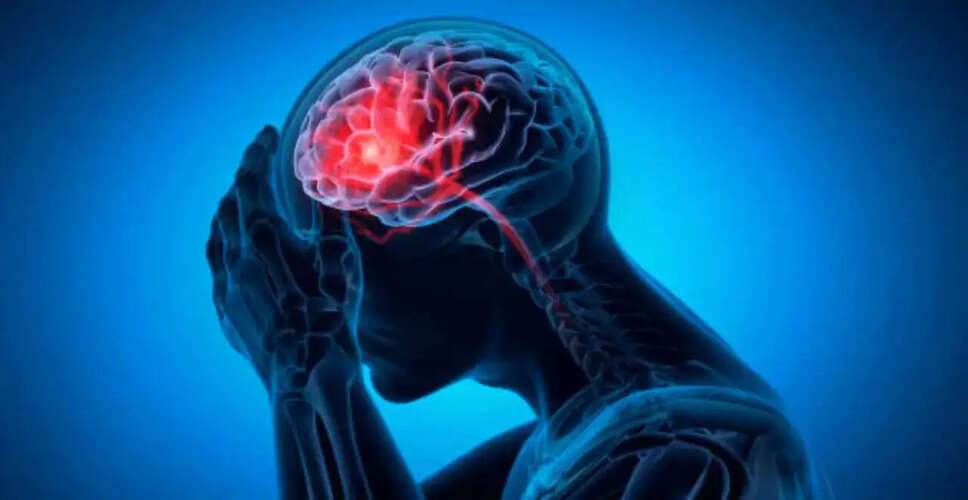
Strokes represent a significant medical emergency, often occurring unexpectedly and leading to rapid, irreversible brain damage. Medical professionals highlight that ischemic strokes, which make up nearly 70% of all stroke cases, occur when a blood vessel becomes blocked, depriving brain cells of essential oxygen and glucose. If treatment is not administered promptly, over 1.9 million neurons can perish every minute. Dr. Sharad Kumar GG, a Consultant in Neurointervention at Manipal Hospital, emphasizes that these strokes can be effectively treated with modern neurointerventional techniques, provided patients reach the appropriate medical facility swiftly.
Ischemic Stroke and Its Impact on the Brain
Understanding Ischemic Stroke and Brain Damage
An ischemic stroke occurs when a clot obstructs a major artery that supplies blood to the brain. This blockage leads to an immediate loss of oxygen, causing brain cells to die almost instantly. The damage extends beyond neurons, resulting in the loss of billions of synapses and extensive nerve fibers, which can severely impair critical functions such as movement, speech, and memory. This urgency is why medical professionals stress the importance of the 'golden hour' for stroke treatment, typically within the first 4.5 to 6 hours after symptoms manifest. Quick medical intervention, like mechanical thrombectomy, can restore blood flow and significantly mitigate long-term damage.
The Importance of Timely Treatment
Dr. Sharad expresses concern over the lack of awareness surrounding strokes, noting that patients often arrive late because families mistakenly believe symptoms will subside or are unsure of where to seek help. In stroke care, every minute counts, with each passing moment resulting in the loss of 2 million neurons. He stresses that even with the best medical team and technology, delays can lead to irreversible damage if patients do not arrive within the critical time frame.
Real-Life Examples of Swift Action
Real-life Stroke Cases Show the Power of Fast Action
Recent cases shared by Dr. Sharad illustrate the life-saving potential of prompt stroke treatment:
- An elderly woman who experienced a second stroke was brought to the hospital within minutes, allowing doctors to successfully remove a large clot, leading to her recovery of speech and mobility.
- A 46-year-old woman with severe anemia developed a significant clot extending to her brain. Rapid intervention restored blood flow, giving her a strong chance for recovery.
- A healthy 52-year-old man with no prior risk factors suffered a sudden stroke, but quick treatment prevented severe, permanent brain damage.
These instances highlight that strokes can affect anyone, regardless of age or health background.
The Dangers of Left Hemisphere Strokes
Why is a Stroke in the Left Brain More Dangerous?
The brain consists of two hemispheres, each responsible for different functions. A stroke in the left hemisphere, which controls the right side of the body, poses particular risks as it can impair language and communication abilities. Dr. Sharad explains that patients may not only lose movement but also develop aphasia, a condition that hinders their ability to speak, understand language, or express thoughts. This condition can severely impact both physical health and overall quality of life.
Recognizing Stroke Symptoms
Common Stroke Symptoms You Must Not Ignore
Identifying stroke symptoms early can be life-saving. Key signs to watch for include:
- Sudden weakness or numbness, particularly on one side of the body
- Difficulty speaking or understanding speech
- Sudden confusion or loss of balance
- Severe headache with no known cause
- Vision problems in one or both eyes
Prevention and Awareness
Prevention and Awareness Are the Keys
While some strokes occur without identifiable risk factors, many are associated with conditions such as high blood pressure, heart disease, diabetes, and unhealthy lifestyle choices. Experts emphasize the importance of raising awareness about stroke symptoms, risk factors, and the necessity for timely treatment. Maintaining a healthy lifestyle, adhering to prescribed medications, and acting swiftly during emergencies can significantly lower the risk of severe outcomes.