
Understanding Hypertension: The Silent Threat to Your Health

The Hidden Dangers of High Blood Pressure
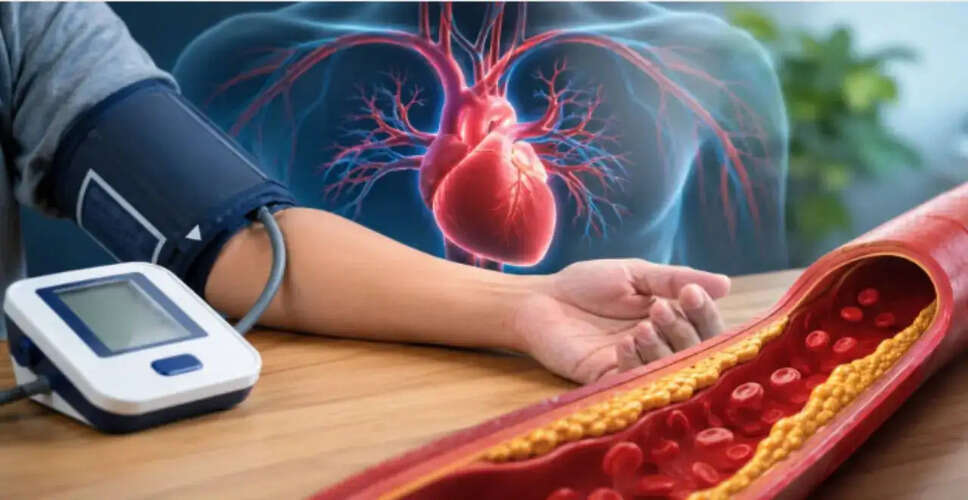
High blood pressure, commonly referred to as hypertension, is often labeled the "silent killer" due to its ability to inflict harm without noticeable symptoms for extended periods. Many individuals only realize they have hypertension after experiencing severe health issues like heart attacks, strokes, or kidney problems. Experts emphasize that hypertension does not appear suddenly; rather, it develops gradually, with subtle changes occurring in the blood vessels and cardiovascular system long before readings become alarming. Dr. Aravind Badiger, Technical Director at BDR Pharmaceuticals International Pvt Ltd, highlights the importance of recognizing these early signs and adopting a heart-healthy lifestyle to mitigate future health risks. He states, “Hypertension rarely develops suddenly; before one suffers from high blood pressure, certain changes may be happening in his or her blood vessels. Therefore, people should take certain steps to reduce the risk of heart disease development.”
Subtle Changes Leading to High Blood Pressure
Even in the absence of symptoms, your body may experience gradual changes that can lead to hypertension.
Loss of Elasticity in Blood Vessels
Healthy arteries are flexible, allowing smooth blood flow. However, factors such as aging, poor nutrition, smoking, and inactivity can cause blood vessels to become stiff. This rigidity forces the heart to exert more effort, gradually elevating blood pressure.
Inflammation and Blood Vessel Damage
Chronic inflammation can harm the inner lining of blood vessels, known as the endothelium. When blood vessels are damaged, they narrow and become less effective at managing blood flow, creating conditions conducive to hypertension. Dr. Badiger notes, “As a result of inflammation, the lining of blood vessels may be damaged.”
Excess Sodium and Fluid Retention
A sodium-rich diet can lead to fluid retention, increasing the volume of blood and consequently raising arterial pressure. Processed foods, snacks, and restaurant meals often contain hidden salts that contribute to this issue.
Impact of Obesity and Sedentary Lifestyle
Carrying excess weight puts additional pressure on the heart and circulatory system. When combined with a lack of physical activity, obesity significantly heightens the risk of hypertension, diabetes, and heart disease.
Chronic Stress and Blood Pressure
Ongoing emotional stress triggers hormones that temporarily elevate blood pressure. If stress persists, these frequent spikes can lead to long-term hypertension and cardiovascular damage.
Importance of Early Detection
One of the primary risks associated with hypertension is its tendency to go undetected until serious complications arise. Dr. Badiger emphasizes that regular blood pressure checks can reveal elevated levels before symptoms manifest, enabling healthcare providers to suggest lifestyle modifications or medications as needed. Early detection can significantly lower the risk of:
- Heart attacks
- Strokes
- Heart failure
- Chronic kidney disease
- Vision issues
- Blood vessel damage
Preventing High Blood Pressure
Experts advocate for several effective lifestyle practices to help maintain healthy blood pressure:
- Regularly monitor your blood pressure, especially if hypertension runs in your family.
- Adopt a heart-healthy diet rich in fruits, vegetables, whole grains, legumes, and low-fat dairy.
- Limit intake of salt, processed foods, sugary drinks, and saturated fats.
- Engage in at least 150 minutes of moderate exercise weekly.
- Maintain a healthy weight.
- Ensure quality sleep and consult a doctor for ongoing sleep issues.
- Avoid smoking and limit alcohol consumption.
- Manage stress through meditation, yoga, deep breathing, or regular physical activity.
This article is intended for informational purposes only and should not replace professional medical advice.