
Understanding Hypertension: The Silent Health Threat in India

Hypertension: A Growing Concern
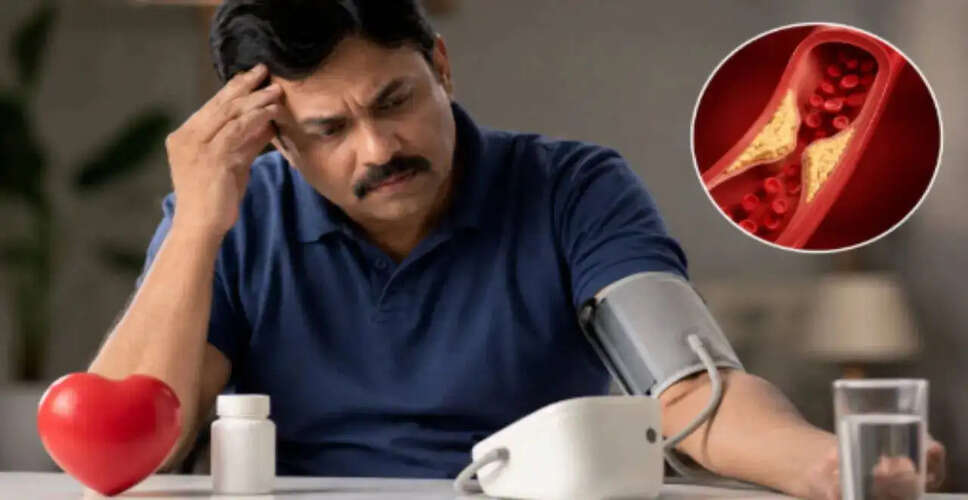
Hypertension, commonly referred to as high blood pressure, is increasingly recognized as a significant health risk in India. Cardiologists emphasize that despite heightened awareness, persistent myths surrounding hypertension hinder timely diagnosis and treatment, elevating the chances of severe health issues like heart attacks, strokes, and kidney diseases. Dr. Refai Showkathali, a Consultant Cardiologist at Apollo Hospitals, notes that many individuals still lack a clear understanding of how hypertension arises and the importance of early detection. He stated, “Even with widespread awareness, misconceptions continue to exist, leading to delays in diagnosis and treatment adherence, which ultimately heightens long-term risks.” The Health of the Nation 2026 report from the hospital revealed that a considerable number of individuals screened during preventive health assessments exhibited elevated blood pressure or undiscovered cardiovascular risks.
“A significant portion of those screened had either high blood pressure or related health risks, many of whom were previously unaware of their condition. Alarmingly, there is a clustering of other non-communicable diseases that exacerbate damage to vital organs such as the heart, brain, kidneys, and eyes,” Dr. Showkathali added.
Why Hypertension is Labeled the 'Silent Killer'
Why is hypertension called the “silent killer”?
A prevalent myth about hypertension is the belief that individuals will experience symptoms when their blood pressure becomes dangerously high. Medical professionals clarify that this notion is incorrect. High blood pressure often remains asymptomatic, even at critical levels. Many patients only discover their condition during routine health check-ups or after experiencing severe complications. Symptoms such as headaches, dizziness, chest pain, or shortness of breath may only manifest after significant damage has occurred to blood vessels and organs. This underscores the necessity of regular blood pressure monitoring as a vital preventive health strategy.
Rising Risk Among Younger Populations
Younger Indians are increasingly at risk
Healthcare professionals caution that hypertension is no longer confined to older adults. Factors such as sedentary lifestyles, inadequate sleep, chronic stress, obesity, smoking, and the consumption of processed foods are contributing to blood pressure issues among younger individuals, including those in their 30s. Apollo’s report indicates that nearly 25% of working-age adults screened were found to have hypertension, with many younger individuals identified as having 'prehypertension'—a precursor to future heart disease. Experts attribute this trend to stress, lack of physical activity, and a high intake of ultra-processed foods laden with sodium, unhealthy fats, and refined carbohydrates.
The Complexity of Hypertension
Reducing salt alone is not enough
While excessive salt consumption is known to elevate blood pressure, cardiologists assert that hypertension is a multifaceted condition influenced by various factors. Issues such as poor sleep, chronic stress, obesity, diabetes, high cholesterol, lack of physical activity, and genetics can all play a role. Many patients mistakenly believe that simply reducing salt intake will resolve their hypertension, neglecting other lifestyle risks like weight gain, inactivity, alcohol use, smoking, and metabolic health. Dr. Showkathali warns, “Hypertension is a complex condition, and focusing solely on salt can create a false sense of security. It’s crucial to recognize that the concern extends beyond the salt added to home-cooked meals to include hidden sodium in packaged and ultra-processed foods like chips, instant meals, processed meats, sauces, and ready-to-eat products.”
Understanding Treatment and Management
Controlled blood pressure does not mean cure
Another widespread misconception is that patients can discontinue blood pressure medication once their readings improve. Experts caution that controlled blood pressure signifies effective management, not a permanent solution. Abruptly stopping medication without consulting a healthcare provider can lead to dangerous rebound hypertension, significantly increasing the risk of stroke or heart attack. Dr. Showkathali explains, “Fluctuating or poorly managed blood pressure can be just as detrimental as consistently high levels, as it places repeated strain on blood vessels.”
The Broader Impact of Hypertension
Hypertension affects your entire body
Many individuals associate hypertension solely with heart disease; however, specialists emphasize that chronic high blood pressure can harm multiple organs over time. Potential complications include strokes, kidney disease, heart failure, vision impairment, arterial damage, and cognitive decline. Given that this damage often occurs silently, experts highlight the critical importance of early screening and preventive healthcare.