
Understanding Hepatitis: The Silent Threat to Liver Health
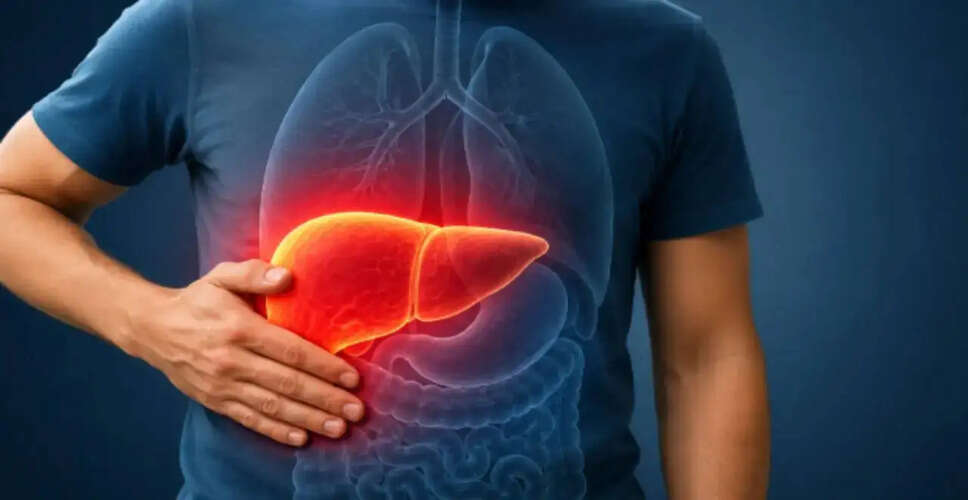

The Hidden Dangers of Hepatitis
Many individuals believe that feeling healthy indicates their liver is functioning properly. However, medical professionals caution that chronic hepatitis B and C can silently inflict damage on the liver for years without any obvious symptoms. By the time symptoms emerge, irreversible harm may have already occurred. Experts are now advocating for earlier screening for hepatitis, particularly as the landscape of liver diseases shifts due to rising obesity, diabetes, and fatty liver conditions. Dr. Sudeep Khanna, a Senior Consultant in Gastroenterology, emphasizes, “Liver disease is evolving, yet one persistent issue is that viral hepatitis is frequently diagnosed too late. Since hepatitis B and C can progress without symptoms, early screening is crucial to identify the disease before it leads to irreversible liver damage.”
Why is Hepatitis Known as a Silent Disease?
Hepatitis refers to liver inflammation, primarily caused by viral infections like hepatitis B and C. Unlike many other illnesses, these infections can remain asymptomatic for extended periods. During this silent phase, the viruses continue to harm liver cells, leading to fibrosis (scarring), cirrhosis, and potentially liver cancer. Because symptoms typically manifest late, routine blood tests are the most effective method for detecting infections before severe complications arise.
Who Should Undergo Hepatitis Testing?
Healthcare providers recommend hepatitis screening for individuals at higher risk of liver disease or viral infections. This includes those with diabetes, obesity, metabolic dysfunction-associated steatotic liver disease, a family history of liver issues, prior blood transfusions, kidney dialysis, unsafe injections, unprotected sexual exposure, and pregnant women. Dr. Khanna notes, “Early diagnosis allows healthcare professionals to assess liver damage and plan appropriate treatment.”
The Changing Landscape of Liver Disease
While viral hepatitis continues to be a significant cause of liver disease, there is a notable increase in conditions such as MASLD, obesity, type 2 diabetes, and alcohol-related liver disease. These conditions may occur independently or alongside chronic hepatitis B or C. Their coexistence significantly heightens the risk of liver scarring, cirrhosis, and liver cancer, underscoring the importance of early hepatitis testing.
Distinguishing Fatty Liver from Hepatitis
Many people confuse fatty liver disease with hepatitis, but they are distinct conditions. Fatty liver disease arises when excess fat accumulates in the liver, often due to obesity, diabetes, poor diet, or lack of physical activity. Conversely, hepatitis is liver inflammation caused by viral infections, alcohol, medications, or autoimmune disorders. Although both can harm the liver, chronic hepatitis B and C pose a particularly high risk of progressing to liver cancer if not treated.
Is Hepatitis Treatable?
Fortunately, liver cancer resulting from hepatitis is often preventable. Vaccination against hepatitis B is safe and highly effective. Regular screenings, timely antiviral treatments, and ongoing liver monitoring can significantly lower the risk of cirrhosis and liver cancer, according to Dr. Ashwin Rajbhoj from M|O|C Cancer Care. He adds, “Maintaining a healthy weight, managing diabetes, exercising regularly, and limiting alcohol consumption can also help prevent and reverse early-stage fatty liver disease.” While hepatitis B typically requires long-term antiviral treatment, hepatitis C can often be cured in most patients with modern direct-acting antiviral medications. Doctors can evaluate liver damage through blood tests and imaging, guiding treatment and long-term care.
Protecting Your Liver: Essential Steps
Experts suggest several straightforward measures to minimize your risk:
- Get vaccinated against hepatitis B.
- Consult your doctor about hepatitis screening if you have risk factors.
- Ensure blood transfusions and injections are conducted safely.
- Avoid sharing needles or personal items like razors.
- Practice safe sex.
- Maintain a healthy weight.
- Engage in regular physical activity.
- Manage diabetes and high cholesterol.
- Limit alcohol consumption.