
Understanding Hemorrhoids: Types, Symptoms, and Home Remedies
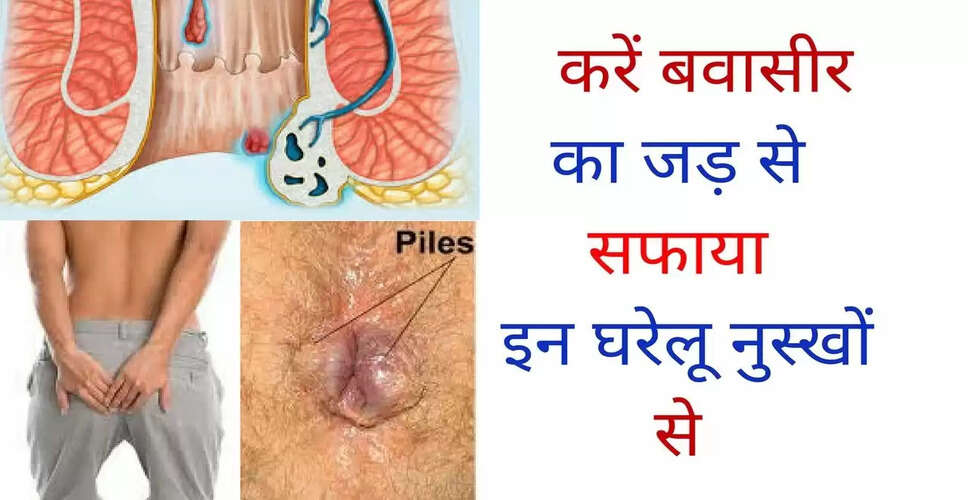

Introduction to Hemorrhoids
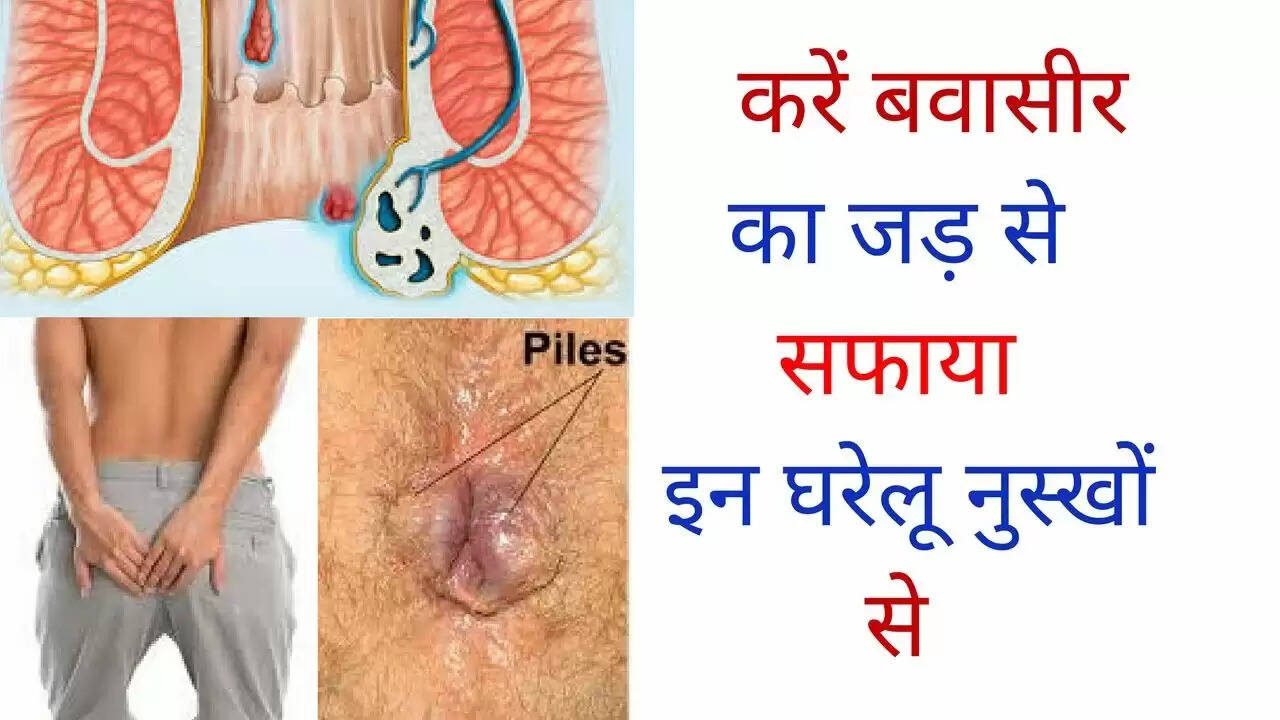
Hemorrhoids, a painful condition, can be classified into two types: bleeding and non-bleeding. If left untreated, this condition can lead to significant discomfort.
What Are Hemorrhoids?
Hemorrhoids occur at the anal opening, causing pain during bowel movements and sometimes leading to bleeding. This condition can manifest as lumps or swellings around the anal area, causing distress. Let's explore this condition in detail and discuss potential remedies.
Bleeding Hemorrhoids
Bleeding hemorrhoids typically do not cause pain, but they can lead to blood loss during bowel movements, which may increase over time. The presence of blood can be alarming. In this type, a lump may form inside the anal canal, which can get irritated during bowel movements, resulting in bleeding. You may feel a lump when you touch it, and it usually retracts after a bowel movement.
Non-Bleeding Hemorrhoids
Non-bleeding hemorrhoids can be quite serious. This type often leads to digestive issues and constipation, as the lump forms internally and can develop into an ulcer over time. If left untreated, chronic hemorrhoids can lead to more severe conditions, including the risk of cancer. Therefore, it is crucial not to ignore this condition and seek prompt treatment.
Home Remedies for Hemorrhoids
Effective Treatments:
- Mix turmeric with bitter gourd oil and apply it to the affected area to help reduce the swelling.
- Applying a paste made from neem leaves and oleander leaves can effectively eliminate the lumps.
- Using a paste of calotropis and moringa leaves can also help in treating the lumps.
- Some hemorrhoids may be caused by irregular sleep patterns; correcting your sleep schedule can lead to improvement within days.