
Understanding Heat Pockets and Their Impact on Heart Health
The Rise of Heat Pockets in Urban Areas
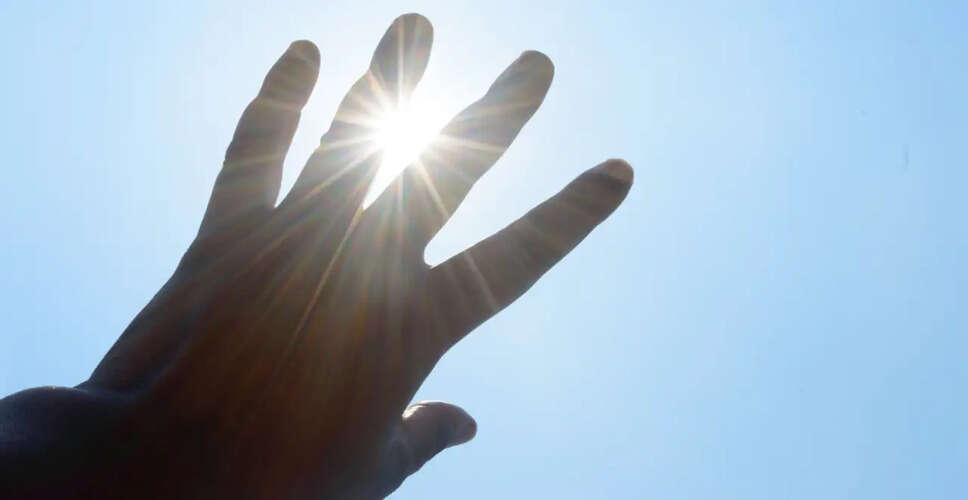
As summer approaches in many northern regions, the heat is set to intensify. Stepping outside from April to June, you may notice the air feels unusually heavy. Even during late-night hours, the warmth seems to linger, trapped between buildings. This phenomenon, referred to as a “heat pocket,” represents a localized area where temperatures remain elevated compared to surrounding regions. While it may seem merely uncomfortable, experts caution that these heat pockets can significantly stress the human heart.
Defining a Heat Pocket
What Is a Heat Pocket?
A heat pocket is essentially a neighborhood-specific manifestation of the Urban Heat Island effect, where dense urban infrastructure absorbs and retains heat throughout the day. Materials such as concrete, asphalt, and glass function like thermal batteries, capturing sunlight during the day and gradually releasing it after sunset, which inhibits natural cooling.
Recent studies indicate that certain urban areas in India are now several degrees warmer than adjacent greener spaces, particularly in neighborhoods lacking sufficient tree cover or water bodies. Factors like narrow streets, heavy traffic, and clusters of air conditioning units exacerbate the situation by adding more heat to the already warm air. Consequently, this creates a microclimate where evenings remain uncomfortably warm, depriving residents of the natural cooling period essential for bodily recovery.
The Impact of Elevated Night Temperatures on Heart Health
How Warm Nights Affect the Heart
Cooler nighttime temperatures are crucial for regulating body heat and allowing the cardiovascular system to recuperate from the stresses of the day. When nights are warm, the heart must exert more effort for extended periods. This is largely due to thermoregulation; to cool down, the heart increases blood flow to the skin, facilitating heat loss through sweat. However, in high heat and humidity, this process becomes less effective, as sweat does not evaporate efficiently, leading the heart to pump even faster. Additionally, heat exposure can cause dehydration, thickening the blood and requiring the heart to work harder to circulate it, thereby increasing strain on the cardiovascular system.
For individuals with pre-existing heart conditions, hypertension, diabetes, or obesity, this added strain can elevate the risk of heart attacks, arrhythmias, and heat-related illnesses.
Why Some Areas Experience More Heat
Factors Contributing to Heat Pockets
Heat pockets are especially prevalent in densely populated urban areas with limited green spaces. Regions dominated by glass buildings, metal roofs, or closely packed housing tend to trap heat more effectively than those with ample greenery. Urban planning experts often highlight the absence of “blue-green spaces,” such as parks, lakes, and trees, as a significant factor in the dramatic temperature increases in certain areas. Even a small distance can result in temperature variations of several degrees.
Tips for Protecting Heart Health During Heat Waves
How to Safeguard Your Heart in High Temperatures
While comprehensive solutions require improved city planning and increased urban greenery, individuals can take proactive measures to mitigate heat stress:
- Stay hydrated throughout the day.
- Avoid strenuous outdoor activities during peak afternoon heat.
- Enhance ventilation and shade in your home.
- Monitor humidity levels in addition to temperature.
- Take breaks to cool down if you feel dizzy, fatigued, or experience a rapid heartbeat.
Heat is no longer just a seasonal nuisance. As urban temperatures rise and heat pockets become more prevalent, maintaining heart health increasingly relies on how effectively we manage our living environments.