
Understanding Heart Stents: Risks and Recovery Insights
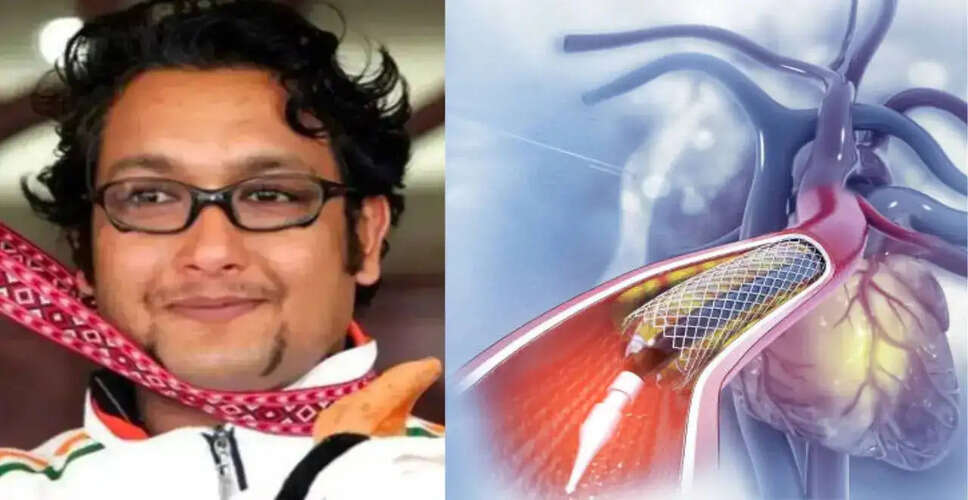

Heart Health Concerns Raised by Jaspal Rana's Passing
The recent death of Jaspal Rana, a former shooter and coach, has ignited conversations about heart health and the role of cardiac stents. Reports indicate that the 49-year-old underwent a heart procedure at a hospital in Delhi last week to address a stent issue after returning from the shooting World Cup in Munich. He tragically passed away from a heart attack this morning. This incident has led many to question the reliability of heart stents. Cardiologists affirm that while stents are generally safe and effective, complications can arise, making ongoing monitoring and lifestyle adjustments crucial.
What Exactly is a Heart Stent?
What is a heart stent?
A heart stent is a small mesh tube that is placed in a narrowed or blocked coronary artery during a procedure called angioplasty. This device helps maintain the artery's openness, facilitating unobstructed blood flow to the heart muscle. Each year, millions globally undergo stent placements to manage coronary artery disease, alleviate angina, and decrease heart attack risks.
Potential for Stent Failure
Can a heart stent fail?
Yes, heart stents can fail, although such occurrences are relatively rare. One prevalent complication is restenosis, where scar tissue forms within the stent, leading to artery narrowing once again. Although advancements in drug-eluting stents have significantly mitigated this risk, it remains a possibility. Another serious issue is stent thrombosis, which involves a blood clot forming inside the stent. While infrequent, this condition can provoke a heart attack and may become life-threatening without immediate intervention.
Recognizing Warning Signs
Warning signs you must not ignore
Individuals who have had angioplasty or stent placement should seek immediate medical help if they experience:
- Chest pain or pressure
- Shortness of breath
- Excessive sweating
- Dizziness or fainting
- Pain radiating to the arm, neck, jaw, or back
- Sudden fatigue or weakness
These symptoms may indicate compromised blood flow to the heart and should never be overlooked.
Factors Contributing to Stent Complications
Why do stent complications happen?
Various factors can elevate the risk of complications following a heart stent procedure, including non-adherence to prescribed blood-thinning medications, smoking, uncontrolled diabetes, high cholesterol, hypertension, obesity, and insufficient physical activity. Medical professionals stress that a stent is not a definitive cure for heart disease; rather, it is part of a comprehensive treatment strategy that encompasses medication, regular check-ups, and lifestyle changes.
Post-Stent Procedure Life
Life after a heart stent procedure
To minimize the risk of future heart issues, patients are encouraged to:
- Adhere strictly to prescribed medications
- Maintain a heart-healthy diet
- Engage in regular exercise post-medical clearance
- Avoid tobacco use
- Effectively manage stress
- Regularly monitor blood pressure, cholesterol, and blood sugar levels
Additionally, routine follow-up appointments enable healthcare providers to identify potential problems early and ensure the stent is functioning correctly. While heart stents have revolutionized the treatment of coronary artery disease and saved numerous lives, it is essential for patients to recognize that they are not a permanent solution. Although complications like restenosis and stent thrombosis are uncommon, they can occur. The key to long-term success lies in adhering to medication, making healthy lifestyle choices, and undergoing regular medical evaluations. Early recognition of warning signs and prompt medical attention can significantly prevent severe cardiac events.