
Understanding Heart Stent Complications and Prevention Strategies
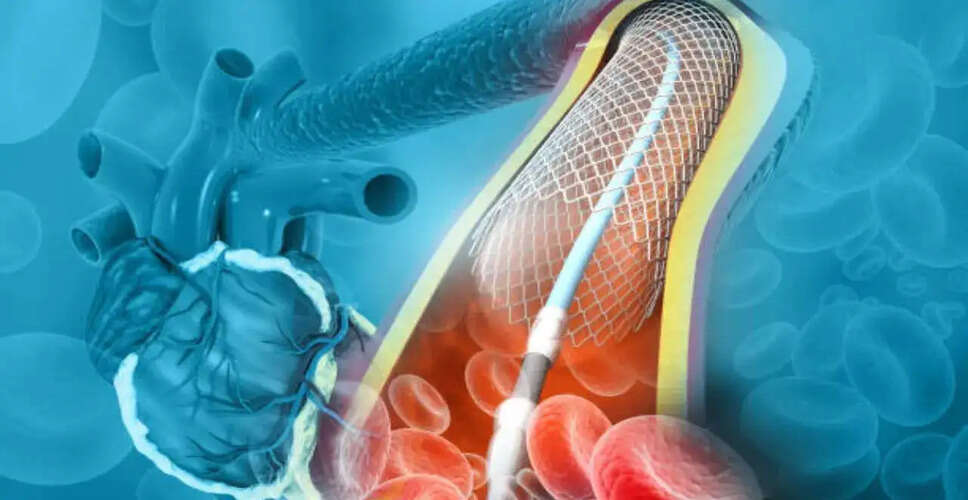

The Role of Heart Stents in Treating Coronary Artery Disease
Heart stents have revolutionized the management of coronary artery disease (CAD) by restoring blood flow and reducing the risk of heart attacks. However, patients may be surprised to discover that a stented artery can sometimes become blocked again over time. Understanding the reasons behind this phenomenon and the available treatments can be crucial for patient health. Dr. Tanmai Yermal Jain, a cardiologist at Manipal Hospital, emphasizes that symptoms such as shortness of breath or chest pain can reappear months or even years after stenting, raising the critical question: can a previously stented artery become blocked again, and if so, can it be reopened?
Reasons for Stent Failure
Why Do Heart Stents Fail?
A stent is a small metal mesh tube inserted into a narrowed artery to keep it open. While modern drug-eluting stents are quite effective, they are not infallible. Common causes of stent failure include:
Restenosis
This occurs when scar tissue forms inside the stent, leading to a gradual narrowing of the artery.
Progression of Atherosclerosis
New blockages may develop in other sections of the artery.
Stent Thrombosis
A blood clot can form within the stent, potentially blocking blood flow and causing a heart attack. Despite advancements in medications and technologies that have lowered these risks, complications can still arise months or years post-procedure. Dr. Jain notes that stent thrombosis remains a medical emergency, even though it is becoming less frequent due to modern anti-thrombotic treatments.
Recognizing Warning Signs
Warning Signs You Must Never Ignore
One of the greatest risks is overlooking recurring symptoms. If you have previously had a stent, be vigilant for signs such as chest pain or tightness during physical activity, breathlessness, unusual fatigue, and decreased exercise tolerance. Experts suggest that these symptoms may resemble those experienced prior to the initial procedure. Dr. Jain advises that early evaluation can help prevent more severe cardiac events.
Treatment Options for Blocked Stents
Can a Blocked Stent Be Treated Again?
The good news is that a previously stented artery can often be reopened. Advances in interventional cardiology enable doctors to treat re-blocked arteries with precision. Treatment options include:
- Balloon angioplasty to expand the narrowed area
- Inserting a new stent within the existing one
- Using drug-coated balloons to minimize the risk of re-narrowing
Additionally, advanced imaging techniques such as intravascular ultrasound (IVUS) or optical coherence tomography (OCT) can help identify specific issues within the artery.
When Surgery Becomes Necessary
When Is Surgery Needed?
In more complicated cases, repeat procedures may not suffice, making coronary artery bypass grafting (CABG) the preferred option. CABG creates an alternative pathway for blood flow around the blocked artery, particularly when multiple stents have failed or when there are extensive blockages affecting several coronary arteries. Dr. Jain emphasizes that long-term success after stenting relies on more than just the procedure; regular follow-ups with a doctor are essential. Managing risk factors such as diabetes, hypertension, and cholesterol is crucial, and patients should adhere to prescribed medications, especially blood thinners.
Preventing Stent Failure
How to Prevent Stent Failure?
Long-term success following stenting is significantly influenced by lifestyle choices and medical care. Here are some strategies to lower your risk:
- Adhere to prescribed medications, particularly blood thinners
- Manage risk factors like diabetes, hypertension, and cholesterol levels
- Maintain a heart-healthy diet
- Engage in regular physical activity
- Avoid smoking
- Effectively manage stress