
Understanding Hantavirus: Key Facts and Prevention Strategies

Hantavirus: A Growing Concern
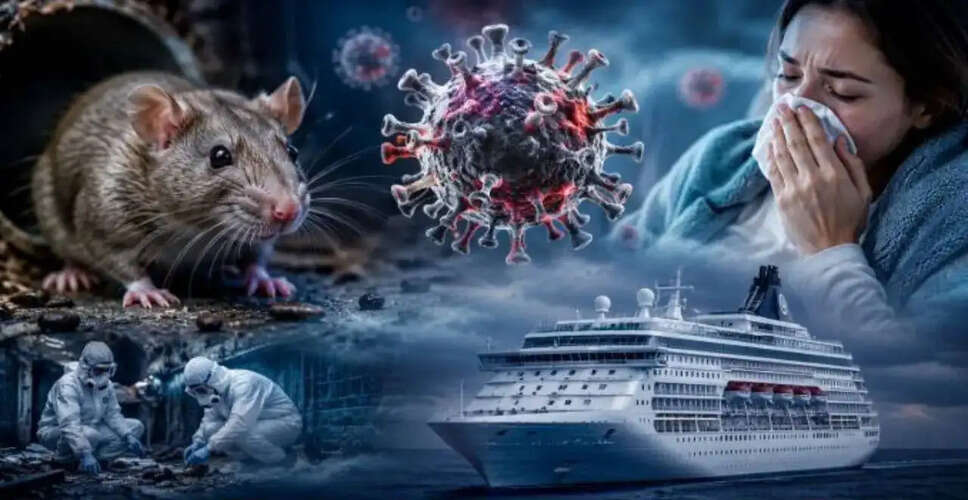
As the world becomes increasingly aware of rare infectious diseases, Hantavirus has gained significant attention. Although it is not common, it can lead to severe, life-threatening conditions, making awareness crucial. Recently, the World Health Organization (WHO) confirmed two cases of hantavirus aboard a luxury cruise ship, with five additional cases currently under investigation. The vessel was en route from Argentina to Cape Verde, an island group off West Africa. Initially, hantavirus symptoms resemble those of the flu, including fatigue, fever, chills, and body aches. However, as the virus progresses, it can severely impact the heart, lungs, or kidneys, leading to serious respiratory issues, organ failure, and potentially death. The WHO has stated that there is no immediate cause for alarm and that the risk to the general public remains low, yet experts are puzzled about how the virus spread on the cruise ship.
Essential Information About Hantavirus
What is Hantavirus?
Hantavirus encompasses a group of viruses primarily transmitted by rodents, capable of causing severe illnesses such as Hantavirus Pulmonary Syndrome, which primarily affects the lungs.
Transmission Methods
The virus is transmitted through contact with the urine, droppings, or saliva of infected rodents. Inhalation of contaminated dust particles in enclosed areas can also lead to infection.
Human Transmission is Rare
Unlike many other viral infections, hantavirus is not typically spread from person to person. Most infections are directly linked to exposure to rodents.
Initial Symptoms Resemble the Flu
Early symptoms often include fever, fatigue, muscle pain, and headaches, making it challenging to detect without appropriate testing.
Rapid Progression to Severe Illness
As the disease advances, it can result in coughing, shortness of breath, and fluid accumulation in the lungs, characteristic of Hantavirus Pulmonary Syndrome.
High Mortality Rates
Though rare, hantavirus infections can be fatal, with some strains having mortality rates as high as 30 to 40 percent, underscoring the importance of prompt medical attention.
No Specific Cure Available
Currently, there is no specific antiviral treatment for hantavirus. Severe cases often require supportive care, including oxygen therapy and hospitalization.
Prevention Strategies
The most effective way to prevent hantavirus infection is to minimize exposure to rodents. This includes sealing homes, maintaining cleanliness, and avoiding areas infested with rodents.
Increased Risk in Certain Environments
Individuals living or working in rural settings, farms, or poorly ventilated spaces face a higher risk. Cleaning dusty areas without proper protection can also elevate exposure levels.
Importance of Awareness
Being informed about the symptoms and transmission of hantavirus can facilitate early diagnosis and treatment, thereby reducing the risk of severe complications. Recent hantavirus cases have drawn global attention, highlighting that even rare diseases can pose significant threats. Public health experts stress the need for awareness, particularly as environmental changes and human-wildlife interactions increase. While hantavirus remains uncommon, it should not be overlooked. Early recognition of symptoms, minimizing exposure, and seeking timely medical care can be life-saving. Experts assert that staying informed is your best defense, as knowledge is not just power but also protection.