
Understanding Hantavirus: Debunking Common Myths and Staying Safe

Hantavirus: A Growing Concern
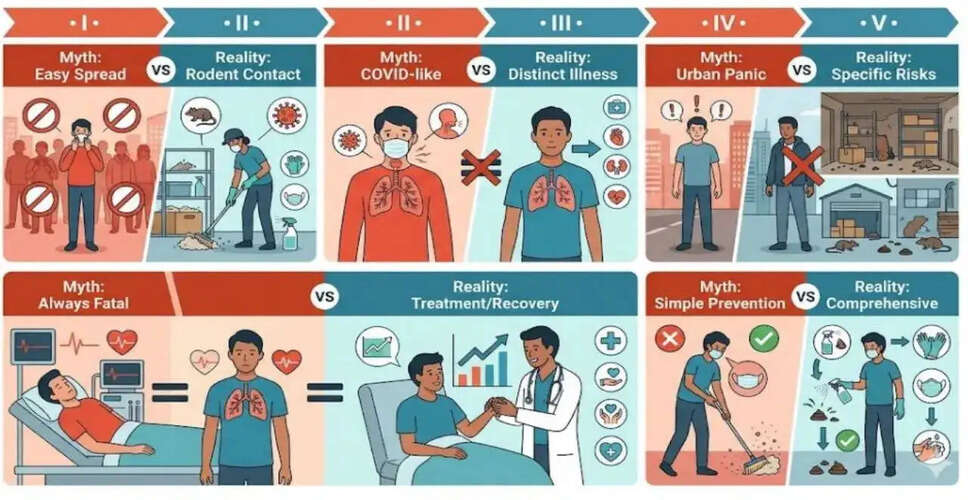
The recent surge in Hantavirus cases has sparked widespread anxiety, particularly following reports involving cruise ship travelers. Despite its rarity, health professionals caution that the spread of misinformation on social media is fueling unnecessary alarm. The World Health Organization is actively tracking several confirmed and suspected Hantavirus infections. Although there have been fatalities, experts emphasize that the overall risk to the public remains low, and the virus operates quite differently from COVID-19 or seasonal influenza. To mitigate panic, understanding the facts is crucial. Here are five prevalent myths about Hantavirus that experts urge the public to disregard.
Myth 1: Hantavirus Spreads Easily Between People
A significant misunderstanding is the belief that Hantavirus transmits as easily as COVID-19. Medical professionals clarify that Hantavirus is primarily transmitted through rodents. The virus is typically spread via contact with the urine, saliva, or feces of infected rodents. Individuals may inhale contaminated particles when cleaning dusty, poorly ventilated areas where rodents have been present. Human-to-human transmission is exceedingly rare and has only been documented in specific strains, such as the Andes strain in South America.
Myth 2: Hantavirus is Just Another Form of COVID-19
Many mistakenly believe that Hantavirus behaves similarly to coronavirus infections due to overlapping early symptoms. However, experts clarify that Hantavirus belongs to a completely different family of viruses. Initial symptoms may include fever, fatigue, muscle aches, headaches, and dry cough. Severe cases can quickly impact the lungs, kidneys, and overall organ function. Medical professionals warn that any symptoms following exposure to rodent-infested areas should not be overlooked.
Myth 3: Any Fever After Cleaning Indicates Hantavirus
Individuals often panic upon developing throat irritation, cough, or fever after cleaning dusty areas. Health experts emphasize that Hantavirus infections are rare. Simply cleaning a dusty room does not guarantee infection. The risk increases significantly with clear exposure to rodent droppings, urine, infested storage areas, abandoned buildings, and poorly ventilated warehouses. It is advisable to monitor symptoms calmly and seek medical attention if the condition worsens.
Myth 4: Hantavirus is Only a Rural Concern
Another widespread myth is that Hantavirus is confined to forests or rural areas. Experts indicate that rodents can infest various environments, including:
- Urban apartments
- Offices
- Markets
- Basements
- Warehouses
- Residential buildings
Poor sanitation and ineffective rodent control can elevate the risk of exposure even in urban settings. Maintaining cleanliness, properly sealing food, and controlling rodent populations are essential preventive measures everywhere.
Myth 5: Hantavirus is Always Fatal
Due to the media's focus on severe cases, many believe that Hantavirus infections are invariably fatal. This is not true. While some strains can lead to serious illness, early medical intervention and supportive care significantly enhance survival rates. Recognizing warning signs early is vital. Symptoms that necessitate immediate medical attention include:
- Difficulty breathing
- Chest pain
- Severe weakness
- Worsening fever
- Persistent cough following rodent exposure
How to Safeguard Against Hantavirus
To minimize the risk of Hantavirus exposure, individuals should:
- Avoid direct contact with rodents
- Wear gloves and masks when cleaning infested areas
- Use disinfectants before cleaning droppings
- Avoid dry sweeping or vacuuming contaminated dust
- Wash hands thoroughly after cleaning
Health officials continue to stress that Hantavirus outbreaks are uncommon. Awareness, hygiene, and appropriate precautions are the best defenses against infection.