
Understanding Hantavirus: Current Situation and Precautions

Current Status of Hantavirus in India
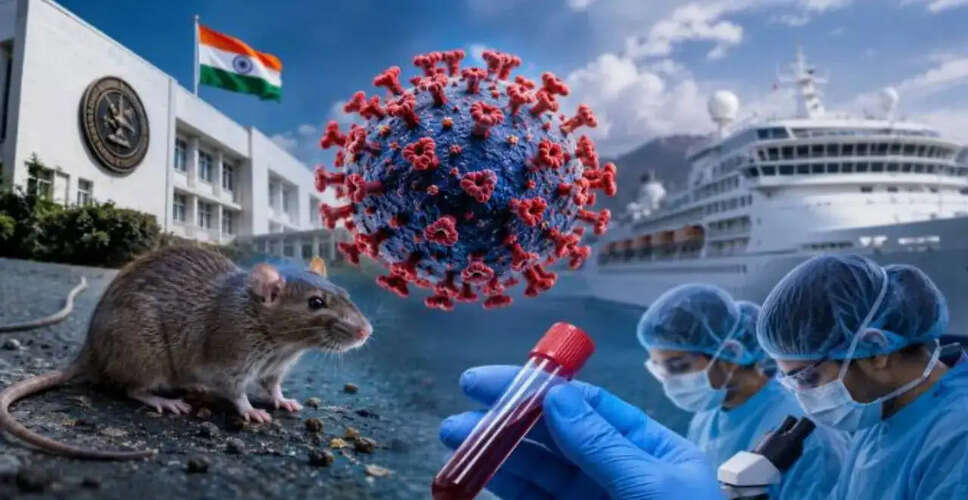
As the hantavirus outbreak linked to the cruise ship MV Hondius gains global attention, the Indian Council for Medical Research (ICMR) has confirmed that there is currently no evidence of community transmission or an immediate health risk in India. Dr. Naveen Kumar, the Director of ICMR's National Institute of Virology, stated that the cases reported are isolated incidents. He emphasized, “The detected hantavirus cases seem to be isolated, and there is no immediate public health threat to India.” This statement follows reports of two Indian nationals on the cruise ship testing positive for the virus.
What is Hantavirus?
Hantaviruses are a collection of viruses primarily transmitted to humans through contact with infected rodents or their waste products, such as urine, saliva, and droppings. Medical professionals indicate that infection typically occurs when individuals inhale aerosolized viral particles in poorly ventilated or enclosed spaces, including warehouses, ships, and rodent-infested buildings. Health authorities note that most hantavirus infections are linked to environmental exposure rather than widespread human transmission.
Rare Human-to-Human Transmission
Experts highlight that hantavirus transmission differs significantly from COVID-19. Dr. Kumar pointed out that human-to-human transmission is exceedingly rare. “Most hantaviruses, particularly those identified in Asia and Europe, do not spread between people. Limited human transmission has only been observed with specific South American strains, such as the Andes virus,” he clarified. The World Health Organization (WHO) has also indicated that the overall public health risk remains low, despite ongoing surveillance of suspected cases aboard the cruise ship.
Why the Cruise Ship Outbreak is Noteworthy
The outbreak on the MV Hondius has attracted international attention due to the identification of multiple suspected cases among passengers traveling across various countries. According to the WHO, the two Indian passengers are part of a small group of suspected infections being monitored through testing, isolation, and contact tracing. Officials note that cruise ships can create optimal conditions for monitoring infectious diseases, as passengers are in close quarters for extended periods.
Symptoms of Hantavirus Infection
Medical professionals warn that hantavirus infections may initially mimic common viral illnesses, complicating early diagnosis. Typical symptoms include fever, severe body aches, headaches, fatigue, chills, nausea, vomiting, abdominal pain, and dry cough. In severe cases, patients may experience breathing difficulties, low blood pressure, kidney issues, reduced urine output, and Hantavirus Pulmonary Syndrome (HPS). Symptoms generally manifest between one and five weeks post-exposure.
India's Testing Capabilities
Dr. Kumar mentioned that India possesses sufficient laboratory infrastructure to identify suspected hantavirus cases if necessary. Testing facilities are available through the ICMR, the National Institute of Virology (NIV), and the extensive Viral Research and Diagnostic Laboratory Network across the country. This network reportedly includes around 165 laboratories equipped with RT-PCR testing capabilities for confirming infectious diseases.
Preventive Measures Against Infection
Public health experts recommend that individuals traveling or working in areas prone to rodents take preventive measures. These include avoiding environments infested with rodents, maintaining cleanliness in storage areas, wearing masks while cleaning dusty enclosed spaces, enhancing ventilation, and steering clear of direct contact with rodent waste. Doctors stress that while the outbreak is under international observation, awareness and proper hygiene practices are the best defenses against hantavirus exposure.