
Understanding Hand Weakness and Sweaty Palms: When to Seek Medical Advice

Recognizing Common Symptoms
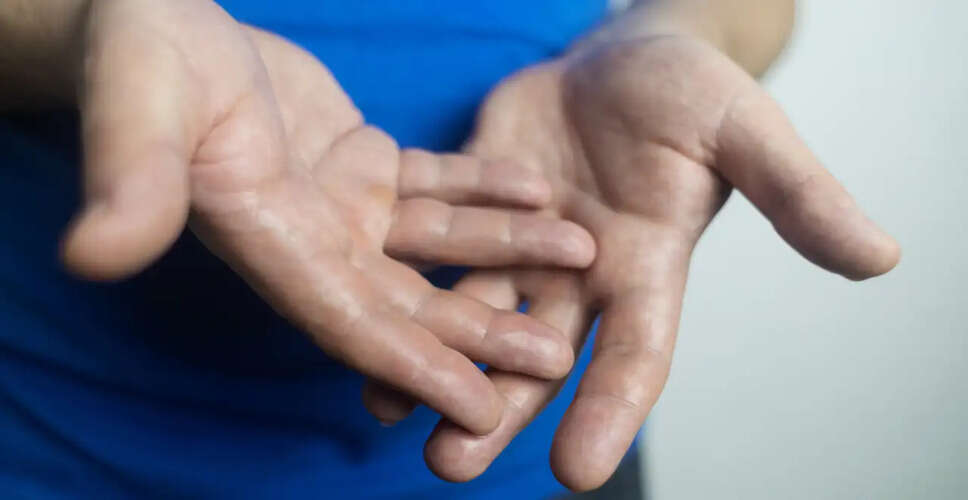
Many individuals have encountered sensations of weakness in their hands after prolonged periods at a desk, difficulty gripping objects like pens, or excessive sweating that makes typing uncomfortable. These issues are often attributed to stress, fatigue, insufficient sleep, or extended screen time, and frequently, this is indeed the case.
Expert Insights
What Experts Say
However, when these symptoms become frequent or start to disrupt daily activities, it may be time to consult a healthcare professional. Dr. Gaurav Batra, a neurosurgeon at Max Super Speciality Hospital, Vaishali, notes that many patients overlook these signs for months, mistakenly attributing them to fatigue or work stress. He emphasizes that some neurological disorders can manifest through seemingly ordinary symptoms.
Weakness in the arms is a common complaint that often develops gradually. Individuals may notice subtle changes, such as finding it harder to carry groceries, struggling to open jars, or experiencing fatigue in one arm more quickly than the other. Dr. Batra explains that the underlying issue often lies with the nerves controlling the muscles rather than the muscles themselves.
Nerve-Related Concerns
The nerves that extend from the cervical spine are crucial for transmitting signals to the arms and hands. Compression, irritation, or damage to these nerves can lead to weakness, which can be exacerbated by modern work habits. Prolonged periods spent hunched over laptops, poor ergonomic setups, repetitive motions, and a lack of movement can place significant stress on the neck and upper spine, potentially affecting nearby nerves.
Identifying Symptoms
Is It A Nerve Related Issue?
Patients often report additional symptoms such as numbness, tingling, or pain radiating from the neck to the shoulder and arm, which can help determine if a nerve issue is present, according to Dr. Batra. Excessive sweating of the palms, known as palmar hyperhidrosis, is frequently dismissed as a mere social nuisance, but it can indicate more serious underlying conditions. Dr. Batra explains that while emotional stress can trigger sweating, an overactive nervous system may also be at play.
For some, this condition can complicate everyday tasks like driving, signing documents, or using touchscreens. Experts caution that the real concern lies not in isolated incidents of weakness or sweaty palms but in recurring patterns.
When to Seek Help
Dr. Batra advises against waiting for symptoms to escalate. If weakness begins to interfere with daily activities or appears suddenly alongside neck pain, numbness, or coordination issues, prompt medical evaluation is essential. Fortunately, many of these conditions respond well to early intervention, which may include physiotherapy, posture adjustments, exercises, medications, lifestyle modifications, or specialized treatments.
"The body often signals problems before they become serious," Dr. Batra states. "Recognizing these signs early allows for timely intervention and significantly better outcomes." In a culture that often glorifies exhaustion, being attentive to recurring symptoms can be a vital step in safeguarding long-term neurological health.