
Understanding Eye Health: Why Clear Vision Isn't Enough
The Misconception of Clear Vision
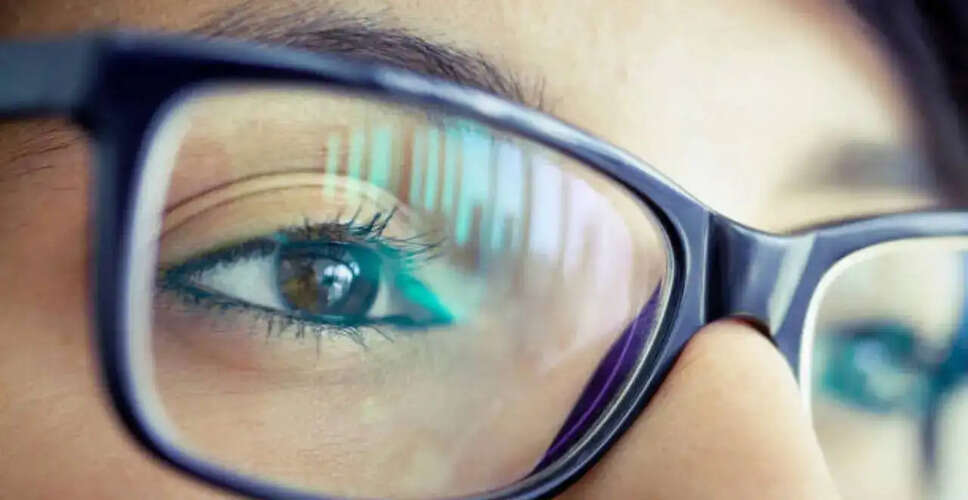
Many people assume that if they can read an eye chart without difficulty, their eyes are in perfect condition. However, eye specialists caution that having good vision does not equate to healthy eyes. Numerous serious eye issues can develop quietly, often without any noticeable symptoms until significant harm has occurred. In our digital age, where individuals frequently engage with smartphones, laptops, and tablets, safeguarding eye health has become an essential aspect of preventive care rather than a mere option. Dr. Kavita Rao, a Consultant Ophthalmologist and Eye Surgeon, emphasizes, “Most individuals take clear vision for granted until they notice changes. Ironically, many eye conditions progress silently, long before blurred vision or discomfort becomes apparent.”
Why Clear Vision Doesn't Guarantee Eye Health
Why Clear Vision Doesn't Guarantee Eye Health
Visual clarity, often assessed as 6/6 or 20/20 vision, primarily indicates how well someone can see letters from a distance, but it does not necessarily indicate the presence of underlying eye diseases. Dr. Rao explains that conditions such as Glaucoma can develop gradually without impacting central vision in the initial stages. Consequently, an individual might pass a vision test while the disease is quietly harming the optic nerve. “Subclinical dry eye disease can alter tear film osmolarity and stability long before symptoms like redness or severe discomfort arise. Likewise, early cataracts or subtle corneal irregularities may first manifest as glare, halos, or diminished contrast sensitivity instead of obvious blurriness,” she notes.
The Rise of Digital Eye Strain
The Rise of Digital Eye Strain
As remote work, online education, and constant smartphone usage become more prevalent, healthcare professionals are witnessing a significant rise in Digital Eye Strain. Extended screen time alters how the eyes function. Research indicates that when individuals concentrate on screens, their blink rate can decrease by nearly 50%, leading to quicker tear evaporation. Dr. Rao states, “This results in ocular surface inflammation, fluctuating vision, and symptoms collectively known as digital eye strain.” This condition can destabilize the tear film, resulting in symptoms such as:
- Burning or irritated eyes
- Blurred or fluctuating vision
- Headaches
- Difficulty focusing
- Dryness and redness
Many young professionals often dismiss these signs as mere fatigue, but they may indicate early stress on the eyes.
The Importance of Regular Eye Check-Ups
The Importance of Regular Eye Check-Ups
Eye care professionals stress that thorough eye examinations encompass much more than just checking for glasses prescriptions. Regular screenings enable doctors to detect early signs of eye diseases and initiate treatment before vision loss occurs. A comprehensive eye check-up typically includes:
- Examination of the cornea and ocular surface
- Assessment of tear film and dryness levels
- Measurement of intraocular pressure to identify glaucoma
- Evaluation of the optic nerve
- Detailed examination of the retina
Educational initiatives should aim to modify behaviors and influence environments. Implementing the 20-20-20 rule can significantly alleviate accommodative stress resulting from prolonged close work. Intentional blinking and proper hydration are essential for maintaining the tear film, while avoiding indiscriminate use of preserved over-the-counter eye drops can prevent further ocular surface damage,” Dr. Rao advises. She also highlights the importance of protecting against UV rays by wearing high-quality sunglasses to reduce the effects of accumulated phototoxic damage, and emphasizes that adequate sleep is crucial for repairing the ocular surface and enhancing visual performance.