
Understanding Ebola: Key Insights and Safety Measures

Ebola Outbreaks: What You Need to Know
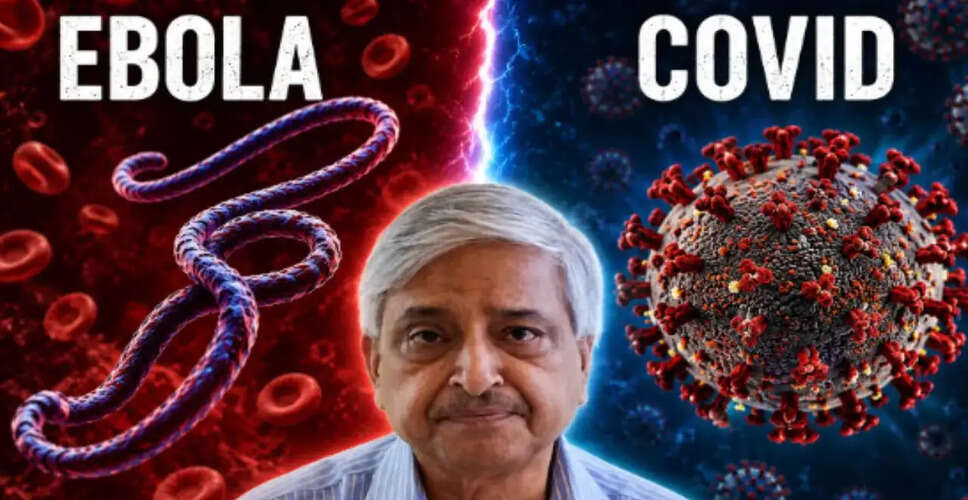
With the emergence of new Ebola outbreaks in various African regions, health professionals are advising the public to remain calm. Dr. Randeep Guleria, the former director of the All India Institute of Medical Sciences, highlighted that Ebola's transmission differs significantly from that of COVID-19, which reduces the likelihood of a global pandemic if appropriate measures are taken. He pointed out that Ebola is transmitted through direct contact with the bodily fluids of infected individuals, rather than through airborne particles as seen with the coronavirus. This characteristic makes Ebola less contagious on a global scale. Dr. Guleria stated, “Ebola does not spread via droplets or cause respiratory infections. With effective infection control, we can prevent its spread, which is why outbreaks have historically been confined to specific areas in Africa.” He emphasized the importance of avoiding contact with infected individuals and adhering to government advisories regarding travel to outbreak zones.
What is Ebola Virus Disease?
Ebola virus disease is a severe and often lethal infection caused by the Ebola virus, first recognized in Africa in 1976. The virus can lead to severe bleeding, organ failure, and damage to the immune system. Without prompt medical care, the condition can deteriorate rapidly. Symptoms of Ebola may include:
- High fever
- Severe weakness
- Muscle pain
- Vomiting
- Diarrhea
- Headache
- Severe bleeding in advanced cases
Transmission of Ebola
Dr. Guleria emphasized that Ebola spreads through close physical contact with infected bodily fluids, including blood, vomit, saliva, sweat, urine, and semen. Unlike COVID-19, Ebola does not typically spread through casual airborne exposure in public settings. Common modes of transmission include:
- Caregiving without protective measures
- Contaminated medical equipment
- Unsafe burial practices
- Close contact within households
This is a key reason why Ebola outbreaks tend to be more geographically contained compared to respiratory pandemics like COVID-19.
Why is Ebola's Fatality Rate High?
While Ebola is less transmissible, it can be significantly more deadly once contracted. Fatality rates in some outbreaks have ranged from 25% to 90%, influenced by the virus strain, healthcare access, and treatment speed. Delayed diagnosis and inadequate healthcare systems can greatly increase mortality rates. However, advancements in infection control, rapid isolation, contact tracing, and modern supportive care have improved survival rates in recent years.
Why Experts Believe Ebola is Unlikely to Become a Pandemic
Dr. Guleria noted that despite the alarming nature of Ebola, the virus is much less likely to cause a global pandemic akin to COVID-19 due to its requirement for close contact for transmission. Public health experts cite several factors that help contain Ebola outbreaks:
- Symptoms manifest relatively quickly
- Patients become visibly ill
- Transmission necessitates direct exposure
- Isolation measures are very effective
- Vaccines are available for certain Ebola strains
Nonetheless, health authorities continue to monitor outbreaks closely, as international travel can pose infection risks if cases go unnoticed.
Essential Safety Measures
Doctors advise against unnecessary travel to regions experiencing outbreaks and recommend adhering to public health guidelines. Key safety measures include maintaining hand hygiene, using protective equipment in healthcare settings, practicing safe caregiving, seeking early medical attention for symptoms, and promptly reporting suspected cases. Health officials stress that awareness and timely containment are the most effective strategies against Ebola. Dr. Guleria cautioned that while Ebola is a serious illness that warrants caution, there is no need for panic if scientific precautions are properly implemented. As global health organizations continue to monitor outbreaks, public awareness, clear communication, and robust infection control systems are vital for preventing future health crises.