
Understanding Dandruff: Causes, Symptoms, and Effective Treatments
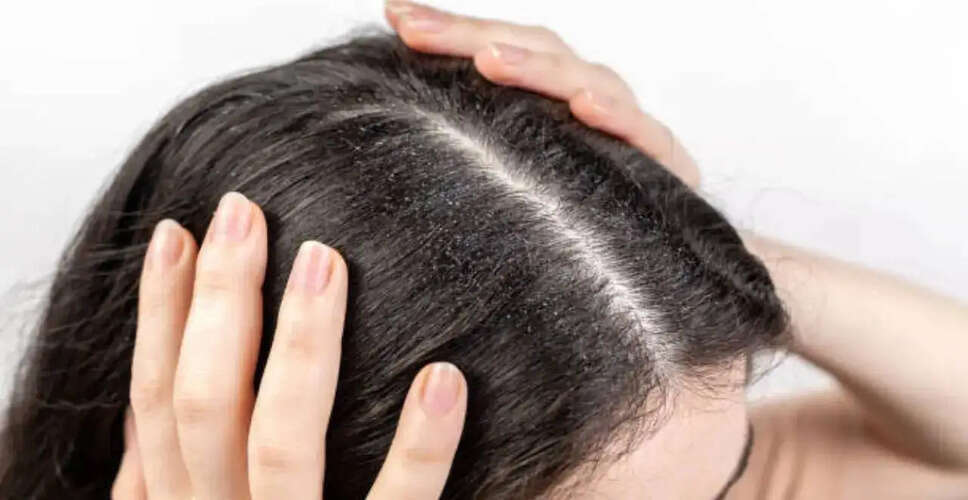

Introduction to Dandruff
Dandruff is a prevalent scalp issue that is often misunderstood. Many assume it arises solely from inadequate hygiene or infrequent hair washing. However, even individuals who wash their hair regularly can suffer from ongoing flakes, itching, and irritation. The reality is that dandruff is a more intricate condition, and grasping its underlying causes is essential for effective treatment. Dr. Priyanka Reddy, founder and chief dermatologist at DNA Skin Clinics, emphasizes that while hygiene is important for scalp health, dandruff is not merely a consequence of poor washing habits. Many who maintain a regular washing routine still face persistent symptoms.
What Causes Dandruff?
Understanding Dandruff and Its Triggers
Dandruff is frequently instigated by a fungus that thrives on the oils of the scalp. The primary culprit is an overgrowth of a naturally occurring yeast known as Malassezia globosa. This microorganism is typically harmless and resides on everyone’s scalp. However, when the scalp's environment is disrupted, it can proliferate excessively. Dr. Reddy identifies several factors that can lead to this imbalance, including:
- Excessive oil or sebum production
- High humidity and perspiration
- Accumulation of dirt and pollution
- Stress and hormonal fluctuations
- Inconsistent hair washing practices
When Malassezia consumes scalp oils, it generates by-products that can irritate the skin, leading to inflammation and increased skin cell turnover. This process results in dead skin cells shedding and clustering together, forming the visible white flakes commonly associated with dandruff.
Recognizing Early Signs of Dandruff
Identifying Initial Symptoms
Itchiness is often one of the first indicators of dandruff, typically appearing before any flakes are noticeable. This serves as a signal from your scalp that its natural balance is off. Neglecting this early warning can exacerbate the condition. Other symptoms to watch for include:
- White or yellow flakes on the scalp and hair
- Red or irritated scalp
- Greasy and dry patches of skin
Why Dandruff Treatments Often Fall Short
Common Missteps in Dandruff Care
A frequent error in managing dandruff is concentrating solely on eliminating visible flakes. Many shampoos claim to provide quick fixes by exfoliating the scalp or slowing skin shedding. While these products may temporarily diminish flakes, they often fail to tackle the underlying fungal issue. Dr. Reddy notes that many individuals frequently switch shampoos in search of immediate flake removal. However, if the root cause remains unaddressed, flakes are likely to reappear, leading to frustration and constant product changes.
Effective Anti-Dandruff Ingredients
Key Ingredients for Treatment
To effectively combat dandruff, it is crucial to address both the scalp environment and the microbial imbalance. One clinically validated ingredient is Piroctone Olamine, an antifungal agent that works by:
- Controlling the growth of Malassezia
- Reducing scalp irritation and inflammation
- Restoring the scalp’s natural balance
This ingredient is gentle enough for regular use, making it suitable for long-term scalp care.
Healthy Scalp Practices
Habits to Prevent Dandruff Recurrence
In addition to selecting the right shampoo, adopting healthy habits can significantly reduce the likelihood of dandruff returning:
- Wash your hair regularly, especially after sweating, to eliminate excess oil.
- Keep your scalp clean to prevent the buildup of dirt, sweat, and pollutants.
- Maintain hygiene by regularly cleaning helmets, combs, and hair accessories.
- Avoid prolonged moisture on your scalp.
- Manage stress, as it can exacerbate scalp conditions.