
Understanding Cyclical Depression: The Importance of Emotional Support

Ira Khan's Journey with Cyclical Depression
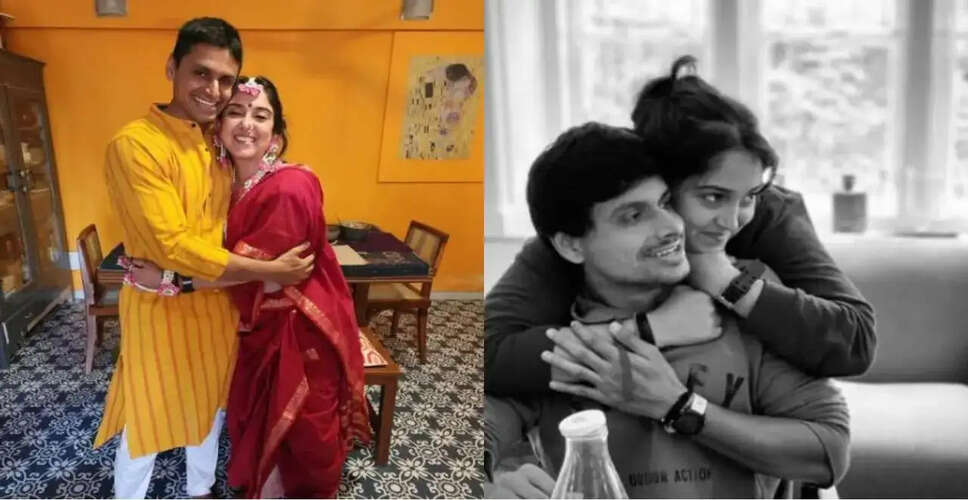
Cyclical depression, characterized by recurring phases of low mood, fatigue, and emotional withdrawal, is a struggle that many endure in silence. Recently, Ira Khan, daughter of actor Aamir Khan, opened up about her personal experiences with this condition, resonating with many. Her candid insights shed light on the difficulties of managing depression and emphasized the crucial role of emotional support, particularly from her husband, Nupur Shikhare. "We have our disagreements. Kabhi kabhi, woh mere depression se thak jaata hai (Sometimes, he gets tired of my depression). I experience cyclical depression... it comes in waves... at times, there are lows. We are both learning to recognize these moments better,” Ira shared during a discussion with Vibhor Adnani on his Instagram platform, Shutter Bonsai. She further expressed, "You can label it as depression or whatever... I don’t grasp that fully. All I know is that you are hurting. So, we will do whatever it takes to address that. We will tackle this together," she added. Reflecting on Nupur, she noted, "I think in words. He processes in feelings. His empathy is remarkable."
Defining Cyclical Depression
What is cyclical depression?
Cyclical depression, often associated with conditions like dysthymia or mood disorders, features recurring depressive episodes that fluctuate over time. Symptoms may include ongoing sadness, irritability, lack of motivation, sleep issues, and trouble concentrating. Unlike temporary stress, these cycles can be overwhelming and unpredictable, impacting daily life and relationships.
The Role of Emotional Support
Why is emotional support important?
A key takeaway from Ira’s narrative is the significance of consistent emotional support as a stabilizing influence. She mentioned that while she tends to “think in words,” her husband “thinks in feelings,” a dynamic that aids her in processing her emotions differently. This contrast can be incredibly grounding during depressive episodes. Experts suggest that supportive partners can offer:
- Emotional validation, making individuals feel acknowledged and understood
- Non-judgmental listening, which alleviates feelings of isolation
- Practical assistance, such as promoting healthy habits or seeking professional help
Mental health professionals agree that strong social connections can greatly enhance outcomes for those facing depression.
The Science of Support and Mental Health
The science behind support and mental health
Research indicates that emotional bonding and supportive relationships can positively affect brain chemistry. Oxytocin, known as the “bonding hormone,” increases with emotional connections and can help alleviate stress and anxiety. Furthermore, having a reliable person to lean on may reduce cortisol levels, enhancing resilience during depressive episodes. While emotional support is crucial, a combination of self-care and professional assistance is essential for effectively managing cyclical depression:
Therapy and counselling
Cognitive Behavioral Therapy (CBT) is particularly beneficial.
Routine building
Maintaining consistent sleep, diet, and exercise can help stabilize mood.
Mindfulness practices
Meditation and grounding techniques can alleviate anxiety.
Open communication
Expressing feelings to trusted individuals prevents emotional bottling.
Medical guidance
In some cases, medication may be advised.
Challenging Mental Health Stigmas
Breaking the stigma around mental health
By sharing her story, Ira contributes to a broader dialogue on mental health awareness. Her experience serves as a reminder that depression can manifest in various forms—and that seeking help, relying on loved ones, and establishing emotional safety nets are signs of strength, not weakness. While cyclical depression presents challenges, it is manageable with the right tools and support system. As Ira’s journey illustrates, having someone who comprehends your emotional landscape—even in a different manner—can significantly impact your healing process. In a society that often values independence, her story powerfully emphasizes that healing does not have to be a solitary endeavor.