
Understanding Courage: A New Perspective on Everyday Bravery

Redefining Courage
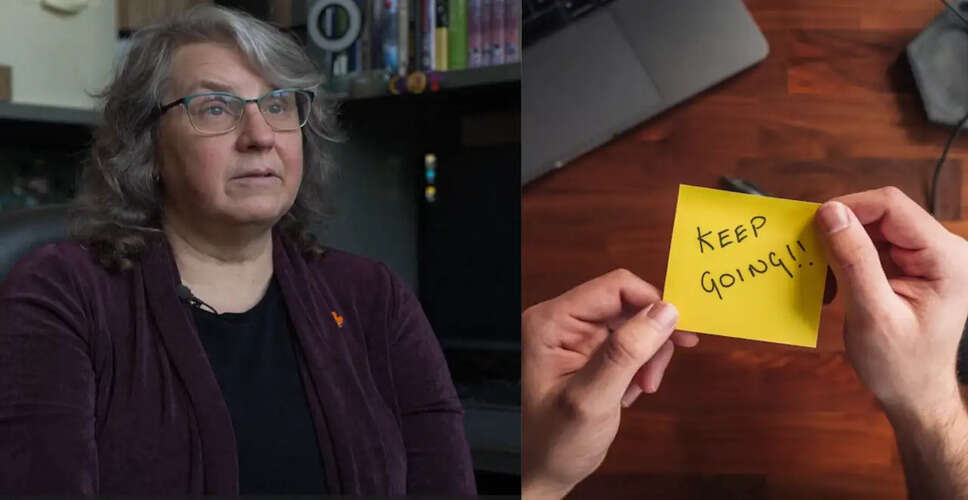
The term 'courage' often seems daunting, particularly for individuals grappling with self-worth. However, Dr. Cynthia Pury, a psychology professor at Clemson University, asserts that courage is more prevalent than we think. By examining it through a fresh perspective, we can transform our self-perception. Dr. Pury, whose research delves into the psychology of courage, emphasizes that true courage isn't about the absence of fear; rather, it's about taking significant risks. "In our studies, we define courage as engaging in a meaningful risk, which aligns with most actions people deem courageous," she explains.
Dr. Pury notes that the common misconception surrounding courage stems from its association with extraordinary feats. "Firefighters are often seen as the epitome of courage because their actions are universally recognized as dangerous and commendable. This leads to a skewed perception of what courage truly entails," she states. Popular culture often reinforces this misunderstanding, with many definitions of courage emphasizing fearlessness. However, Dr. Pury's research encourages a broader understanding, focusing on the commonality of risky situations that individuals confront.
She elaborates, "What unites these acts is the presence of risk, regardless of the emotional response. This perspective accommodates both those who act despite fear and those who charge ahead without hesitation."
Dr. Pury differentiates between 'monumental courage' and 'everyday courage'. She describes monumental courage as actions that are visibly risky and widely acknowledged as valuable, such as those performed by firefighters. In contrast, everyday courage is more personal and often involves confronting individual fears or limitations. This type of courage may not hold the same significance for others but is deeply meaningful to the individual.
Success plays a crucial role in how courage is perceived. Dr. Pury points out that while we often claim that courage is about the attempt rather than the outcome, people tend to view actions as courageous primarily if they succeed. "This discrepancy highlights a common misunderstanding about courage," she adds.
Dr. Pury believes that courage can be cultivated through practice, which can help diminish perceived risks. She notes, "Individuals often find courage by focusing on the value of their goals and preparing for the challenges they face. This preparation can significantly reduce the perceived risk of a situation." For instance, trained firefighters are better equipped to handle emergencies than untrained individuals.
Moreover, she emphasizes that anxiety, often stemming from uncertainty, can hinder the development of courage. To combat this, Dr. Pury suggests returning to core values and principles during uncertain times. "Reflecting on what matters most to you can guide your actions and decisions moving forward," she advises.
Ultimately, the journey to build courage is both universal and deeply personal.