
Understanding Compression Stockings for Varicose Veins: Myths and Facts
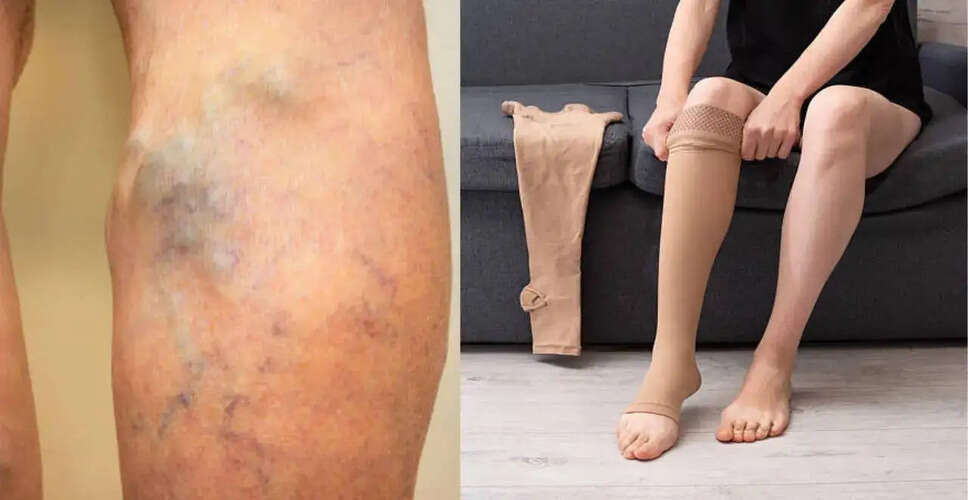
Overview of Varicose Veins
Varicose veins are a prevalent vascular issue impacting countless individuals globally. This condition manifests as swollen and twisted veins, primarily in the legs, leading to symptoms such as aching pain, heaviness, swelling, and discomfort. Compression stockings are frequently recommended as a conservative treatment option. However, do they truly resolve varicose veins? Experts suggest the reality is more complex. Dr. Avik Bhattacharya, Director & HOD of Interventional Radiology at CK Birla Hospitals, CMRI, states, “Compression stockings are often misunderstood. Many patients think that wearing them will cure their condition, but that is not entirely accurate.”
Functionality of Compression Stockings
Dr. Bhattacharya explains that while compression stockings provide temporary relief, they do not fix the underlying vein issues. Varicose veins develop when the valves within the veins malfunction, causing blood to pool rather than flow upward. Compression stockings apply external pressure to the legs, which can enhance blood circulation and alleviate symptoms like swelling, heaviness, and cramps at night. However, they do not mend the damaged valves or reverse the condition. Once varicose veins are present, the valve dysfunction persists, and symptoms may return if the stockings are discontinued.
How Compression Stockings Operate
Mechanism of Action
Compression stockings are specially crafted elastic garments that exert graduated pressure on the legs, with the highest pressure at the ankle, gradually decreasing as it moves up the leg. This design helps to:
- Enhance blood circulation
- Minimize swelling and inflammation
- Alleviate feelings of heaviness and fatigue in the legs
- Reduce the likelihood of blood pooling
By improving venous return, these stockings support the veins and assist in managing symptoms associated with chronic venous insufficiency.
Suitability of Compression Stockings
Who Should Use Them?
Dr. Bhattacharya notes that a common misconception is that compression stockings are appropriate for everyone. Wearing the wrong size, using poor-quality stockings, or improper application can exacerbate discomfort. In certain cases, particularly among elderly patients or those with arterial diseases, unsupervised use may pose risks. Nonetheless, compression stockings play a significant role in symptom management, especially during pregnancy, after extended periods of standing, or as a temporary measure before or after medical procedures.
When Are Compression Stockings Recommended?
Indications for Use
Healthcare professionals typically recommend compression stockings for:
- Early-stage varicose veins
- Pregnant women experiencing leg swelling
- Individuals who stand for prolonged periods
- Patients not yet ready for medical interventions
- Recovery following vein treatments
They are often integrated into a comprehensive treatment strategy for varicose veins, which may also involve lifestyle modifications such as weight management, regular exercise, elevating the legs, and avoiding long periods of sitting or standing.
Long-Term Treatment Options for Varicose Veins
Effective Treatments
Experts indicate that for lasting correction, minimally invasive medical procedures are often necessary. Options may include endovenous laser treatment (EVLT), radiofrequency ablation, sclerotherapy, and surgical removal of veins in severe cases. These treatments directly address the malfunctioning veins, either by closing or removing them, allowing blood to flow through healthier veins.
(Insights from: Dr. Avik Bhattacharya, Director & HOD – Interventional Radiology at CK Birla Hospitals, CMRI)