
Understanding Chronic Kidney Disease: Risks and Awareness
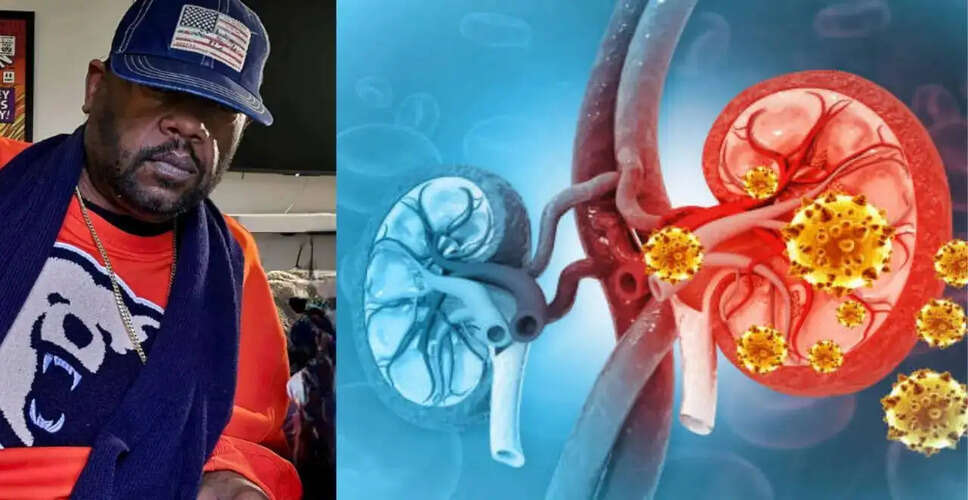

Grizz Chapman's Legacy and Kidney Health Awareness
The recent passing of Grizz Chapman, who succumbed to severe kidney disease after enduring long-term dialysis, has reignited discussions about the significant health threats posed by chronic kidney disease (CKD). Chapman, who was 52, reportedly died peacefully in his sleep, highlighting the often-overlooked nature of kidney health issues. This situation underscores a growing global health crisis that frequently remains undetected until serious complications arise. Medical professionals indicate that CKD impacts millions globally, yet many individuals are unaware of their kidney damage until it reaches critical stages.
Defining Chronic Kidney Disease
What Is Chronic Kidney Disease?
Chronic kidney disease is characterized by the gradual decline in the kidneys' ability to filter waste, excess fluids, and toxins from the bloodstream. Healthy kidneys play a vital role in regulating blood pressure, maintaining electrolyte balance, producing hormones, and supporting overall bodily functions. Physicians caution that kidney disease often develops slowly over many years, making early detection challenging without regular testing.
Common contributors to chronic kidney disease include:
- Diabetes
- High blood pressure
- Obesity
- Heart disease
- Genetic kidney disorders
- Smoking
- Long-term use of certain medications
Experts emphasize that uncontrolled diabetes and hypertension are the primary causes of kidney failure worldwide.
The Silent Nature of Kidney Disease
Why is Kidney Disease Considered a “Silent” Illness?
One of the most alarming aspects of kidney disease is that symptoms often do not manifest until significant damage has occurred. Early warning signs may include:
- Fatigue
- Swelling in the legs or feet
- Frequent urination
- Difficulty concentrating
- Muscle cramps
- Nausea
- Shortness of breath
- Loss of appetite
In advanced stages, patients may need dialysis or a kidney transplant to survive. Healthcare providers stress the importance of regular blood pressure monitoring, blood sugar management, and kidney function tests to identify issues early.
Understanding Dialysis
What is Dialysis?
Dialysis is a critical treatment for individuals whose kidneys can no longer effectively filter blood. This procedure removes waste products, excess fluids, and toxins artificially. There are two primary forms of dialysis:
- Hemodialysis
- Peritoneal dialysis
Many patients undergoing dialysis require multiple sessions each week, lasting several hours. While this treatment can significantly prolong life, experts warn that long-term dialysis can be physically and emotionally draining, impacting heart health, energy levels, sleep quality, mental well-being, and overall life satisfaction.
The Link Between Kidney and Heart Health
Kidney Disease and Heart Health Connection
Health professionals caution that chronic kidney disease substantially raises the risk of heart attacks, strokes, and cardiovascular diseases. Damaged kidneys can lead to:
- High blood pressure
- Fluid overload
- Artery damage
- Heart failure
- Electrolyte imbalances
This strong correlation between kidney and heart health underscores the necessity for early prevention strategies.
The Importance of Awareness
Why Awareness Matters?
Despite the increasing prevalence of kidney disease, public awareness remains alarmingly low. Factors such as sedentary lifestyles, processed food consumption, diabetes, obesity, and hypertension are elevating kidney-related health risks, even among younger populations. Health experts advocate for:
- Staying hydrated
- Managing blood sugar and blood pressure
- Regular exercise
- Avoiding smoking
- Limiting salt intake
- Routine health screenings
Chapman's passing serves as a poignant reminder that kidney disease can be life-threatening, even when symptoms are not readily apparent. Recognizing early warning signs and prioritizing preventive healthcare could significantly alleviate the rising burden of chronic kidney disease globally.