
Understanding Chronic Kidney Disease: Importance of Early Detection
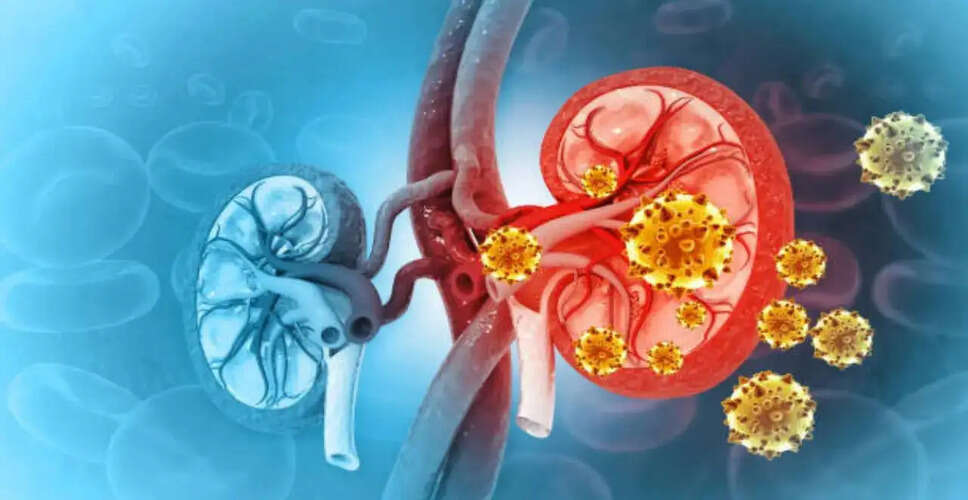

The Silent Threat of Chronic Kidney Disease
Chronic kidney disease (CKD) is often referred to as a “silent killer” due to its insidious progression over time. Many individuals remain unaware of their condition until significant damage has occurred, often leading to limited treatment options such as dialysis or kidney transplants, both of which can be taxing physically and financially. Research indicates that approximately 850 million people globally are affected by some form of kidney disease. Medical professionals highlight that CKD frequently goes unnoticed because it lacks early symptoms, allowing kidney damage to continue for years.
Affordable and Simple Early Detection
Early detection is simple and affordable
What makes CKD particularly perilous is also what allows for its prevention: early screening is straightforward and cost-effective. Basic kidney function assessments, including urine tests and serum creatinine blood tests, can reveal early warning signs. These tests typically range from 300 to 800 Rupees, making them accessible for regular check-ups. They can identify:
- Protein in urine
- Presence of microscopic blood
- High creatinine or urea levels
- Decreased glomerular filtration rate (GFR)
These indicators often manifest well before any noticeable symptoms, providing a vital opportunity for early intervention.
Why Kidney Disease Often Goes Undetected
Why does kidney disease often go unnoticed?
The kidneys possess remarkable adaptability. Even as their functionality diminishes, the body compensates effectively during the initial stages. Clinical observations suggest that symptoms typically arise only after 70 to 75 percent of kidney function has been lost. When symptoms do appear, they may include:
- Swelling in the face or body
- Fatigue and weakness
- Shortness of breath
- Nausea and vomiting
- Loss of appetite
At this point, the disease is often at an advanced stage, complicating treatment options.
The Financial Implications of Screening vs. Treatment
The cost gap: Screening vs dialysis
The financial disparity between early screening and late-stage treatment is significant:
- Screening costs range from 300 to 800 Rupees
- Dialysis costs per session are approximately 2,000 to 5,000 Rupees
- Annual dialysis expenses can reach between 300,000 to 550,000 Rupees or more
Many patients require dialysis multiple times a week, creating a long-term financial strain on families. Thus, early detection is not only a health imperative but also a crucial financial strategy.
Who Should Consider Screening?
Who should get screened?
While everyone can benefit from kidney screenings, certain high-risk groups should be particularly proactive. Individuals should consider testing if they:
- Have diabetes or high blood pressure
- Are diagnosed with heart disease or obesity
- Have a family history of kidney disease
- Experience recurrent kidney stones or urinary tract infections (UTIs)
- Are over 60 years old
- Have autoimmune disorders like lupus
The Importance of Early Intervention
Early intervention saves lives
The good news is that early-stage CKD is manageable. With prompt diagnosis, healthcare providers can regulate blood pressure and blood sugar levels, prescribe medications to slow kidney damage, and suggest dietary and lifestyle modifications. Simple practices—such as staying hydrated, maintaining a balanced diet, and avoiding unnecessary medications—can significantly enhance kidney health. Chronic kidney disease does not have to lead to life-altering consequences. A straightforward 300 Rupee test can uncover early signs, avert complications, and save substantial treatment costs. In a healthcare landscape where advanced treatments are costly, routine kidney screenings represent one of the wisest investments for both health and finances.