
Understanding Chikungunya: The Overlooked Mosquito-Borne Illness

World Chikungunya Day: Raising Awareness
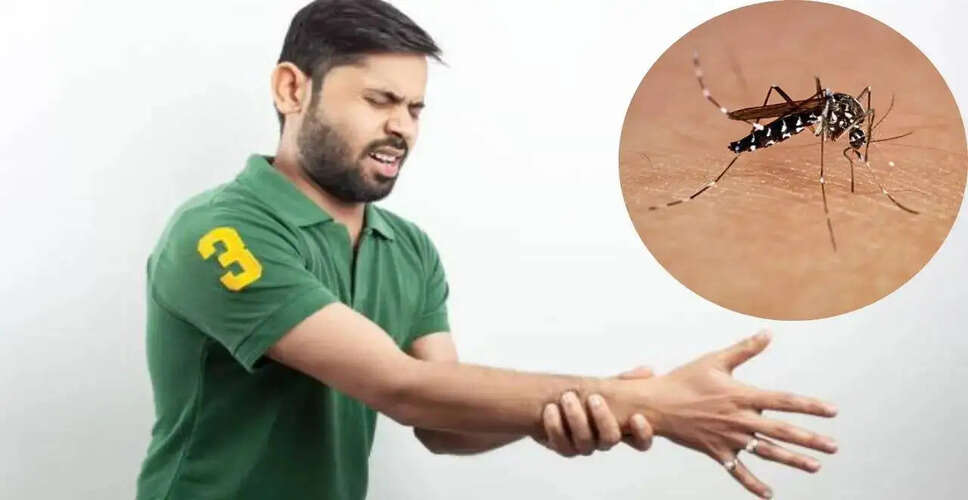
On World Chikungunya Day, it is crucial to highlight that this mosquito-transmitted illness often receives less focus compared to dengue and malaria. Although chikungunya is seldom fatal, medical professionals warn that it can result in intense joint pain and long-lasting health issues that may persist for months or even years following the initial infection. Frequently labeled as the "forgotten mosquito disease," chikungunya continues to impact thousands globally, especially in tropical and subtropical areas where mosquito populations are abundant. Despite ongoing outbreaks, awareness regarding its enduring effects remains surprisingly limited. India is among the countries most affected by chikungunya, with numerous states and union territories reporting cases, particularly in southern and western regions like Maharashtra, Karnataka, and Tamil Nadu, which consistently show the highest confirmed cases.
What is Chikungunya?
What is chikungunya?
Chikungunya is a viral illness spread through the bites of infected Aedes aegypti and Aedes albopictus mosquitoes, the same species responsible for dengue fever and Zika virus. The onset of the disease is usually sudden, marked by high fever, severe joint pain, muscle aches, headaches, fatigue, nausea, and skin rashes. Symptoms typically manifest four to eight days after being bitten by an infected mosquito. While most individuals recover within a few weeks, chikungunya is unique among viral infections as its effects can linger long after the fever has subsided. Dr. Vasant Nagvekar, Director of the Department of Infectious Diseases at Sir HN Reliance Foundation Hospital, notes that in elderly and immunocompromised patients, chikungunya can rarely lead to complications such as encephalitis and myocarditis, along with persistent joint pain, particularly in older individuals.
Why is Chikungunya Often Overlooked?
Why is chikungunya called the ‘forgotten mosquito disease’?
Experts indicate that chikungunya often takes a backseat to dengue due to the latter's association with severe, potentially life-threatening complications like severe bleeding and shock. Consequently, public health campaigns, media coverage, and community awareness tend to prioritize dengue outbreaks. Nevertheless, chikungunya imposes its own significant burden. While it rarely results in death, survivors may endure chronic pain, fatigue, and reduced mobility for extended periods. Because these complications are less visible than emergency hospitalizations, the disease is frequently underestimated.
Long-Term Effects of Chikungunya
The long-term pain that many people do not expect
One of the most notable characteristics of chikungunya is the severe joint pain it can cause. In some individuals, this discomfort may persist for months or even years after the infection has cleared. Research indicates that the virus can induce ongoing inflammation similar to rheumatoid arthritis. Patients often experience pain in their wrists, ankles, knees, fingers, and other joints, making daily activities like walking, climbing stairs, or even holding objects challenging. Older adults, those with pre-existing health conditions, and individuals who experience severe symptoms during the acute phase may be at a higher risk for prolonged joint issues.
Impact of Climate and Urbanization
How do climate and urbanisation increase the risk?
Health professionals caution that climate change, rising temperatures, increased rainfall, and rapid urbanization are creating favorable conditions for mosquito breeding. Stagnant water found in coolers, flower pots, construction sites, and household containers allows Aedes mosquitoes to proliferate rapidly. Consequently, chikungunya outbreaks have become more common in various regions, particularly during and after the monsoon season.
Preventive Measures Against Chikungunya
Ways to protect yourself
As there is currently no specific antiviral treatment for chikungunya, prevention is the most effective approach. Experts recommend the following measures:
- Eliminate stagnant water around homes
- Use mosquito repellents regularly
- Wear full-sleeved clothing
- Install window screens and mosquito nets
- Keep water storage containers covered
World Chikungunya Day serves as a reminder that not all mosquito-borne diseases conclude when the fever subsides. While chikungunya may not garner the same level of attention as dengue, its potential to cause long-lasting joint pain and disability makes it a significant public health issue.