
Understanding Cataracts: Debunking Myths for Better Eye Health
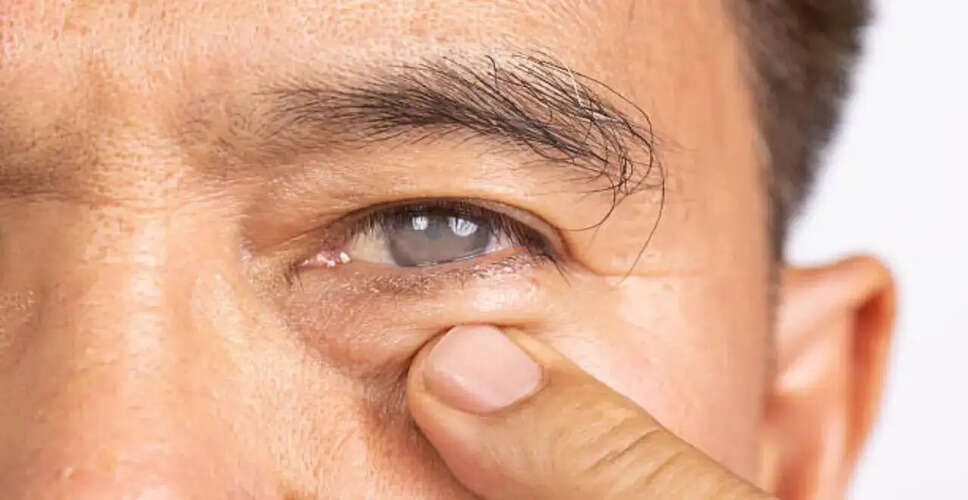

Cataracts: A Major Cause of Preventable Blindness
Cataracts rank among the top causes of avoidable blindness globally, yet many individuals hesitate to seek treatment due to persistent myths and misinformation. Eye care professionals caution that these misconceptions regarding cataracts, their surgical treatment, and associated vision loss can deter patients from obtaining timely medical assistance, thereby heightening the risk of complications and extended vision impairment. Dr. Poninder Kumar Dogra, a Senior Consultant in Ophthalmology and Vitreoretina at ShardaCare-Healthcity, emphasizes that understanding the realities of cataracts is crucial for safeguarding eyesight and enhancing life quality. He notes, “Many individuals delay treatment not due to lack of access but because of ingrained misconceptions. Myths such as surgery being only for the elderly or overly risky can jeopardize vision. It’s essential to distinguish fact from fiction.”
Myth 1: Cataracts Are Exclusive to Older Adults
A prevalent myth is that cataracts only occur in older individuals. While aging is indeed the primary risk factor, cataracts can manifest in people of any age. Some infants are born with congenital cataracts, while others may develop them due to eye injuries, termed traumatic cataracts. Various health conditions and lifestyle choices, including diabetes, prolonged steroid use, excessive UV exposure, smoking, and past eye injuries, can also hasten cataract development. Medical professionals indicate that younger people often overlook early signs, mistakenly believing cataracts are solely an 'elderly issue.' Regular eye check-ups are vital for early detection, regardless of age. Dr. Dogra warns, “Delaying eye examinations until old age can lead to years of undiagnosed conditions in younger patients.”
Myth 2: Surgery Should Only Happen When Cataracts Are 'Ripe'
Another widespread misconception is that cataracts must reach a 'ripe' stage before surgery is considered. Ophthalmologists clarify that this belief stems from outdated practices and is no longer relevant in contemporary eye care. Nowadays, cataract surgery is a quick and effective outpatient procedure that can be performed as soon as the cataract begins to disrupt daily activities. If blurred vision starts to interfere with reading, driving, or recognizing faces, it’s advisable to consult a doctor about surgery rather than postponing. Dr. Dogra cautions, “Delaying treatment can complicate surgery, prolong recovery, and increase the risk of complications.”
Myth 3: Cataract Surgery Is Painful and Risky
Fear of surgery is a significant factor causing patients to delay treatment. However, experts stress that cataract surgery is among the safest and most commonly performed procedures globally. Modern techniques typically:
- Last only 15 to 20 minutes
- Are conducted under local anesthesia
- Cause minimal to no pain
- Allow patients to return home the same day
- Result in noticeable vision improvement within one to two days
Advanced methods like phacoemulsification and the use of premium intraocular lenses (IOLs) have greatly enhanced surgical outcomes, leading to quicker recovery and clearer vision for most patients.
Recognizing Cataract Symptoms
Dr. Dogra advises individuals to pay attention to changes in their vision, especially if symptoms persist. Common signs of cataracts include:
- Blurred or cloudy vision
- Increased sensitivity to bright lights or glare
- Difficulty seeing at night
- Colors appearing faded or dull
- Frequent changes in eyeglass prescriptions
These symptoms should not be dismissed as a normal aspect of aging.
The Importance of Early Treatment
A thorough eye examination by an ophthalmologist can confirm the presence of cataracts and determine the appropriate time for intervention. Early detection enables patients to undergo surgery before significant vision loss occurs, leading to better outcomes and faster recovery. Medical professionals emphasize that cataracts are highly treatable, and timely action can restore vision, enhance independence, and improve overall quality of life. Instead of clinging to outdated myths, individuals should seek professional eye care as soon as they notice changes in their vision.