
Understanding Cardiac Risks in Athletes: The Case of SL Akshay

Tragic Incident Raises Concerns
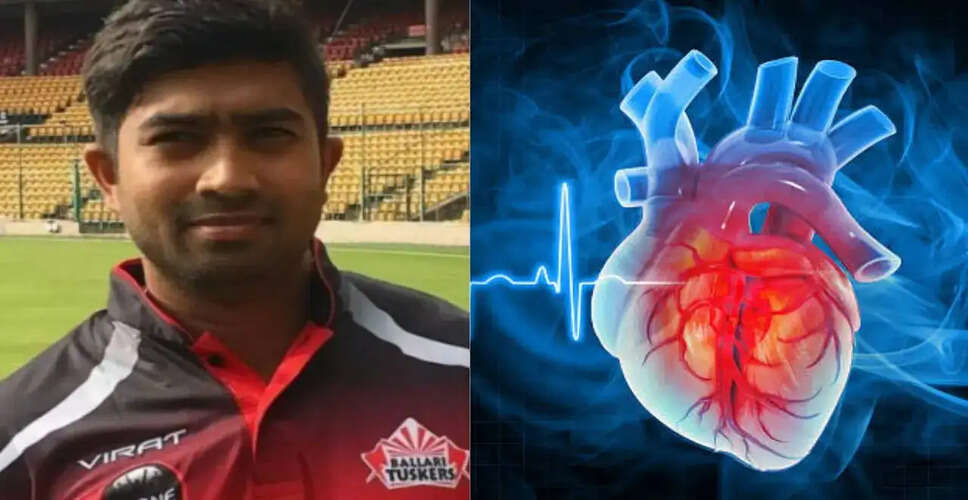
The unexpected passing of cricketer SL Akshay during a match in Bengaluru has sparked serious discussions about the alarming trend of heart attacks and sudden cardiac arrests among seemingly fit athletes. Akshay, a former fast bowler for Karnataka and part of the Ranji Trophy-winning team, reportedly felt unwell after bowling several overs in a local league game before collapsing. He was just 39 years old. Medical professionals emphasize that such occurrences underscore a crucial truth: being physically fit does not necessarily shield one from heart-related issues.
Why Do Fit Athletes Experience Heart Issues?
Experts indicate that athletes and those who are physically active might harbor hidden cardiovascular risks that can go unnoticed for years. They caution that various silent risk factors can exist even in those who are lean and disciplined:
- Undetected arterial plaque accumulation
- Genetic factors
- Abnormal cholesterol levels
- Unrecognized hypertension
- Inflammation
- Insulin resistance
- Heart rhythm abnormalities (arrhythmia)
- Overtraining stress
- Lack of sleep
These conditions often do not show symptoms until a significant cardiac event occurs.
Understanding Sudden Cardiac Arrest
Sudden cardiac arrest happens when the heart abruptly stops functioning properly due to an electrical issue. This differs from a heart attack, which is caused by blocked blood flow; cardiac arrest disrupts the heart's rhythm entirely. Without immediate CPR and defibrillation, death can occur within minutes. Medical professionals note that intense physical activity can sometimes provoke dangerous arrhythmias in those with underlying heart conditions.
Increased Cardiac Arrest Risk in Indians
Cardiologists suggest that Indians may be more prone to heart disease at an earlier age compared to other populations due to genetic and metabolic factors. Even those who are slim or athletic can develop visceral fat around organs, insulin resistance, elevated triglycerides, and early artery inflammation. Experts warn that many younger Indians are experiencing heart disease despite appearing healthy. Factors such as stress, irregular sleep patterns, long working hours, inadequate recovery, dehydration, and high-performance pressure can further burden the cardiovascular system.
The Silent Threat of Plaque Buildup
One significant concern highlighted by doctors is the silent accumulation of plaque within arteries. This plaque, composed of fat, cholesterol, calcium, and inflammatory substances, gradually narrows blood vessels. In athletes, symptoms may go unnoticed because their high fitness levels can temporarily mask reduced blood flow. However, during intense exercise, the increased demand on the heart can lead to plaque rupture or dangerous arrhythmias.
Warning Signs Athletes Should Not Ignore
Medical professionals advise that even highly fit individuals should seek medical attention if they experience:
- Chest pain
- Unexplained tiredness
- Shortness of breath
- Heart palpitations
- Dizziness
- Fainting spells
- Decreased exercise capacity
A family history of early heart disease or sudden death should also be taken seriously.
The Importance of Regular Health Screenings
Experts increasingly advocate for preventive cardiac screenings for athletes and highly active individuals, particularly after the age of 30. Recommended tests may include blood pressure checks, lipid profiles, ECGs, echocardiograms, stress tests, and coronary calcium scoring in specific cases. While exercise is crucial for overall heart health, the rising number of sudden cardiac fatalities among athletes emphasizes the need for a balance between fitness, proper medical evaluations, recovery, sleep, and cardiovascular screenings. The tragic loss of Akshay serves as a poignant reminder that heart disease can remain hidden even in the fittest individuals, and early detection may be the only safeguard against tragedy.